










































Social Media Handbook for Agricultural Development Practitioners
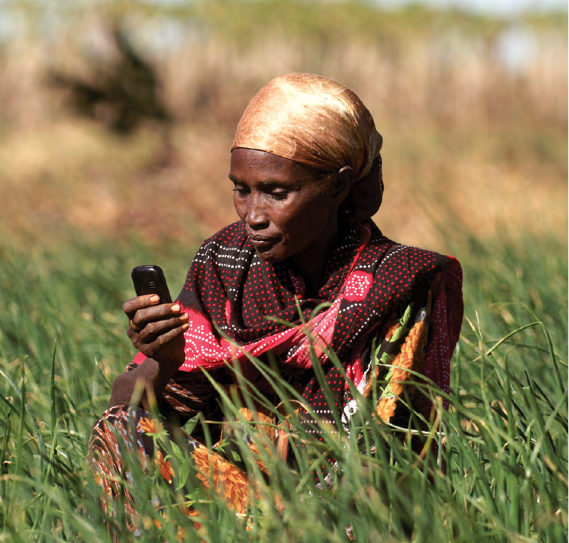
This interactive handbook is designed to help practitioners working in agricultural development to plan and use social media for agricultural communications efforts. As explained in the handbook, “for agricultural development practitioners, social media tools can expand the reach of your community, strengthen partner relationships, support programmatic initiatives, and provide a vital means to increase the visibility of your public profile and engagement.” The book is intended for agricultural practitioners of various skill levels, however, its content will also be relevant to a broader audience interested in learning more about some emerging trends in social media applications for international development.
For the purposes of the handbook, social media refers to internet-based tools for sharing and discussing information among people. These include but are not limited to:
- Social networking sites (e.g. Facebook, LinkedIn, Myspace)
- Video and photo sharing websites (e.g. Flickr, YouTube)
- Blogs and Microblogs (e.g. Twitter, Tumblr)
- Forums, discussion boards, and groups (e.g. Google Groups, Yahoo Groups)
- Wikis (e.g. Wikipedia)
- Video on demand and podcasts
- Video conferences and web conferences
- Email and instant messaging
- Socially integrated mobile text messaging
- Websites with social plugins and layers
The handbook makes the point that the publication "does not assume that social media will provide the most appropriate solution for disseminating agricultural information, as internet connectivity and accessibility is still limited in many part of the world. Rather, this handbook aims to anticipate increased availability as mobile and other technologies disperse to many developing contexts, especially sub-Saharan Africa. Our intention is that by reading the handbook and making use of its worksheets that you will be able develop a more systematic approach to using social media as one medium through which you share information with farmers, extension agents, and the public.”
The handbook is divided into four components:
Component 1 - The Global State of Social Media - focuses on providing an overview of the global state of play of social media, general considerations in the use and consumption of social media, including challenges organisations may face, and examples of some common social media applications.
Component 2 - Social Media for Development in Practice - explores current and potential applications of social media in agriculture and low-bandwidth environments. This includes several case studies of development initiatives from around the globe, including the USAID-funded FACET project.
Component 3 - Planning to Use Social Media in Your Project - is designed to help organisations determine whether and how to plan to use social media based on their project objectives, operating context, and human and material resource availability. It includes tools to help in the selection of appropriate social media platforms and channels, the development of activity and branding plans, launching the social media activity, and in the development and use activity checklists to monitor the progress of the activity.
Component 4 - How to Develop Content - guides organisations through the process of developing effective and compelling social media content. It includes tips for building a content marketing strategy, managing resources, improving content based on ongoing monitoring of effectiveness, and an explanation of different types of content and how they can be used to maximize impact.
The toolkit was developed by FHI360 for the United States Agency for International Development (USAID)’s Fostering Agriculture Competitiveness Employing Information Communication Technologies (FACET) project, which ran from 2009 - 2013 and provided technical assistance to strengthen competitiveness and trade in the agriculture sector across sub-Saharan Africa.
English
82
ICT4Ag website on March 27 2017.
- Log in to post comments