










































The SBCC Challenge
"...the question we must confront is will we seize the opportunity and use communication to alter the course of human history for the better or leave the power of communication only in the hands of those who sell cigarettes?"
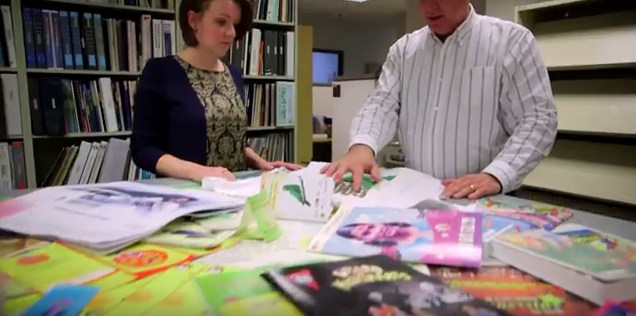
From the Health Communication Capacity Collaborative (HC3), this short video explores the challenge of social and behaviour change communication (SBCC). It begins by tracing the history of social marketing to advertising principles, using examples such as that of Lucky Strike cigarettes, which in 1929 were rebranded as "torches of freedom", with the act of smoking was redefined as "the ultimate symbol of women's liberation". The human condition is predicated on free will, but this does not mean that we always make good choices. Advertisers have long studied our tendency to make choices that we perceive to be in our best interest and design campaigns that sell products, influence consumer behaviour, and drive profits. In 1952, G.D. Wiebe asked the question, "why can't you sell brotherhood like you sell soap?" This idea launched a quest to apply advertising and marketing techniques to promote social change.
As explained here, SBCC harnesses the insights of applied behavioural and social sciences, incorporating the precision of marketing and the reach of mass media into the realm of personal interactions to help individuals adopt healthy behaviours, for instance. SBCC uses participatory approaches to motivate positive individual, community, and global change - as can be seen, for example, in campaigns in areas such as quitting smoking, the use of modern contraception, Bacillus Calmette-Guérin (BCG) vaccine coverage (to fight tuberculosis, or TB), and so on. According to the video, we have clear evidence of SBCC success, and we also have access to an expanding array of communication technologies; the challenge is to continue to explore the strategic use of communication in such a way to impact how people make (healthier) choices.
HC3 website, November 14 2016.
- Log in to post comments