










































Rapid Assessment of Behavioural Drivers and Barriers to COVID-19 and Routine Under 5 Vaccine Uptake within Faith Communities
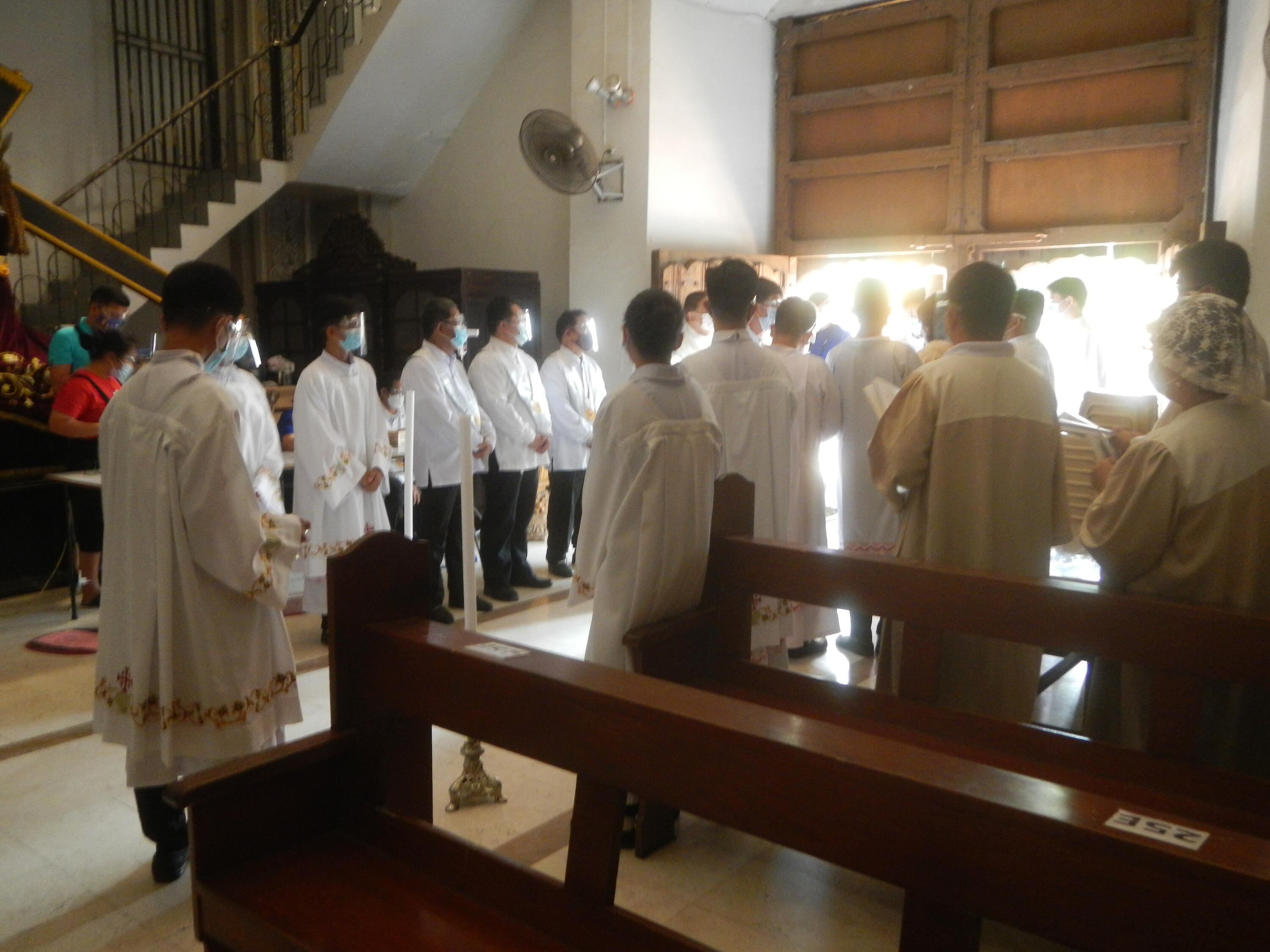
"[T]he study provides valuable insights into vaccine uptake dynamics within faith communities, suggesting nuanced approaches for effective vaccination strategies and emphasizing the need to address behavioral factors influenced by roles within religious groups."
This document presents findings from a study commissioned by the United Nations Children's Fund (UNICEF), conducted by Viamo, exploring the impact of COVID-19 on vaccine uptake within faith communities across 10 countries: Mali, Nigeria, Zambia, Kenya, Brazil, Guatemala, Iraq, Egypt, Pakistan, and Nepal. The objective was to understand behavioural drivers and barriers to immunisation, with a focus on designing faith-centred vaccine demand strategies.
The study used a mixed methodology involving both religious and general populations. Delivered by Viamo through interactive voice response (IVR) technology, the phone survey was implemented in the context of the Faith for Positive Change for Children, initiative which is a joint collaboration between UNICEF, Religions for Peace, and the Joint Learning Initiative on Faith and Local Communities (JLI). Religions for Peace facilitated the country- and regional-level engagement of religious communities in the survey process, while JLI supported the design, review, learning, and research components of this assessment. The survey introduction and the compilation of religions were tailored to align with the prevailing religions and languages predominantly spoken in each respective country.
Viamo supported Religions for Peace in building templates for mobilisation posters and other materials that contained essential information on the timing of the calls and how to answer the survey using IVR. This approach reportedly proved particularly effective in mobilising people through WhatsApp groups.
Data from survey responses was analysed in the following way:
- Country-by-country analysis: The analysis was broken down first in all respondents, to then analyse response distribution by age, gender, geographical location, religious affiliation, role within the religious community (religious role), and vaccination status of the respondents.
- Cross-country analysis: A second level of analysis corresponds to a review of selected questions across several countries. This step was done to assess the overall vaccination level of the survey respondents and to measure the reported role of religion over decisions related to vaccination (both for adults and children).
Selected findings include:
- In all countries, the majority of respondents received the COVID-19 vaccine, and in nine out of ten countries (with the exception of Iraq), the vaccinated respondents represented between 67% and 96% of respondents, a clear majority of the population.
- In seven out of ten countries, the majority of respondents believed that it was very important for their child to receive regular vaccinations (except with Iraq, Guatemala, and Pakistan respondents), with two countries having the highest percentage around 75%.
- Religion holds a certain level of influence over COVID-19 vaccination decisions, particularly in specific countries and social contexts. When analysing the percentage of respondents who said their decision to receive a vaccine was influenced by the religious leader's opinion of COVID-19 vaccine, Kenya, Mali, Nigeria, and Zambia show larger percentages than the rest of the countries, with their percentage all close to 60% of respondents.
- Disparities in vaccine acceptance are evident based on religious affiliation and roles within faith communities. When considering the respondents' religious affiliation, no consistent trend emerged. For example, when looking at the reasons for not receiving the vaccination, more respondents among Muslim communities believe that God will protect them in Kenya and Iraq, while in Guatemala more respondents among Muslim communities feel that COVID-19 is not a serious illness. This finding is in line with the widely accepted point in religious studies that religions are contextually embedded, and there are wide variations not just from country to country but town to town and village to village.
- In general, the role within the faith community strongly influences opinions, with greater influence observed as respondents are more actively involved in their religious community. When designing interventions for vaccine uptake, consider respondents' active involvement in their faith community, rather than just the overall religiosity level. A more targeted approach is recommended.
Implementation challenges of the study included, for example, difficulties in obtaining clearances, modifications in sampling, and engagement issues, especially in countries without local Viamo presence. Recommendations include clarifying clearance timelines, refining sampling strategies, sensitising respondents to unfamiliar survey methods, and improving collaboration and infrastructure planning for smoother project execution.
In conclusion: "While not the dominating factor of influence over adult and child vaccination decisions (when compared to other factors such as family, peers or health workers), religion does seem to hold a certain level of influence....These findings provide insights for targeted vaccination strategies and communication efforts."
UNICEF website, August 14 2024. Image credit: JFVelasquez Floro via Wikimedia Commons (CC0 1.0)
- Log in to post comments