










































Perceptions of the COVID-19 Vaccine and Other Adult Vaccinations in Malawi: A Qualitative Assessment
Johns Hopkins Bloomberg School of Public Health (Tibbels, Figueroa); Johns Hopkins Center for Communication Programs-Malawi (Kaseghe, Chisambi, Ndovi, Mang'ando)
"The findings contribute information about how individuals conceptualize and make decisions about adult vaccination, which can, in turn, inform strategies to integrate COVID-19 promotion and delivery with other disease responses in Malawi as well as routine health services in similar settings."
In Malawi, various brands of the COVID-19 vaccine have been offered to the population, but factors including fear of side effects or other risks, uncertainty about benefits, and misinformation created hesitancy toward them. Further complicating matters, Malawi faced a twindemic: a cholera outbreak beginning in March 2022 while health and economic systems already strained by the COVID-19 pandemic were reaching a breaking point. This paper shares the results of research to explore vaccine confidence and access in Malawi and to investigate people's views of COVID-19 vaccines compared to other vaccines they regularly received, including oral cholera vaccine (OCV).
The Breakthrough ACTION COVID-19 Vaccine project in Malawi was a 2-year project (April 2021–June 2023) funded by the United States Agency for International Development (USAID) and led by the Johns Hopkins University Center for Communication Programs in partnership with Save the Children Malawi. The Breakthrough ACTION team worked with Health Education Services, a department within the Ministry of Health (MOH), to develop a variety of communication products for mass media and social media and implemented community engagement activities to create demand for COVID-19 vaccines.
As part of the larger project and in consultation with the MOH, the Breakthrough ACTION team used qualitative methods to explore individual COVID-19 vaccine perceptions, the social context, and perceived norms around COVID-19 vaccination in 4 districts with COVID-19 vaccine coverage levels ranging from 1% to 11%. The August 2022 assessment comprised 16 in-depth interviews (IDIs) with health workers and community gatekeepers (e.g., chiefs, village heads, or their representatives) and 27 focus group discussions (FGDs) with unvaccinated and vaccinated men and women, social workers, and individuals with comorbidities, such as diabetes or hypertension. There were 224 participants total (47% female).
A thematic analysis identified themes related to 3 research questions on COVID-19 vaccine concerns, confidence, and delivery affecting uptake:
- How worried are people about COVID-19 relative to other health threats like cholera, and why? Compared to COVID-19, there was higher fear of cholera, with high perceived susceptibility and severity. Supported by widespread awareness-raising activities, these fears appeared to motivate people to show up for OCV. COVID-19 risk perception tended to be lower among unvaccinated groups, with many describing COVID-19 as equivalent to a cold.
- How confident are people about COVID-19 vaccines relative to other vaccinations with which they might be bundled for promotion and delivery? What factors influence vaccine confidence? Vaccinated and unvaccinated groups did not substantially differ in their understanding of why the COVID-19 vaccines are important. When vaccinated participants were asked why people received other vaccines but not those for COVID-19, they speculated that it had to do with rumours and misinformation, such as the idea that the vaccines were sent to depopulate African countries. Participants rated the COVID-19 vaccines unfavourably against other vaccines, such as OCV and oral polio vaccine. Other vaccines were perceived to have lighter side effects, be easier to deliver (by mouth rather than injection), and be both necessary and more established (not newly developed). Although, in general, participants trusted health workers, some raised questions about the motives and COVID-19 vaccine confidence of health workers. Community members described health workers quietly expressing negativity and distrust about the vaccines. Encouragement from health workers to vaccinate that was perceived to be sincere, an understanding of the benefits of the vaccines, and convenient access to COVID-19 vaccines in one's home or while accessing other health services contributed to vaccine confidence.
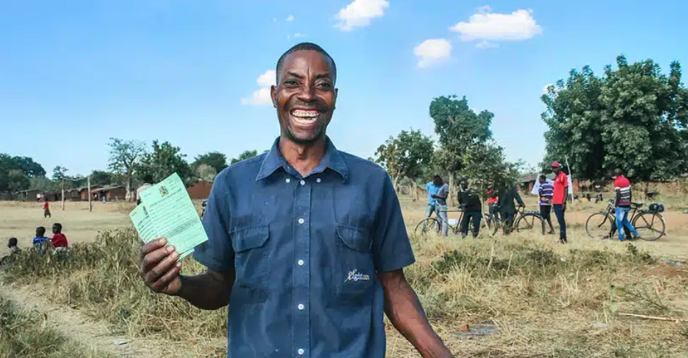
- What aspects of the specialised COVID-19 vaccine delivery helped or hurt vaccine uptake that could inform a successful integrated approach? Two topics emerged regarding COVID-19 vaccine-specific strategies that were likely detrimental to uptake. First, members of the general population in FGDs expressed that vaccine promoters, health leaders, and national leaders emphasised that the COVID-19 vaccines were optional and a personal choice each person should make. Participants had the impression that health workers or leaders did not think the vaccine was important because otherwise, they would have described it as something everyone should do to protect the community, which was standard for other vaccines. A second issue FGD participants raised was the COVID-19 vaccination card. Having a separate card rather than including COVID-19 vaccination in existing vaccine records or health passports/books related to the Essential Programme on Immunization concerned people. In short, people felt it would have been beneficial to offer COVID-19 vaccines in the course of routine health services and without distinguishing it with special strategies.
Thus, consistent with other research, the findings show that there were multiple reasons for vaccine hesitancy that could be case and content specific. Rumours and conspiracy theories that flooded social media about the alleged dangers of the COVID-19 vaccines combined with its elective nature created doubts and vaccine hesitancy, as vaccine fears outweighed the low perceived risk for the disease. The unavoidable shifts in messaging as different vaccine brands and boosters were authorised were hard for people to understand.
For future emergencies, the results of this study "imply that people will be more responsive to public health directives if these are consistent with standards of practice known to people in those contexts, are clarified when they deviate from such standards, are consistently reinforced by policymakers and influencers, and have mechanisms in place to expeditiously clarify misinformation and to keep health providers well informed on the nuances of emerging information."
By April 2023, more targeted campaign efforts helped increase COVID-19 vaccination rates in Malawi to 28%. Specifically, in February 2023, the government of Malawi launched the End Cholera Campaign to deliver a package of integrated health interventions. To this end, the government began to integrate cholera and COVID-19 responses with combined district-led campaigns, where COVID-19 vaccines were offered at the same time as oral rehydration salts, chlorine tablets, and education on cholera prevention.
In that vein, based on the results of this study, the researchers recommend that, globally, health authorities should cascade training and messaging strategies that avoid emphasising personal choice or highlighting COVID-19 as a separate type of threat but, rather, frame COVID-19 vaccination as similar to other routine vaccinations and a necessary measure for the public good.
Global Health: Science and Practice, December 2023, https://doi.org/10.9745/GHSP-D-23-00146. Image credit: Lusayo Banda/Breakthrough ACTION