










































Behavioral Barriers and Facilitators Affecting Polio and COVID-19: Findings of Rapid Assessment from Selected Districts and Communities in Ghana
United Nations Children's Fund (UNICEF) Ghana (Nurzhynska, Nikoi); Communication for Development (C4D) consultant (Abebe)
"Health workers, religious leaders, and CSOs [civil society organisations] play an important role in convincing refusals and engaging and mobilising community members."
From July 2019 to November 2020, 31 circulating vaccine-derived polio virus type 2 (cVDPV2) cases were confirmed in 10 regions of Ghana. In response, the Ministry of Health (MOH) declared a public health emergency of national concern, and different rounds of oral polio vaccine (OPV) campaigns were conducted. Though the massive campaign involved knocking on the doors of individual caregivers, issues of missed children and refusals related social determinants and behaviours posed challenges to the response, which was also complicated by the COVID-19 pandemic. This report from the United Nations Children's Fund (UNICEF) details the results of focus group discussions (FGDs) conducted in November and December 2020 by four civil society organisations (CSOs) that are supporting social mobilisation and community engagement for the polio maintenance phase of the response.
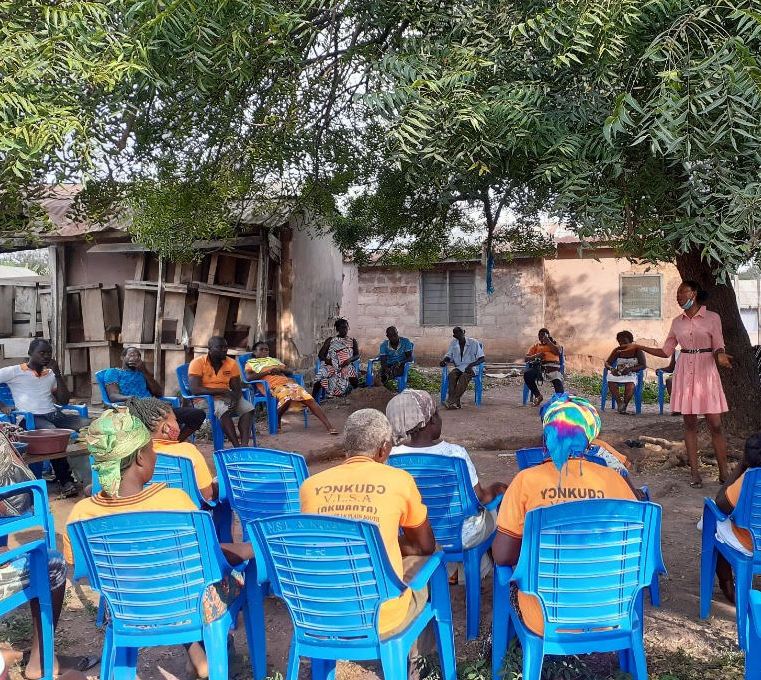
Each of the four CSOs - Behasun Integrated Development Organization (BIDO), Rural Initiatives for Self-Empowerment (RISE)-Ghana, Theatre for Social Change - TfSC, and Dawah Academy - conducted three FGDs among mothers of under five (U5)-year-old children, fathers of U5-year-old children, and religious leaders. Findings are described by theme and illustrated through figures in the document.
A few selected results follow:
- With regard to polio, some reasons for refusal of OPV include: lack of enough information and explanations on the benefits of vaccination, poor communication on side effects/reactions, refusal on the part of mothers-in-law and other influential family members to allow mothers to accept immunisation, fear of other implications/negative consequences, rumours indicating that the vaccine causes paralysis, the belief vaccinators are not qualified and not from the same community, and inadequate publicity about polio vaccination. To deal with such issues, participants suggested making regular announcements, conducting house-to-house education, reassuring families about the safety of the vaccine and that the increase in body temperature and diarrhoea may be temporary, encouraging fathers to support mothers during the vaccination period, engaging family and community members who make the decision, deploying skilled and disciplined health workers, and drawing on religious and influential people for message dissemination.
- With regard to COVID-19, the majority of participants don't believe COVID-19 exists and further justify this belief by pointing to the fact that nobody in the community has ever had the disease. Others fear stigma or said: the disease has been politicised, COVID-19 does not kill the black race, the virus does not like hot temperatures, children may contract COVID-19 if they are taken to the clinic for immunisation, using public hand washing facilities could spread COVID-19, and/or it is a curse from God to the white people.
In conclusion: "The majority of participants are aware of polio and COVID-19. However, there exist gaps in knowledge of preventive measures of polio and adherence to COVID-19 protocols....Potential barriers and opportunities identified in the assessment may serve as input in designing COVID-19 communication strategies and activities, as the country is preparing for the COVAX rollout."
Emails from Anastasiya Nurzhynska to The Communication Initiative on January 28 2021 and February 2 2021. Image credit: TfSC
- Log in to post comments