










































New Technology and the Prevention of Violence and Conflict
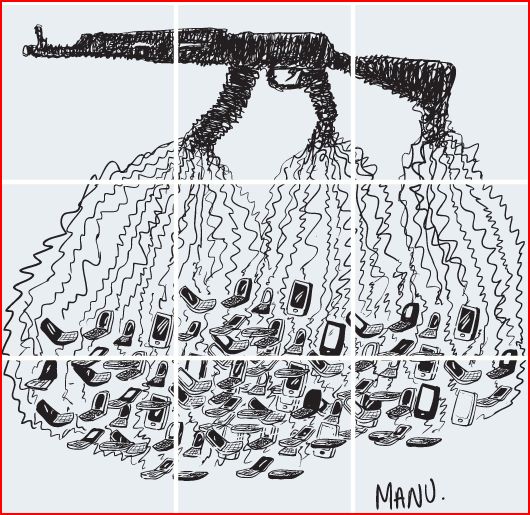
This report explores the ways in which information and communication technologies (ICTs) and the data they generate can assist international actors, governments, and civil society organisations (CSOs) to more effectively prevent violence and conflict. It shares insights from a joint research initiative that explored how forms of communication, information gathering, information sharing, and information analysis over the internet (e.g., social media, information mapping, and geographic information system (GIS) mapping), mobile phone applications, and text messaging can be utilised in the service of conflict prevention. It emerges from a collaboration between the International Peace Institute (IPI) together with the United Nations Development Programme (UNDP) and the United States Agency for International Development (USAID), which hosted an interactive discussion, video presentation, and launch of a 5-case study report on the role of new technologies in the prevention of violent conflict in April 2013. (Click here to view the event video on UStream).
Specifically, the report examines the contributions that cell phones, social media, crowdsourcing, crisis mapping, blogging, and big data analytics can make to short-term efforts to forestall crises and to long-term initiatives to address the root causes of violence. Five case studies assess the use of such tools in a variety of regions (Africa, Asia, and Latin America) experiencing different types of violence (criminal violence, election-related violence, armed conflict, and short-term crisis) in different political contexts (restrictive and collaborative governments).
The cases demonstrate that employing new technologies for conflict prevention can produce very different results depending on the context in which they are applied and whether or not those using the technology take that context into account. "As such, instead of focusing on supply-driven technical fixes, those undertaking prevention initiatives should let the context inform what kind of technology is needed and what kind of approach will work best. With this in mind, lessons and insights from across the cases point to seven promising steps for strengthening prevention efforts that involve new technologies.
- Even if you crowdsource your hammer, not every problem is a nail. New technologies have the potential to make huge contributions to violence- and conflict-prevention efforts, but they are not a panacea for holistic solutions. International organizations and governments should examine all the tools at their disposal for preventing conflict, and civil society organizations should not be blinkered by their particular thematic focus.
- Consider the context. The cases show that socioeconomic, cultural, and demographic factors will all influence whether technology can have a positive impact, which technology would be appropriate, and how technologies could or should be combined. International organizations and governments should make needs assessments and feasibility studies that address these factors standard practice. Civil society organizations should also include such needs assessments or conflict and peace assessments in their proposals when seeking funding from donors.
- Do no harm. Failure to consider the possible knock-on effects of applying a specific technology can lead to fatal outcomes in violent settings. Spoilers also leverage new technologies to incite violence, promote conflict, and perpetrate crimes. As such, a conflict-sensitive approach remains vital from conception to completion of any initiative involving new technologies. As part of project design and implementation, every actor should identify possible spoilers, conduct a cost-benefit analysis that incorporates levels of risk, develop mechanisms to mitigate risks, and create contingency plans.
- Integrate local input throughout, and don't reinvent the wheel. Examples abound where an absence of local input meant there was a lack of buy-in from the affected communities, project financing was unsustainable, the credibility of the information collected was questionable, or there was duplication of work. Once a project is underway, continual consultation with and involvement of the affected community is vital. In general, the application of new technological tools to prevention efforts at the local level works best when integrated into existing civil society initiatives.
- Use technology to help information flow horizontally more than vertically. Horizontal citizen-to-citizen ICT initiatives can help to connect more 'warners' and 'responders' more quickly and closer to the crisis. They can also contribute to communities’ resilience in the long term. International organizations should consider supporting spontaneous micro-initiatives in this area, provide funding to develop local capacity, improve connectivity between different initiatives, and help the sharing of best practices. Civil society organizations should identify and reward skilled individuals and groups in local communities who can adopt new technologies for preventing violence and conflict.
- Establish consensus regarding ownership, use, and sharing of information. New technologies make it possible for international organizations and government agencies to acquire more information and more granular information to inform prevention efforts. International organizations, governments, and civil society actors should establish consensus around questions of privacy, access, and use of digital data in any given initiative. This will make prevention efforts more legitimate in the eyes of the affected communities, and ultimately more effective.
- Foster partnerships for better results. There are indications that prevention initiatives that drew on the complementary strengths of international donors, governments, the private sector, and civil society proved more effective. International organizations and governments are well placed to foster such partnerships and should invest in doing so for more promising results."
In conclusion, the report notes that "the empowerment of individuals to participate in conflict-prevention initiatives in their own communities and societies may be one of the most significant innovations created by advances in technology. This is particularly true when it comes to bridging the persistent gulf between warning and response. Much more research is needed to assess how ICT can be used to generate action at the local level, as well as to inform or warn."
In the long run, according to the report, "the most effective approach to using new technologies for conflict prevention may well be the one needed in prevention more broadly: one that successfully balances both grassroots, decentralized efforts and the more rationalized and coordinated activities of governments and international organizations."