










































Women in Post Conflict Situations (WIPCS) Radio Project
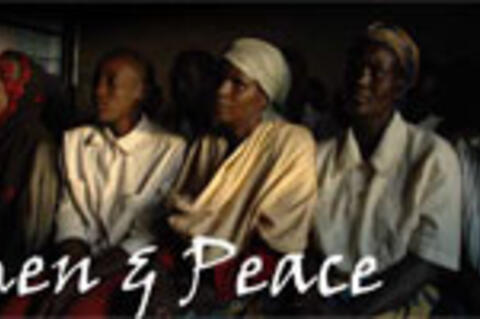
According to ADRA, the programme was designed with a regional approach due to the vast similarity of experiences that women in post-conflict situations share in Burundi, Eastern DRC, and Rwanda. In each country, a locally focused radio programme was produced. In order to share these stories of survival and to share the experiences of women who have overcome this trauma, 16 listeners' committees were established to identify and collect stories for use in the productions, and to contribute programme ideas and suggestions. The committees were assisted by over 300 community groups who were both major beneficiaries of the programme and also contributors.
The organisers state that, in Burundi, decades of political conflict and civil war have contributed to an unstable environment that has allowed sexual violence and other types of violence against women. According to the project website, there is little motivation for women to report cases of sexual violence, as they are required to provide evidence of force, and the punishments are often very light. The organers hoped that, through the radio programmes produced by the WIPCS project, women would have the opportunity to express their concerns and to search for meaningful solutions to their problems through the forum that the radio programmes provided.
According to ADRA, in Rwanda, radio has great potential to help bring peace and reconciliation. In that country, the programme was designed especially for women from Nyagatare and Kibuye regions. ADRA asserts that, in Rwanda today, great strides have been made regarding the status of women in government and society, and women have been empowered to play a key role in peace and reconciliation. The WIPCS project was designed to provide them with the opportunity to express their views and to search for solutions to the challenges they still face by providing a forum for women to connect with resources that could help them better deal with their problems.
In the DRC, many women are subject to violence and are often discouraged by their husbands to talk about their suffering. Due to this situation, psychological trauma is not treated. In addition, organisers state that there was previously no platform for women affected by violence to talk about their trauma. The WIPCS project was designed to use the radio programmes to provide a forum for women to address issues of sexual violence and peace and reconciliation.
Click here to download the radio episodes from each country from the WIPCS website.
Women, Conflict
According to the baseline research survey, which informed the development of the programme, women perceive domestic and sexual violence to be serious problems in society. First, women in Rwanda were raped and brutalised on a massive scale during the 1994 genocide that claimed around 800,000 people. Second, since 1998, 5.4 million people have died of conflict-related causes in the DRC. About 45,000 people continue to die each month, as the fighting continues to flare up in eastern DRC.
DANIDA
WIPCS website, February 20 2009; ADRA website, February 24 2010; and emails from Bakundukize Fabien and Charles Ntiryica to The Communication Initiative on June 16 2010.
Comments

In order to share these
In order to share these stories of survival, and to share the experiences of women who have overcome this trauma, sixteen listener committees will be established to identify and collect stories which can be used in the productions, as well as contribute program ideas and suggestions. They will be further assisted by over 300 community groups who will be both major beneficiaries of the program and also contributors.
- Log in to post comments