










































Time to read
less than1 minute
How to Produce a Radio Soap for Conflict Prevention/Resolution
Image
SummaryText
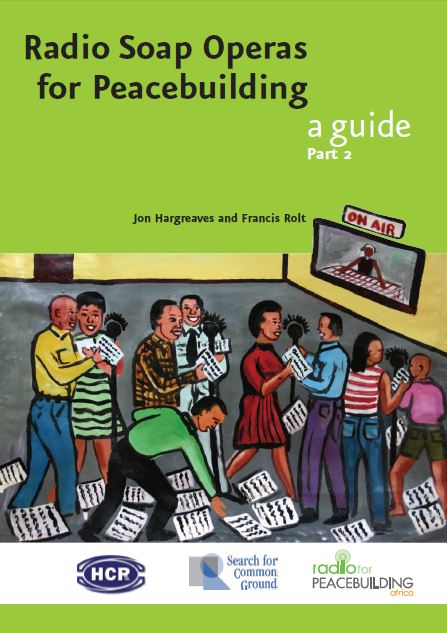
This manual, based on the experiences of the non-profit organisation Search for Common Ground (SFCG), describes the steps involved to produce a radio soap that tackles violent conflict in a positive way and is designed to reduce tensions. According to the writer, much of what is written in the manual is the result of trial and error, of testing an idea in real situations.
This manual is divided into two parts:
I. A Project Manager’s Manual -an introduction to and discussion of the practicalities (basic issues such as preparation, budgets, contracts and production) of creating a radio soap.
II. Training -a practical manual designed for the trainer and the scriptwriters of the soap for conflict prevention/resolution. Produced by SFCG in collaboration with Health Communication Resources, Perth, Australia.
Topics include:
This manual is divided into two parts:
I. A Project Manager’s Manual -an introduction to and discussion of the practicalities (basic issues such as preparation, budgets, contracts and production) of creating a radio soap.
II. Training -a practical manual designed for the trainer and the scriptwriters of the soap for conflict prevention/resolution. Produced by SFCG in collaboration with Health Communication Resources, Perth, Australia.
Topics include:
- radio and the Common Ground experience;
- how does a radio soap for conflict prevention/resolution differ from any other soap?;
- what to expect/not to expect from a radio soap;
- content development;
- concept document and intended outcomes (or 'curriculum');
- choosing a recording studio;
- theme tune, musical bridges and soundeffects; and
- choosing the best broadcast time (scheduling).
Languages
English and French
Number of Pages
58
Source
Radio Peace Africa website, October 19 2005
PDFLink
- Log in to post comments