










































Youth-Led Research: Listening and Learning Toolkit
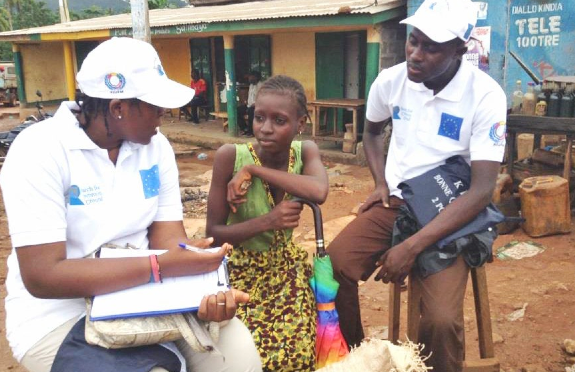
This toolkit offers an introduction to the Listening and Learning (L&L) methodology - a youth-led research methodology which is based on conversations to capture individual perspectives and experiences. The toolkit identifies the key considerations for a successful process, and includes guidance on best practice for implementing this research method. It was created by Search for Common Ground’s Children and Youth Division and the West Africa research team, and is based on the organisation’s experience in conducting youth-led research projects which put the power of research, design, and advocacy in the hands of young people.
As explained in the guide, “[G]rounded in principles of Participatory Action Research (PAR), L&L shifts the act of gathering information from a one-sided interview where only subjects share intimate and private information, to an exchange of experiences where the researchers themselves participate in the sharing of personal views, experiences, and emotions in a non-adversarial manner. By allowing vulnerability to be mutual, this two-sided participatory dialogue alters power dynamics and induces a more sincere and fruitful conversation. The basis of this approach is something everyone does on a daily basis - have conversations.” The L&L method is easily adaptable to local contexts, especially in cultures with a deep oral tradition, and it also empowers young people to lead a process, develop ownership of it, and adapt it to other projects and contexts.
Following an introduction which offers a detailed explaination of the methodolgy and its benefits, the toolkit takes the reader through the four phases in the Listening & Learning methodology:
Phase 1 - Laying the Groundwork
- Pre-Project Preparation
- Setting your Goals and Objectives
- Local Partnership Building
- Team Selection
- Desk Research
Phase 2 - Listening and Learning Orientation
- Team Building
- L&L Training
- Logistical Planning
Phase 3 - Conducting Listening and Learning
- Applying the Methodology
- Being Culturally Aware
- Collecting Data
Analyzing Results
- Daily Debrief
- Data Analysis by Region
- Preliminary Findings Presentation by Region
- Determining Themes and Key Findings at the National Level
- Preliminary Presentation of Overall Findings
Phase 4 - Wrapping Up
- Writing the Report
- Outputs
English
37
SFCG website on May 31 2017.
Comments

Youth-Led research
Thank you for including this toolkit. This is a living document and welcome the opportunity to improve on it with your feedback.
I hope this toolkit is useful to you in advancing our collective investment in youth and their ability to lead rigorous inquiry processes.
Sincerely
Saji Prelis
- Log in to post comments