










































Project ABC: The Impact of CRS' Adult Education and ABC Program on Education, Agriculture and Migration
Tufts University (Aker); Oxford University Ksoll)
This 20-page report provides the results of an evaluation of both Catholic Relief Services' (CRS) adult education programme and a mobile phone-based adult education pilot programme (Project Alphabetisation de Base par Cellulaire or Project ABC) in Niger. The project gave adult participants traditional literacy and math classes, and in the case of the ABC project also basic mobile phone skills in the Dosso and Zinder regions of Niger. Implemented over two years in 140 villages, the project evaluation found that adult education classes can have a significant impact upon adults’ learning outcomes, migration, and agricultural production. Overall, adult literacy participants achieved a first grade writing level and a second grade math level after eight months of classes. Those in ABC villages learned even more quickly, with writing and math test scores that were 9 to 20% higher than those in regular literacy villages.
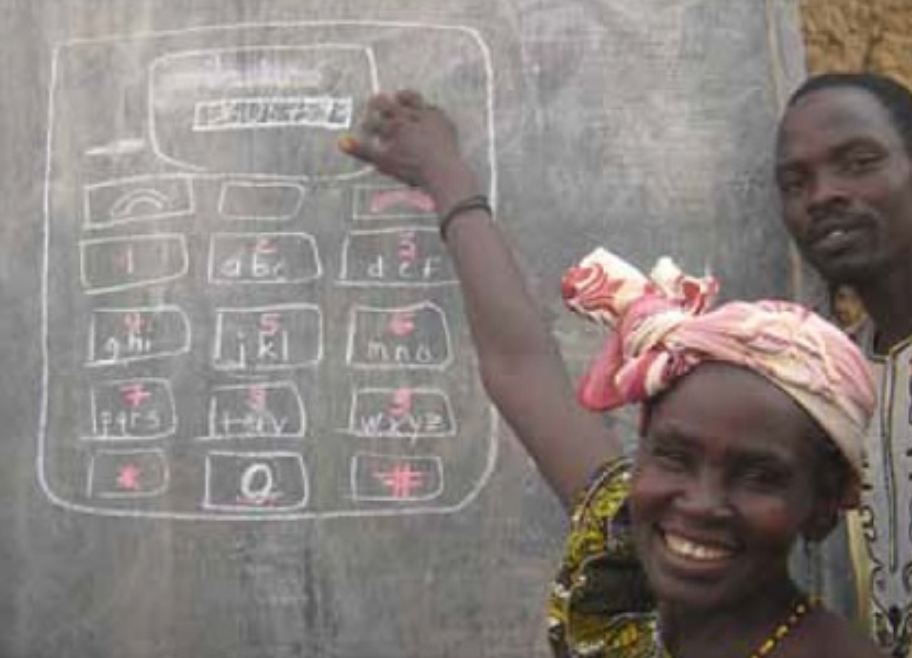
Project ABC was implemented as a two- year pilot programme that was integrated into CRS' literacy activities, funded and evaluated by university partners (Tufts University, Oxford University, and University of California-Berkeley). Project ABC taught participants how to use mobile phones as part of the normal literacy class; provided participants with mobile phones, whereby a group of five students shared one mobile phone that they were responsible for; and facilitated groups’ access to market information via mobile phones. Both ABC and non-ABC villages used the same literacy and numeracy curriculum to teach student functional literacy and numeracy. The ABC curriculum was a mobile phone-based adult education curriculum that was directly integrated into CRS’ adult education activities. Three months into the adult education classes, a mobile phone skills module was introduced into the curriculum for ABC villages.
The evaluation found that students in ABC villages achieved additional literacy and numeracy gains. The programme had longer-term impacts as well: 7 months after the end of classes, writing and math test scores were still higher in ABC villages. The differences in ABC and non-ABC outcomes show that mobile phones are effective as a motivational and educational tool for adult education for rural populations. Given the higher scores for ABC students both in the short and medium term, mobile phones seem to be a simple, low cost method to improve adult education outcomes in rural Niger. Since any simple mobile phone can be used and special applications or smart phones are not required, the project is easily scalable and replicable in other countries or regions of Niger. However, selected intervention areas must have mobile phone service and reasonable voice and SMS prices.
The evaluation also found that participating in an adult education class can have other impacts on people’s lives other than on test scores. Improved education can allow households to better access agriculture, price, health, and migration information, and to make better choices and improve their income sources and revenues from agricultural marketing. The report states that adult education programmes could have an impact upon households’ well-being by enabling them to obtain access to planting and price information, use this information to decide what to plant, produce and sell and possibly have an impact upon households’ incomes. However, it is also noted that the adult education programme on its own did not have a strong effect on agricultural production, though the ABC programme appeared to increase the diversity of crops grown by households in the Dosso and Zinder regions.
The evaluation report concludes that overall CRS’ adult education programme was successful in improving students’ human capital, allowing students to achieve a first-grade writing level and second-grade math level after eight months of courses. The ABC programme also led to additional benefits in other areas, namely, seasonal migration, agricultural production, and marketing.
Project ABC improved human capital through literacy and mobile phone trainings which increase access to information and help programme participants continue to better retain skills after classes are finished. This pilot project helped underline specific features that were successful and that may need to change in order to implement a larger project, especially as pertains to teacher qualities.
Catholic Relief Services website on December 20 2013.
- Log in to post comments