











































Maternal Vaccination in Uganda: Exploring Pregnant Women, Community Leaders and Healthcare Workers' Perceptions
Medical Research Council/Uganda Virus Research Institute and London School of Hygiene and Tropical Medicine (LSHTM) Uganda Research Unit (Nalubega, Atuhaire, Zalwango, Seeley, Le Doare); LHSTM (Karafillakis, Akite, Chantler, Seeley); St. George's, University of London (Cochet, Le Doare)
"...the need for increased communication and engagement strategies around maternal vaccination [in Uganda]..."
The World Health Organization (WHO) and others have recognised the importance of contextualised and tailored delivery of vaccination programmes to identify possible concerns that could undermine confidence in vaccines. In light of the limited evidence on factors that may influence pregnant women's acceptance and refusal of maternal vaccination in Uganda, this study investigated maternal-vaccination-related perceptions on the part of pregnant women, community leaders, healthcare workers (HCWs), and programme managers.
The researchers conducted focus group discussions, key informant interviews, and in-depth discussions with HCWs (3), community leaders (3), pregnant women (8), and programme managers (10) between November 2019 and October 2020.
The following three key themes were identified during analysis:
- Awareness of maternal vaccines - While some HCWs, programme managers, and pregnant women demonstrated an awareness of available maternal vaccines (tetanus toxoid/tetanus diphtheria), there was confusion among a few community leaders and most pregnant women over what constitutes a vaccine.
- Facilitators and deterrents of maternal vaccination - Pregnant women may not receive vaccines because of: rumours and conspiracy theories/mistrust of government, use of expired vaccines, reliance on traditional medicine, religious beliefs, safety concerns/fear of side effects, HCW attitudes, and/or logistical issues. The key facilitators of maternal vaccination were a desire to prevent diseases, positive influences from HCWs, and information about vaccine side effects.
- The role of the community in decision-making: Community leaders and some pregnant women highlighted that pregnant women do not make decisions about maternal vaccination independently and are influenced by different individuals, including other pregnant women, older people, partners, relatives (parents), community leaders, HCWs, and the government. For example, community leaders said that in some homes, the patriarchal structure of most families means that some women are not allowed to make decisions about vaccination before consulting their husbands. However, some pregnant women believed they were the ones responsible for making their own decisions about vaccination.
Selected action points that emerge based on the findings:
- Considering that trust in the intentions of global health bodies and governments in recommending vaccination is critical for uptake of maternal (and other) vaccines, sustained dialogue with communities can help tackle the increase in antivaccination movements in Uganda and internationally and can improve vaccine confidence.
- Considering that HCW attitudes are reported to hinder pregnant women from receiving antenatal care, it is important to consider the nature of HCW training and their messaging on vaccination to ensure that high antenatal vaccination coverage is maintained.
- Considering the influence of partners and religious groups (e.g., those that do not encourage their followers to engage in vaccination services), co-creation of public health materials can help ensure that the messaging addresses entire communities and is relevant to all those making decisions about vaccination during pregnancy.
In conclusion: "The findings from this study can inform policy makers, policy analysts and vaccination programme managers to support the design of appropriate maternal vaccination programmes and public health campaigns, taking into consideration the role of the different influencers that play a key role in decision-making."
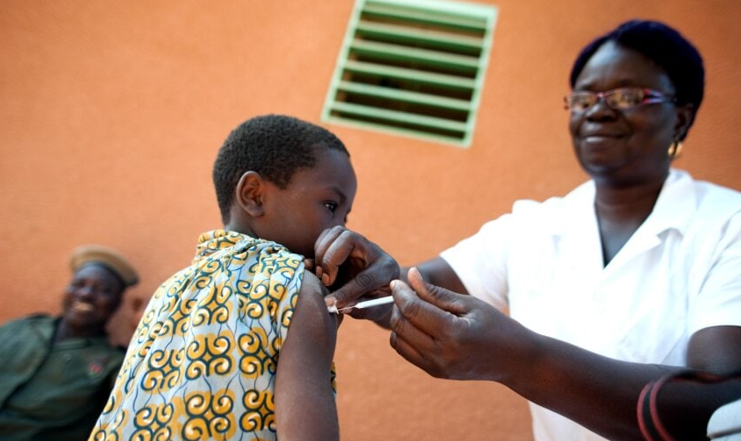
Vaccines 2021, 9(6), 552; https://doi.org/10.3390/vaccines9060552. Image caption/credit: "Pregnant woman and mother receive health education" - Arne Hoel / World Bank via Flickr (CC BY-NC-ND 2.0)
- Log in to post comments