










































Male Engagement in HIV Response - A Platform of Action
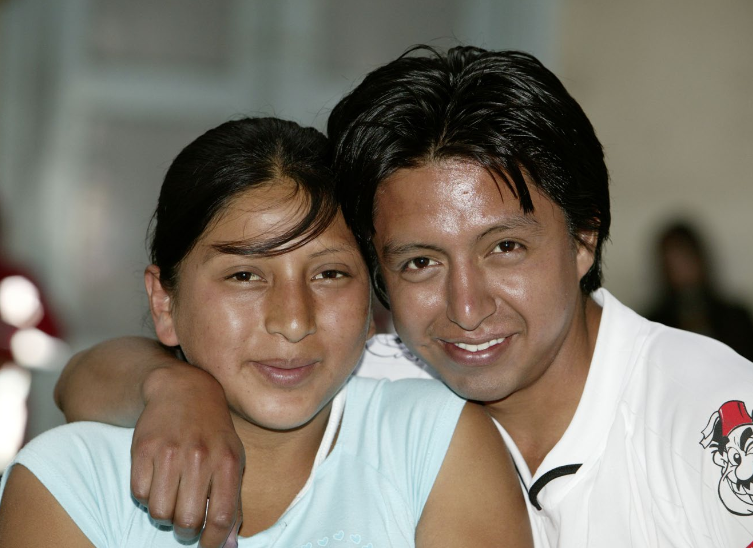
"Gender equality and gender-sensitive approaches must be integral parts of the policies and actions that drive the HIV response."
This Joint United Nations Programme on HIV/AIDS (UNAIDS) meeting report highlights gender inequalities and harmful gender norms as important drivers of the HIV epidemic and major hindrances to an effective HIV response. While access to HIV services for women and girls remain a concern, a growing body of evidence also shows that men and adolescent boys have limited access to HIV services. There is an urgent need, UNAIDS explains, to reach men and adolescent boys with evidence-informed HIV prevention, voluntary testing and counselling, and treatment and care services that are informed by age-, sex-, and geographically-disaggregated data. However, that outreach cannot be achieved in isolation from the ongoing efforts to advance gender equality and change harmful gender norms, including eliminating gender-based violence.
In order to respond to these challenges, UNAIDS, Sonke Gender Justice, and the International Planned Parenthood Federation (IPPF) convened a high-level meeting called the Rights, Roles and Responsibilities of Men in Fast-Tracking the end of AIDS, December 10-11 2015 in Geneva, Switzerland. The meeting reviewed the latest evidence on the HIV epidemic among men and adolescent boys, their access to and use of HIV services, the responsiveness of health systems to their needs, and the role of harmful gender norms in driving the HIV epidemic among men, women, and adolescent boys and girls. It also examined promising approaches for challenging harmful gender norms that heighten HIV risks among men and women, and discussed best practices that can enhance access to and use of HIV and other health services among men.
During the meeting, a drafting group, comprised of representatives of Sonke Gender Justice, IPPF, Promundo, and UNAIDS, was convened to summarise the key areas for joint action, as agreed by the meeting participants. A four-point Platform for Action to Fast-Track the end of the AIDS epidemic by 2030 was articulated and is outlined in this report. In sum:
- Generate and use evidence for decision-making at the local level: Collect, analyse, and disseminate HIV data of greater detail - in ways that respect and protect the confidentiality and safety of individuals - and disaggregate those data. This should include data that enhance understanding of available services and messages, of which men and adolescent boys are not using existing services, and of the reasons for that. Also recommended: Conduct analyses to understand how gender relations and other dynamics of power shape HIV risk and affect access to (and use of) health services for men, women, and adolescent boys and girls in all their diversity, including among key populations.
- Expand access to and use of people-centred health services for men and adolescent boys, and strengthen community-led responses: This entails building on what works and engaging existing networks and civil society groups. Another focus should be on removing identified barriers, making services more attractive and responsive to the needs of men and adolescent boys in all their diversity, expanding those services, and bringing services closer to men and adolescent boys through innovative service delivery methods - e.g., in places of worship and other community venues. Existing monitoring and accountability mechanisms - including participatory processes - should be used to evaluate programmes and improve services accordingly.
- Promote positive social norms to advance gender equality and improve the health of men, women, and adolescent boys and girls:
- Develop, adopt, implement, and mobilise funding for evidence-informed policies and programmes that challenge harmful gender norms, increase support for gender equality among men and adolescent boys, use gender-sensitive approaches, reduce sexual and gender-based violence, and eliminate barriers and promote access to and use of health services among men and adolescent boys.
- Support the inclusion of comprehensive sexuality education with strong gender equality components in both primary and secondary schools, and promote and provide training for educators and in- and out-of-school adolescents and young people.
- Use communication and advocacy tools, social media, and other media outlets (including through worker and employers' unions, faith-based networks, and sports, entertainment and traditional leadership structures) to challenge harmful gender norms.
- Address violence in all its forms (including in conflict settings), with a specific focus on ending sexual and gender-based violence including against children.
- Sustain the HIV response through increasing community engagement, expansion of partnerships, and scale-up of financing: This involves, for example, building collaboration at all levels, including with non-health ministries, the private sector, networks of key populations, youth organisations, trade unions, women's organisations, and networks working with men and adolescent boys. A key aim should be to provide leadership and support for engaging men and adolescent boys to challenge harmful gender norms and improve their health-seeking behaviours. It is important to include adolescents and young people in the design, implementation, and monitoring of programmes that are aimed at advancing gender equality.
In line with the above, a secretariat coordinated by Sonke Gender Justice has been set up. To contribute and join a virtual community for action, see the contact information above.
IPPF website, September 28 2017. Image credit: UNAIDS
Comments

Stigma among men: The barrier to achievement of 90:90:90
In Africa men are regarded highly since they make most decisions. At the family level they take the frontline in determining where the family lives, what school children attend, where to seek health care. However, they tend to mind more on other family members that their own. This has worsened the strategies on HIV goal of attaining 90:90:90, these are early detection, linkage to care and viral suppression.
Most men especially in married relationships tend to test by proxy. In Kenya , its mandatory to test all pregnant women for HIV, men take adavantage of the test results for their women. Initiatives such as door to door HIV counseling and testing in Kenya have played key role in inceasing knowledge of HIV status, however men still delay or default treatment.
The government of Kenya, is working with organizations to ensure scale up up care and treatment sites including private facilities who traditionally were not the focus. These facilities are regarded more confidential and reduce waiting time to get services which was also a challenge to me seeking health services.
It will be great opportunity to learn from other countries how they address male challenges in hIV programming.
Great Opportunity
Our bastract accepted for the upcoming conference. Looking forward to meet colleagues to share experience. This will be an exciting opportunity to learn new areas on SBCC and community experiences
- Log in to post comments