










































The Social Science in Humanitarian Action: A Communication for Development Platform
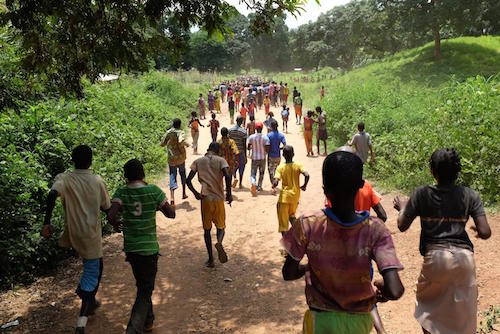
The Social Science in Humanitarian Action: A Communication for Development Platform is an online resource that aims to establish networks of social scientists who can rapidly provide insight and advice to emergency responses, with a focus on the social and communication dimensions of emergency responses. By providing knowledge and expertise, the main purpose of the Platform is to make emergency preparedness and response activities more sensitive to conditions on the ground and to the perspectives of affected communities.
As explained on the Platform, ”From Ebola in West Africa, to the Nepal earthquake, Syria and the European refugee crisis, there is increasing recognition of the need to engage more deeply and systematically with the social, political and economic contexts of health and humanitarian crises. Poor understanding of these dynamics and limited integration with local contexts has long been a source of frustration in the humanitarian and development community and ‘context blind’ responses can contribute to additional costs and harm. Our vision is of humanitarian responses which are effective, sensitive to vulnerabilities and power relations, and planned in consultation with affected communities and local institutions.”
The Platform is a partnership between the United Nations Children's Fund (UNICEF) and the Institute of Development Studies (IDS), with support from Anthrologica. “UNICEF is the convener and provides direction to the thematic areas covered by the platform and linkages to the broader global humanitarian community. IDS brings in the social science, anthropology and communication for development expertise to build the evidence-base for the platform and nurture relationships with local network of researchers. Anthrologica will focus on developing orientation and capacity building of local researchers and partners to conduct rapid research and support field deployments.”
The Platform builds upon the lessons learnt from the humanitarian response during the Ebola outbreak and the development of The Ebola Response Anthropology Platform (ERAP). This current Platform will take the experience from the implementation of ERAP and help connect with and build a south-south network of expertise in these fields.
The Platform features summaries and links to editorially-selected publications on the key themes, which are: Conflict, Environmental Disasters, and Health. Knowledge is also categorised by social dimension - political economy, community engagement and cultural logics, and social difference and vulnerabilities - as well as by region.
The documents made available on the Platform are sourced from academic research, policy papers, and global development organisations, and are organised into the following document categories:
- Briefings - Short documents and guidelines
- Background reports - Literature and learning from past events
- Evidence synthesis - Thematic expertise drawn together from a range of global resources
- Foresight reports - Understanding the implications of present and future trends
- Technical tools - Best practise and practical reflections
IDS website and the Social Science in Humanitarian Action: A Communication for Development Platform on February 15 2017.
Image credit: UNICEF/Le Du