










































Capacity for Research and Advocacy for Fair Taxation Project
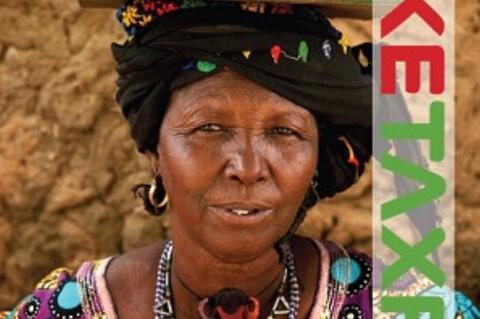
Running from 2012 to 2016, The Capacity for Research and Advocacy for Fair Taxation (CRAFT) project is working to contribute to fair and pro-poor tax systems and more transparent and accountable fiscal policies, with the end goal of helping create more democratic states. The CRAFT project is designed to strengthen civil society through training, action research, policy advocacy, civic education, and alliance building to undertake monitoring, watchdog and advocacy actions to achieve fair and pro-poor tax systems in focus countries, which include Uganda, Mali, Senegal, Nigeria, Egypt, Ghana, and Bangladesh. The project is led by Oxfam Novib and Tax Justice Network with funding from the European Union and the German Development Agency (GIZ).
The project was developed based on the idea that more equitable and increased taxation is critical for both poverty reduction and democratic governance. In order to ensure pro-poor economic growth and essential services, such as education and health for all, developing countries need to raise more tax in ways that are progressive and effective. The project is working to get the voice of citizens heard on these issues, including challenging decisions by leaders and using media to amplify pressure for tax reform. CRAFT also facilitates mutual linking and learning between lead organisations from participating countries.
The CRAFT project has five intervention strategies:
- Research – the project includes research on existing taxation policy and practice, detecting the underlying trends, and formulating a vision on what pro-poor and fairer taxation should look like in each country specifically. Organisers recognise that although there are common traits, the tax situation and the specific issues to address and the best strategy to address them vary greatly in each country, meaning a tailor-made approach is needed.
- Training: The project is working to enhance the capacity in civil society organisations, grassroots leadership, and media to understand what tax justice is all about and how civic awareness and advocacy can strategically be undertaken. Training is based on a modular approach, for subject-matter specialists (tied to the research), trainers-of-trainers, campaign implementers, and civic leaders.
- Civic Education: Popular mobilisation is being undertaken through civic awareness campaigns, to provoke social pressure to change tax policies and practices wherever these are ineffective or unjust. The project influences public opinion through widespread awareness raising and mobilisation.
- Policy Advocacy: The project includes advocacy campaigns to change tax policies and practices. The project engages with the state in political lobby and builds national and international partnerships by participating in (global) networks and joint campaigns. The project also includes international actions and Oxfam campaigning on fiscal justice and progressive taxation. It liaises with international initiatives working on issues such as tax avoidance and tax competition and bi- and multilateral aid agencies targeting governments to build capacity in the tax authorities and judiciary.
- Alliance Building: this involves alliance and coalition building to gain strength and synergy within civil society as change agents, both within countries and linking up regionally and globally, and gain in learning capacity. Partners and allies will share lessons learned to act as policy partners of governments, using both insider (research-based policy advocacy) and outsider (media, popular mobilisation, and international pressure) strategies.
Economic Justice
According to Oxfam, tax revenues in developing countries continually fall short of what realistically could be obtained when analysing these countries’ actual productive potential. In many cases rich countries collect as a percentage of GDP more than twice as much public revenue as developing countries. 18% of GDP comes from tax revenue in African countries compared to an average of 38% in Western European countries. Oxfam research found that improving tax collection could potentially raise $269 billion annually, which is enough to cover up to 60% of the financing requirements for achieving the Millennium Development Goals. To make the system fairer, tax reform is necessary to shift the tax burden to wealthier households and (multi)national companies. Improvements could be achieved by enhanced tax regulations on trade; tackling tax evasion through tax havens; responsibly formalising part of the informal economy; and reducing tax exemptions and raising direct taxes, especially taxes on non-wage incomes.
Make tax Fair website and Oxfam Novib website on December 18 2013.
- Log in to post comments