










































Tiraarka Qoyska Radio Programme
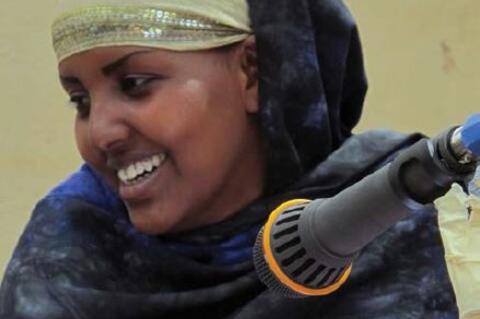
The weekly radio health programme ran for 75 episodes on the BBC Somali service. The programmes were reinforced by short radio trails as well as training for health workers and radio listener groups. The project was supported by the United Nations Children's Fund (UNICEF) and funded by UK Government's Department for International Development.
The plot and storylines for the radio drama were designed to model recommended behaviours around health relevant to the audience's daily experiences in an entertaining and emotionally engaging way. In particular, Tiraarka Qoyska sought to increase the uptake of the following six supporting priority behaviours that, if more widely adopted, could improve child health:
- More women start breastfeeding within one hour of birth;
- More babies are exclusively breastfed for six months;
- More caregivers practise appropriate complementary feeding for their children after six months;
- More caregivers increase children’s intake of food and fluids including breastfeeding, use of ORS (oral rehydration solution) and zinc supplements when they have diarrhoea;
- More caregivers wash their hands with soap or ash before eating, before feeding children, and after toilet activities;
- More caregivers safely dispose of faecal matter.
The drama was set in a fictional camp for internally displaced people called Dareemo (which means "hay", emphasising the programme's rural setting). The drama's characters were intended to reflect all three regions of the country – Somaliland, Puntland, and South Central Somalia - to ensure the widest possible reach.
The storylines show how some characters follow traditional practices while others use modern treatments, highlighting the potential health dangers of some of the traditional practices. Characters also learn from their mistakes and model the correct behaviour. Two stories, for example, show the impact of specific practices on the health of babies. Two babies die as a result, and these tragic storylines were later shown to be among the programme elements that audiences remembered the most. The first story featured Ibrahim and Raho, a couple who have two children. Raho, a traditional birth attendant who believes in traditional treatments, refuses to follow advice to give ORS and zinc supplements to their baby with diarrhoea, and the baby dies. After the birth of their second child in later episodes, the story shows how they change their behaviour and give their baby the recommended treatment.
In the second story, the couple Istaahil and Geedi lose their baby girl as a result of their decision to try to cure her diarrhoea with a traditional treatment (burning her head with fire), and delaying their visit to a hospital. Their story also addressed the importance of breastfeeding and hygiene to prevent diarrhoea in babies. Istaahil, for example, listens to her mother's advice and gives water to her newborn baby instead of exclusively breastfeeding.
In the same broadcast, the stories and issues raised in Dareemo were followed by detailed discussions with health experts, community health workers, and traditional and religious leaders to reinforce the health messages. Audience members would ask questions and comment through phone calls and text messages, ensuring that the listeners were an integral part of the programme.
To extend the reach and impact of the programme, BBC Media Action trained more than 60 facilitators to conduct listening groups. They also developed "media toolkits" - consisting of information cards and audio recordings - for health workers to use when visiting families.
Research was undertaken at each stage of the project: at the formative stage to understand intended audiences and assess people’s knowledge; during pre-testing of the radio shows before broadcast; and quantitative and qualitative evaluation at the end of the project to measure impact.
Child health, maternal health, sanitation and hygiene
"Somalia has some of the worst maternal, neonatal and child mortality rates in the world. One in ten Somali children die before their first birthday and one woman in every 16 women dies from pregnancy-related causes."
Impact and Lessons Learned:
According to end-of-project research, "one in five adults in Somaliland had listened to at least one of the programmes – which equates to almost half a million people in Somaliland alone. A majority of these people were regular listeners."
A large majority of the show's listeners told researchers they had learned something new about health and had changed some of their daily habits as a result of listening to the programmes. The radio shows were associated with improved knowledge, attitudes, and health practices among mothers of babies under one year old in Somaliland, in particular with regards to the prevention and treatment of illness.
As stated in the project research briefing, the combination of drama and discussion formats was successful. It showed that men were most interested in the discussion programme, while younger and older women preferred the drama. Including two formats in one programme, therefore, helped cater to a wider audience.
In addition, "Drama has been shown to have a particularly powerful role in encouraging audiences to absorb new and relevant information. Tragic stories illustrating the potentially fatal results of not adhering to recommended health practices were most recalled by listeners and most associated with improved health practices. The tragic storylines led to an emotional response among the audience, and this has been linked with shifts in knowledge, attitudes and behaviour in the survey."
Research also found that when the barriers to uptake of recommended behaviour were practical or environmental, the project was less successful in achieving its objectives. For example, although knowledge of better nutrition for infants had increased, behaviour had not changed and this could be due to the high cost of nutritious food in the region. Equally, the lack of toilet facilities could be a barrier to behaviour change around disposal of faecal matter, another key issue covered in the drama and discussion.
Click here [PDF] for more information on the evaluation results from the project research brief.
BBC Media Action, funded by UK Government's Department for International Development, and BBC Somali Service and UNICEF as broadcast partners.
BBC Media Action Website and Can radio drama improve child health and nutrition in Somalia? Research Briefing [PDF] on April 14 2015.
Image credit: BBC Media Action - Characters in the radio drama were played by young Somalis.
- Log in to post comments