










































20 Years of Edutainment Television in South Africa: Achievements and Possibilities (9 - 10 October 2014)
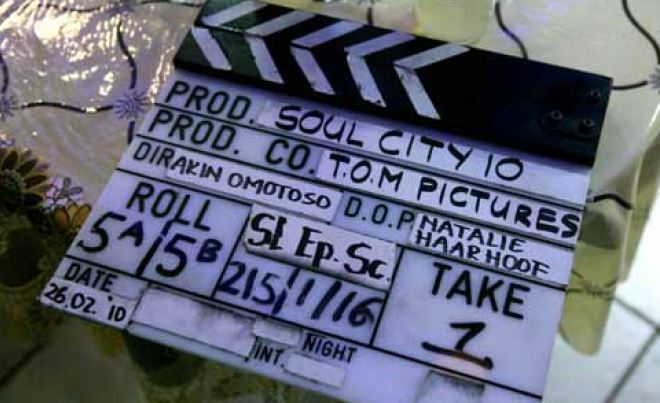
Organised by Rhodes University School of Journalism and Media Studies and the Centre for AIDS Development, Research and Evaluation (CADRE), this colloquium seeks to interrogate the impact and challenges of Entertainment Education (EE) in South Africa since the advent of democracy twenty years ago.
According to the organisers, "the advent of democracy and televised edutainment programmes have coincided in many ways. 2014 marks the 20th anniversary of democracy, and it is only fitting to look at the impact of two decades of EE programming. Local health edutainment shows, most notably those television productions focusing on HIV, have generally been of a high quality with superior production values and wide popular appeal. They have also been marked by their adaptability to changing contexts and, more recently, for their innovative use of social media. This anniversary presents an opportunity to interrogate the impact and challenges of EE initiatives within a context marked by the growing structural disparities that seem to be inherent in the post-apartheid neo-liberal economy. There is often a tension between EE's rhetoric of empowerment, the reality of poverty, inequality and the 'democratic deficit' in South Africa."
"The planned colloquium will be a space in which to probe the relationship between such health education initiatives, the media and wider democratic processes in a developing country marked by extreme economic and social inequalities, and on-going differentiation in access to health care."
The organisers are calling for papers, presentations, or short inputs that critically interrogate the following (amongst others):
- Challenges for EE: persistent problems and possible solutions
- EE and the politics of state health care within a neoliberal
economic context - EE and donor-driven research funding and demands of the reporting that highlights evidence of change (often over a short reporting period)
- The relationship between EE producers and the SABC and other media platforms
- EE research methodologies and methods
- Limitations of the social realism conventions and alternative
visions for EE programming drawing on popular cultural formats (eg, comedy; ER; paramedics; real-life docudrama; film; animation) - Representations of illness and wellbeing in EE programming
- Character identification and self-reported behaviour change
- Considerations in devising evidence-based drama series; how research helps or hinders the creative process
- The potential of social media to enhance engagement with health media
- The future of EE in South Africa: where should we be headed?
Deadline for the submission of proposals: 22 September, 2014.
The organisers ask participants to please note that this deadline is not for the submission of actual papers, or presentations but just for the submission of a concept note or short abstract indicating the proposed topic. While they are hoping that some formal papers will be presented, and that a post-colloquium publication may be produced from the various inputs, they want to encourage maximum participation among practitioners, academics, and students.
The organisers are offering to provide attendees with accommodation in Grahamstown for three nights, and all meals, at no cost to attendees, but are asking participants to fund their own travel to Port Elizabeth. They will also provide transport from and to Port Elizabeth Airport. Ideally participants should arrive in Port Elizabeth on Wednesday, October 8, in the late afternoon or evening, and arrange to fly out of Port Elizabeth on Saturday morning October 11.
Proposals and enquiries are to be addressed to:
Priscilla Boshoff
Rhodes University School of Journalism and Media Studies
Tel: 046-6037188
p.a.boshoff@ru.ac.za
- Log in to post comments