










































Zimbabwe Research Report on HIV Prevention Among Mobile Population
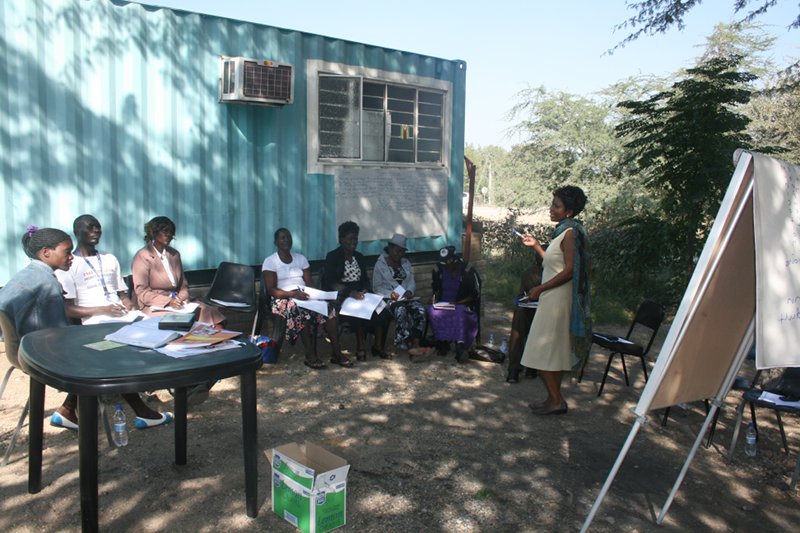
This 53-page report discusses the findings of research conducted into sexual and reproductive health and rights (SRHR) among mobile populations in two of Zimbabwe's border areas, Chirundu and Beitbridge. Focus group discussions and in-depth key informant interviews were conducted by Action Institute for Environment, Health and Development Communication to inform a campaign being developed as part of a regional SRHR programme co-coordinated by the Soul City Institute for Health and Development Communication. The resulting project is designed to use behaviour change communication strategies to raise awareness about multiple and concurrent sexual partnerships (MCP) and the risks of sexual networks for HIV infection, as well as facilitate dialogue to promote safer sexual behaviours.
The rationale for the project was based on the recognition that mobile populations have increased vulnerability to HIV, but may not have access to HIV preventive information and health services due to socio-economic, cultural, and linguistic barriers. Mobile communities also have high rates of multiple concurrent partnerships. The main objective of this research was to explore knowledge and perceptions of truck drivers, a key intended audience, towards multiple sexual partnerships and their views towards condoms and condom use, as well as explore problems they face along the transport corridor in relation to HIV prevention behaviours and accessing SRHR services and information.
According to the research participants, prostitution, malaria, and HIV were the greatest challenges faced at the border areas. Long distance truck drivers engage in multiple and concurrent sexual relationships with cross border traders, sex workers, and passengers, and among both drivers and sex workers condoms are often not used or used inconsistently. Drivers experience long periods of travelling and waiting at border posts, and lack time to seek health services. Findings also revealed that while long distance truck drivers and sex workers value the health services currently provided for them, if the whole community cannot access these services discrimination can result. As well, research participants recognised the value of current programming and information dissemination, but felt that more interesting and effective ways of information dissemination and engaging the target population should be explored.
The report recommends increasing messages that reinforce the importance of using condoms, more education on HIV and AIDS, SRHR and MCP to truck drivers and female sex workers, and promoting skills education especially among commercial sex workers. It is also recommended that information, education, and communication materials be produced and used in social mobilisation activities. In addition, advocacy is needed to encourage transport companies to offer health support to the truck drivers, while Wellness Centres should consider adjusting their hours and practices to be more accessible for drivers.
Action website on June 28 2014.