










































Wize Up Youth Radio Talk Show - Namibia
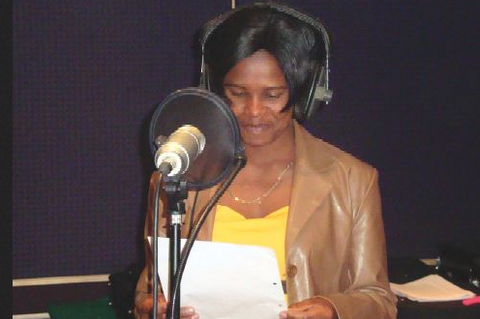
Running from December 2011 to May 2012 and designed primarily for youth aged 15 to 24, the Wize Up Youth Radio Talk Show programmes in Namibia were designed to raise awareness and discussion on youth sexual reproductive health and rights (SRHR). The radio programmes used interactive interviews with topic experts, youth discussions, and feedback through radio, telephone, and social media, as well as drama snippets. The programmes were produced as part of Desert Soul Health and Development Communication's Wize Up Campaign.
This is the second season of the youth radio talk show, which follows the first season which ran from 2010 to 2011. Unlike the first season, this series includes a short radio drama snippet and links to social networks for more participation. The 15-minute long programme aired twice a week, and comprised the following strategies:
- guest topic expert, to provide factual details on the topic of discussion;
- youth were invited to the studio as studio guests, sharing life experiences and views on the topic of the day;
- a key topical question was posed, and listeners were invited to comment by SMS, phone-ins, and social networks such as facebook. Comments were read during the show to get opinions of listeners and to provide them with a platform to ask questions; and
- a 3-minute dramatised snippet was used as an ice breaker to the lead the panel into discussion, and to base the topic in real life situations.
The intended audience for the talk shows was segmented into three parts. The first was youth in the age group 15 to 24, both in- and out-of-school. Messages for this audience were strongly focused on teenage pregnancy and family planning. The second key audience was parents, with messages about intergenerational communication on SRHR. Third was the general public, with messages about sexual gender-based violence. All the messages were designed to involve men and include them in interventions to increase their level of responsibility in SRHR issues.
At a radio creative meeting, the topics for each of the 26 episodes of the radio magazine show were decided on by a team of experts in the field of communication for behavioural change. These included sexual health, sexual debut, sexuality, access to services, gender violence, and safe sex, among many other topics.
The campaign was based on research that showed the need for such programmes for young people, particularly in the areas of reproductive health. Information was considered crucial, and it was realised that there was a gap where parents are often too uncomfortable to talk to their children about sexual-related issues.
As a follow on to the radio programmes, Desert Soul plans to conduct outreach to schools and institutions of higher learning, where they will combine the distribution of campaign print materials with theatre performances. The focus of the outreach is SRHR but linked to HIV prevention.
Sexual Reproductive Health and Rights, HIV/AIDS
Desert Soul Health and Development Communication
Email from Celia Kaunatjike to Soul Beat Africa on May 7 2013; and All Africa.com on May 8 2013.
- Log in to post comments