










































Report on the Challenges Faced by Women in Civil Society in Africa
CIVICUS
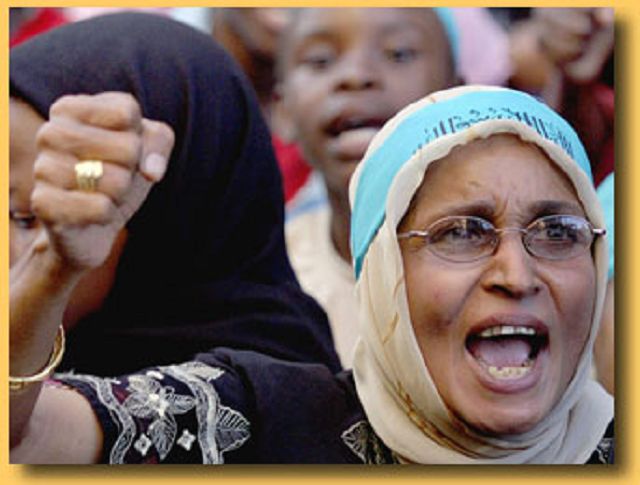
According to this 21-page advocacy report, published by CIVICUS, over the last few decades, civil society activists and the international community have renewed calls to protect women human rights defenders (WHRDs) and uphold their rights across Africa. The report shares findings of a study conducted by CIVICUS to identify the major challenges faced by women in civil society in Africa. Overall, the study found that WHRDs are more prone to targeting, intimidation, and harassment in comparison to their male counterparts, and that there is a need to strengthen legislative frameworks, provide opportunities to amplify the voices of WHRDs, and improve information and experience sharing.
The report explains that, although many African countries have adopted international and regional instruments that protect human rights (such as The African Charter on Human and Peoples' Rights), much still needs to be done in terms of practically implementing these instruments to protect human rights defenders, especially for women who are more vulnerable. Advocacy programmes have broadly been designed for human rights defenders, but the issues specific to WHRDs are deeply rooted and attitudinal, and therefore need specific attention.
The report states that civil society needs to prioritise the creation of space for women human rights defenders to amplify their voices on human rights issues. Creating space within civil society and working on strategies to protect women activists is crucial to creating relevance for governments who have not implemented human rights instruments with a gender lens. Another vital component of civil society work should be raising awareness of the challenges faced by African WHRDs. The report findings point to a need for work at the grassroots level to gather additional, concrete information of what affects women on the ground.
The report states that, in Africa, many factors impact the space for civil society and restrict the freedom of WHRDs. One initial step to address these myriad factors could be the creation of regional networks to address the political participation, economic emancipation, and social upliftment of women. Through linking these networks with women's and human rights movements internationally, local human rights defenders can amplify their voices at regional and international forums such as the United Nations Human Rights Council (UNHRC) and the newly established UN Women.
The research recommends: government ratification of relevant international and regional protocols; establishment of institutions, i.e. human rights institutions and women's commissions; steps to ensure a conducive legal and policy framework that protects the space of WHRDs; and analysis of the cultural and legal frameworks that discriminate against women at social and economic levels. Further recommendations are made for the African Union to play a role in ensuring that the voices of women are heard and incorporated in the regional agenda. It is also recommended that there should be greater solidarity within civil society to focus on the particular needs and situation of WHRDs through joint statements, coalition building, sharing of alerts, capacity building, and magnifying these voices at global forums. The international community also has a role to play in ensuring security and equal opportunities for WHRDs. It is recommended that greater pressure should be placed on governments to remove reservations to Committee on the Elimination of Discrimination against Women (CEDAW) as well as repeal discriminatory legislation based on religious and cultural beliefs.
Along with the broad recommendations mentioned above, the report identifies several communication-related recommendations for civil society:
- Civil society coalitions should effectively utilise every possible local, regional, and international forum to submit reports on the situation of women's rights and the challenges faced by WHRDs.
- Grassroots and community-based groups should be provided knowledge and information about engagement and lobbying opportunities on a policy level.
- Regular information should be shared with United Nations and African Special Representatives and Rapporteurs.
- Street theatre should be utilised for changing societal attitudes.
- Men should be actively engaged in mobilisation strategies on women's rights.
- Protection-related training and capacity enhancement activities should be undertaken.
Civicus website on December 5 2011. Image credit: Getty Images / AFP / Rajesh Jantilal
- Log in to post comments