










































1 minute
Risk Reduction, Assessment, Planning and Support Toolkit for HIV Prevention: HIV Prevention Series
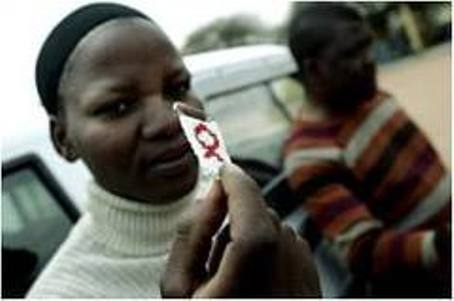
From the Capable Partners Project (CAP) and FHI 360, this "Standard Operating Procedures (SOP) Manual" for Risk Reduction Assessment, Planning and Support (RRAPS) was developed as an HIV prevention tool by CAP Botswana as part of its capacity building mandate to strengthen current behaviour change programmes implemented by civil society organisations (CSOs) supported through the project. The RRAPS tool provides the opportunity for individuals to assess their personal risk for HIV transmission based on their current behaviours, to better understand how these behaviours put them at risk, and to then develop a risk reduction plan with relevant strategies to encourage healthier behaviours.
The RRAPS process integrates individualised assessment, planning, and support with community outreach activities to provide in-depth, personalised education and support to individuals in various community settings, including homes, clinics, schools, workplaces, and churches.
In addition, in a separate document in PDF format, an 11-page "One-on-One Risk Reduction Assessment, Planning and Support Tool" is available to accompany the manual. It is a facilitator interview intake form for individual risk assessments. In addition to personal data pages, it includes grids for knowledge assessment, behaviour assessment, risk status, and a wrap-up assessment, followed by an information table on helping individuals at risk begin to identify and monitor their risk behaviour.
For access to this manual, please contact FHI 360 through the contact information below.
56
Email from Sarah Torrance to The Communication Initiative on November 9 2011.