










































African Biodiversity Network (ABN)
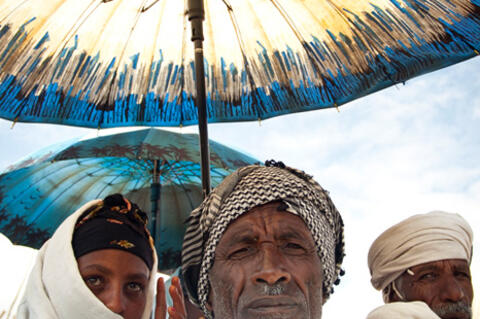
First conceived in 1996 and formalised in launched in 2002, the African Biodiversity Network (ABN) is a regional network of over 35 individuals and organisations working to find African solutions to ecological and socio-economic challenges that face the continent. ABN focuses on indigenous knowledge, ecological agriculture, and biodiversity related rights, policy, and works to provide a forum for sharing experiences, co-developing methodologies, and creating a united African voice on the continent for biodiversity and community resilience.
The African Biodiversity Network is a membership -based organisation that is committed to unearthing and implementing African solutions to African problems and building solidarity on biodiversity and community rights issues. According to ABN, indigenous knowledge and solutions is at the heart of the organisation. Members use their collective strength and experience to build knowledge, skills, and relationships across civil society organisations. Partner organisations within the ABN develop and implement their own community work, coalition building, and legal and policy work, while ABN works to provide an overall structure to facilitate research and the flow of information, experiential learning through workshops and exchanges, training support for community initiatives, and to catalyse wider actions, as well as developing collective advocacy strategies. According to ABN, another key area of activity is to challenge "false solutions," suggesting that too many solutions proposed to the climate crises that Africa and the world face fail to consider the impacts on the farmers, forests, indigenous peoples, and food security of Africans. ABN's key activities focus on the following strategic objectives.
Building Ecosystem and Community Resilience
To work towards resilience, ABN uses intergenerational learning to revive indigenous ecological knowledge, as well as the creation and use of eco-maps and calendars to facilitate agreement of land and biodiversity governance and control, first within communities, and then with local government. Community dialogues are used to analyse and strengthen relevant traditional ecological knowledge and practices, and build community ecological governance capacity. All of these methods are desigend to promote dialogue, analysis, and negotiation to identify, agree, and implement local solutions that increase local control and protection of ecosystems and community rights and responsibilities.
Strengthening Advocacy Alliances
Accordign to ABN, advoccay is vital in repsonse to threats to local communities, land rights and food sovereignty posed by foreign interests, and initiatives such as genetically modified crops (GE), agrofuels, and AGRA (Alliance for a New Green Revolution in Africa). Coalitions co-founded and supported by the ABN (such as AFSA, the Alliance for Food Sovereignty in Africa) are working to raise awareness and develop informed responses to forces which undermine Africa's resilience and ability to promote our own solutions.
Strengthening Network Development
The ABN works to strengthen its network and extend its organisational capacity to ensure that resources can be mobilised both within and outside Africa, building on the ABN’s capacity as a collective grassroots voice for Africa, internationally. The ABN Secretariat (based in Kenya) coordinates activities which provide partners and members with the necessary support to continue to increase the effectiveness and impact of their work.
Examples of ABN work include the following.
- In South Africa community dialogues led to the identification of key sites of ecological, cultural, and spiritual importance. Local ABN partner, Mupo, initiated a legal campaign to protect sacred natural sites in the Venda region that are threatened with destruction. Technical support for community mapping and management plans is designed to help the organisation gain recognition for community governance rights to protect their Sacred Sites and territories. Click here to view a short film entitles "Reviving Our Culture, Mapping Our Future," about the eco-cultural mapping process which took place in Venda in November 2009.
- In Ethiopia local ABN partner, MELCA Ethiopia, has formed an alliance of 14 groups to support local communities in the Sheka Forest region to protect the forest from tea plantations and other threats. The Sheka Forest alliance has run workshops with communities and government bodies on community governance rights. It has carried out training in community mapping, and created spaces for stakeholder dialogues. ABN says these efforts have resulted in more effective community resistance to inappropriate investment, more effective law enforcement and forest protection, and the revival of traditional ecological governance. Click here to view a photo story about Melca's work.
- Through community dialogues with the elders organised by ABN’s Kenyan partner, the Institute for Culture and Ecology (ICE), local communities began to re-discover and revive traditional locally adapted seed and crop varieties that had almost disappeared. ABN describes how through this process, women’s traditional role as guardians of seed and household food security was recognised. Some of the land that had been turned over to cash crops was returned to the women, and together the community restored their traditional diversified agriculture. Within two years the Kamburu community produced a surplus, saving money on buying seed and chemical inputs, as well as on buying food. Their surplus earns money that they use to pay school fees and meet other needs. The community is now actively sharing their experience with others in the area. Click here to view a short film "The Kamburu Story," about this process.
The African Biodiversity Network (ABN) website is designed to be part of the strategy to raise the voices of African on biodiversity issues, sharing information about partners across Africa who are working together to find local, African-led solutions to the challenges they face. The website includes stories featuring ABN partners’ work on the ground, news of events and negotiations which ABN has organised or attended, publications and reports co-authored by the ABN, and new multimedia featuring stories of change.
Biodiversity, Environment
The African Biodiversity Network (ABN) website and Pambazuka website on May 5, 2011.
- Log in to post comments