










































Assessment: Local Media Landscape and Information Needs of Ivorian Refugees in Eastern Liberia
Internews
This 28-page assessment report published by Internews looks at the information needs of refugees arriving from Cote D’Ivoire along Liberia's eastern border. The report makes several recommendations for how the international aid community, along with local media organisations and telecommunications companies, can better meet these needs. Beginning on April 6 2011, Internews conducted a ten-day assessment in eastern Liberia, where the vast majority of Ivorian refugees were arriving. The team mapped local media in the eastern part of the country, as well as the telecommunications landscape in Liberia. The assessment found there are important information and communication gaps, and that communication resources are vastly under-utilised, preventing refugees, host communities, and humanitarian organisations from receiving the information they need to make good and timely decisions.
According to the report, the majority of refugees, especially women, have received little to no news about the situation in Cote d'Ivoire, although their access to such information about the ongoing situation might help them to determine when it is safe for them to return home. The best sources for such information are radio or mobile phones, both of which are in short supply among refugees and host communities.
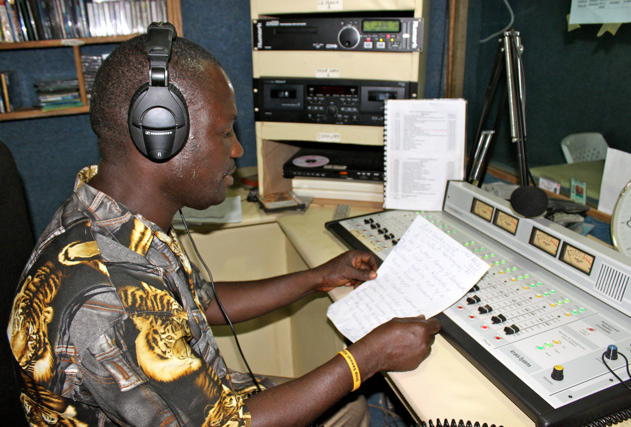
As well, most of the programming on Liberian community radio stations is in English, which Ivorian refugees cannot understand. The news is also largely for a Liberian audience, and community stations have not yet embraced a proactive role in sharing information with refugees, addressing issues with host communities, or considering peace-building and security issues in border villages. The report recommends that non-governmental organisations produce humanitarian content for community radio stations, as the key radio stations in the area have expressed willingness to air programmes provided to them. Humanitarian agencies also need to create a humanitarian contact list for local media; local media should also create a contact list for humanitarian agencies.
Another recommendation provided by the authors is to educate radio station staff about the importance of refugee information, and support community radio in sending reporters to refugee locations. Greater listenership and information-sharing should also be built through increasing refugees' access to and control over radios, encouraging stations to provide more consistent programming, and informing refugees about radio stations' programmes.
Other recommendations include:
- distributing wind-up radios to refugees and host communities;
- distributing bicycles and megaphones to local representatives responsible for delivering information to refugee and host communities;
- establishing listening stations or loud speaker systems within refugee camps, transit centres, and food distribution points to play recorded programmes specifically developed for the refugee population; and
- developing comprehensive and coordinated two-way communication strategies with refugees and host communities to enable real participation in relief efforts and measure the impact and perception of humanitarian interventions.
For more information, contact:
Jacobo Quintanilla
jquintanilla@internews.org
Deborah Ensor
densor@internews.org
Internews website on June 20, 2011.
- Log in to post comments