










































Kumbuka Kesho Radio Drama
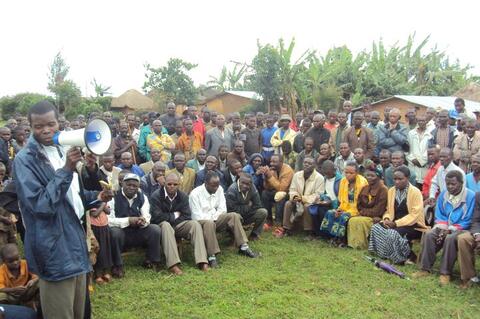
The radio soap tells the story of a fictional city "Bugo" where various groups used to live peacefully. However through time, life conditions have worsened - inequities in power and wealth among groups, a frustrating history, a lack of justice, corruption, a balkanised army, growing insecurity, and weak institutions have led communities to turn towards their own and to blame others for the failure of their country and the worsening situation. The soap targets attitudes of scapegoating in the DRC under the motto ‘attaquez les problemes, pas le personnes!’.
According to La Benevolencija, the drama is designed to not polarise audiences and to reach potential or actual perpetrators as well as victims. To symbolise the presence of different ethnic groups in Congo within "Kumbuka Kesho", three main antagonist groups were created, the Ngoza, the Maka, and the Ngwele. These do not correspond to actual groups on the ground , though they feature characteristics of many of the combating sides and the population in the area. The conflicts between them are exacerbated by the exploitation of a mine with valuable minerals, and the manipulation of different leaders to keep or acquire power. Groups of citizens (youth, an association of demobilised soldiers, unions, etc.) organise themselves to counteract the disastrous effects of this power struggle between their leaders.
A series of 32 messages were developed based on participatory workshops involving stakeholders, civil society, and the serial drama conception team. A strategy used is the creation of some positive characters that turn negative because of manipulation from bad characters and vice versa. La Benevolencija says this allows the drama to depict factors that enable positive and negative behaviour change, with a focus on the adoption of constructive and active behaviour. La Benevolencija adds that this is the strategy to describe the psychology of violence and to give tools to listeners to detect, counteract manipulation, and to act in the service of conflict prevention.
Conflict prevention
In 2010, Benevolencija DRC received an award from the International African Youth Movement for its radio programmes.
Radio La Benevolencija Humanitarian Tools Foundation is a Dutch NGO that uses broadcast campaigns, events and grassroots activities to encourage people to become active bystanders against incitement to hate violence.
La Benevolencija website and Radio for Peacebuilding Africa website on April 18, 2011.