










































Speaking Freely
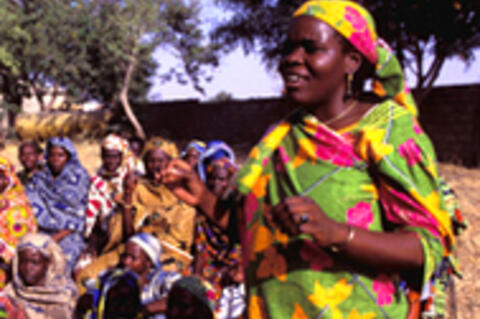
The project was developed based on the belief that "social movements have brought energy, vitality and self-defined change to local, national and international responses to HIV/AIDS. By bringing people together and advocating effectively, social movements have amplified the voices of people most affected by HIV/AIDS and created opportunities for them to influence governments and other decision makers."
In collaboration with the Centre for Popular Memory at the University of Cape Town (UCT), Panos facilitated a workshop with representatives from 3 social movements: South Africa's Treatment Action Campaign (TAC) and the Khululeka Men's Support Group, and the Namibian chapter of the International Community of Women Living With HIV/AIDS (ICW). The workshop explored the oral testimony methodology and discussed topics and questions important to them. They then carried out open-ended, in-depth interviews with peers in their groups and movements. Key themes that emerged included identity, motivation for being involved in a movement or group, representation, and voice.
The South Africa pilot case study had 4 key components:
- An oral testimony workshop and testimony collection – this took place with members of HIV social movements in order to look at communication within a social movement. The specific focus was on individual experiences of HIV, what it's like to be part of a support group/movement, and how the group/movement can amplify the voices of people most affected by HIV/AIDS and contribute towards inclusive social change. The workshop focused on life stories and interviewing skills. There were 10 participants: 6 from the TAC (4 women and 2 men, all either community media practitioners or contributors to TAC's Equal Treatment magazine); 3 from Khululeka Men's Support Group in Guguguletu; and one woman from the Namibian chapter of the ICW. The interview collection took place over a 6-month period, and each of the interviewers interviewed their peers within their social movements.
- Semi-structured interviews with media professionals (freelance and staff reporters), organisers of social movements, and other civil society organisations about the relationship between movements/civil society and the media. The overall questions focused on the relationship between media and social movements, the role of the media in response to HIV/AIDS in South Africa, and the role of the media in supporting inclusive social change and holding government and other key decision makers to account.
- Focus group discussion - this took place with members of social movements on the final day of the OT workshop. This discussion explored the relationship between social movements and the media, and issues of accountability in relation to government health policy.
- Meetings with members of the advisory group - to review and deepen the conceptual ideas outlined in the discussion paper. The advisory group is drawn from academics (in South Africa and in the United Kingdom, or UK), civil society (including non-governmental organisations (NGOs) and social movements, and networks of people living with HIV (South Africa and the UK).
During the project, participants recorded their stories and experiences, which are available to listen to on the Speaking Freely website. The resulting 36 testimonies illuminate individual stories about participating in social movements, personal experiences of HIV, and visions for change. The key themes include: identity; motivation for being involved in a movement or support group; representation; and gender and voice. The OTs aim to enable people to share their personal stories with a wider audience, and to find out more about the role of communication in connecting people and bringing about inclusive social change.
The testimonies are being distributed locally and internationally. At the international level this is done through the Panos publications and website; at the local level small grants support the participants, and their groups use the testimonies in launch events such as community discussions, exhibitions, and readings, and in publications such as pamphlets or – in edited form – for existing formats such as newsletters or websites.
HIV/AIDS.
According to PANOS, OTs are vivid, personal, and direct, and provide different perspectives from other types of research as their primary focus is on letting individuals share their personal stories. The testimonies are the result of open-ended, in-depth interviews, usually carried out on a one-to-one basis. A fundamental aspect of Panos's approach is that the interviews are often carried out by the narrators' peers. The interviews usually last 1–2 hours and are recorded and then transcribed word for word. Panos used OTs in this project to illuminate individual stories about participating in social movements, experiences of HIV, and visions for change. The life stories include aspects of the individuals' background and identity that are related to and also go beyond their HIV status or experience. In focusing on the individual within social movements, the testimonies aim to provide insights into individual reasons for participating in such movements and personal visions for social change.
Speaking Freely page on the Panos London website; and email from Risha Chande to The Communication Initiative on January 4 2008.
- Log in to post comments