










































Zambia-led Prevention Initiative (ZPI)
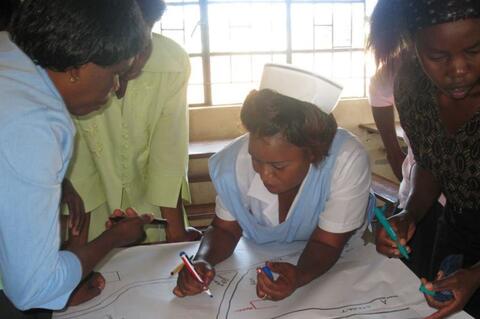
The ZPI project is providing technical leadership and expertise to encourage comprehensive and effective, community-based prevention efforts to reduce HIV transmission. The project activities include helping communities design efficient, sustainable, and locally owned responses to HIV and AIDS. Once these are piloted, they are evaluated to determine which strategies and approaches are working. The overall goal is to increase uptake of HIV prevention services, as well as strengthen the Government of Zambia and private sector responses.
The ZPI Project "uses a 'lenses' approach to HIV prevention to ensure the implementation of high impact, evidence-based projects. The priority 'lenses' identified include gender, gender-based-violence, economic vulnerabilities, alcohol and substance abuse, stigma and discrimination, people with disabilities, mental health, violence against children, and the uptake of biomedical services." Overall the project is working to build community capacity for "effective, gender-sensitive prevention programmes, including testing and counselling, male circumcision and prevention of mother-to-child transmission of HIV. In addition to effective prevention of HIV and AIDS, the initiative will also support community-based family planning and reproductive health services." The project is particularly focusing on interventions for most at risk populations (MARPS). These include street kids, commercial sex workers, drug and alcohol users, orphans and vulnerable children, marketers, etc.
One of the programme initiatives is the creation of Community Learning Centers. The Chaisa Community Center in Emmasdale Lusaka is the flagship centre, which will be rolled out to 23 other Community Learning Centers throughout Zambia.
Reproductive Health, HIV/AIDS
According to FHI360, as of June 2012, ZPI had reached more than 146,000 members of the target population with individual or small-group HIV preventive interventions. More than 25,000 persons were reached by individual, small-group or community-level interventions or services that explicitly addressed gender-based violence and coercion. Moreover, the project has provided testing and counselling services to more than 53,000 individuals, including nearly 13,000 pregnant women; has reached more than 4,000 individuals living with HIV and AIDS with a minimum package of prevention interventions; and has provided economic strengthening services to more than 2,300 adults and children.
FHI 360, the Population Council, United States Agency for International Development/ President’s Emergency Plan for AIDS Relief (PEPFAR), Catholic Medical Mission Board (CMMB), Afya Mzuri, Comprehensive HIV/AIDS Management Program (CHAMP), Zambia Health Education and Communications Trust (ZHECT) and Hodi.