










































Video Girls for Change Project
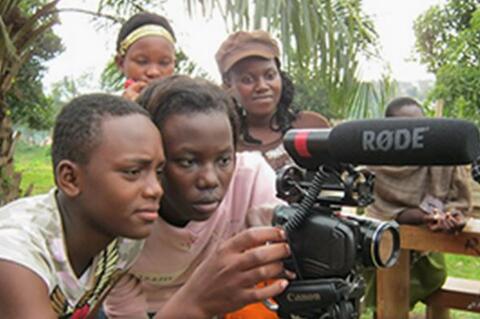
This initiative combined participatory video with the Most Signifcant Change (MSC) technique as a tool for monitoring and evaluating a diverse range of programmes being undertaken as part of the Girl Effect programme. InsightShare trainers made 3 visits to both Guatemala and Uganda over 12 months to deliver Stages 1 to 3 of the PV M&E initiative alongside Population Council Guatemala and BRAC Uganda. Stage 4 took place at the end of the programme, bringing together representatives of the girl trainees and representatives of respective partner organisations with InsightShare trainers at the Association for Women's Rights in Development (AWID) 2012 forum in Istanbul, Turkey.
The process included the following stages:
- Stage One: Stage 1 focused on skill building in participatory video and monitoring and evaluation. This included "hard skills" in filming, using the technology, and editing, combined with "soft skills" in facilitation and community storytelling. Trainees undertook a MSC story collection process in two communities and developed work plans to carry out post-training monitoring assignments.
- Stage Two: The focus was on reinforcing skills in PV and MSC gained during Stage One, as well as identifying and learning gaps, working on a learning platform, and conducting a PV MSC collection and selection process in the field, with InsightShare facilitators and local staff working alongside trainees. This included strengthening hard skills in filming, internet usage, and editing, and soft skills in facilitation, process, community storytelling, and use of role-play and drama. Trainees undertook an MSC process with diverse beneficiaries and developed work plans to carry out their second post-training assignments (PTA).
- Stage Three: The focus was on conducting a participatory evaluation of stories of change and crafting sustainability plans. Trainees analysed all the MSC stories, dramas, and scribe notes collected during the monitoring process. In Guatemala, the trainees created PV drama narratives based on the results and guided beneficiaries and staff through a reflective process to ensure that their perspectives were included in the participatory evaluation. This stage included developing skills in critical thinking, using pile sorting, learning Theatre of the Oppressed techniques, and reinforcing PV and editing skills. In Uganda, trainees carried out data management, identification of key themes and actors, and facilitated selection screenings of MSC stories.
- Stage Four: For the final stage, 3 girl trainees and 1 member of staff from each country travelled to Istanbul, Turkey for the AWID 2012 forum. This was intended to expose the girls to the broader issues surrounding women's rights and justice. It was also intended to provide an opportunity to: exchange and compare the results of the participatory evaluation of girl programming carried out in the two countries; spend time together crafting local and global dissemination strategies; enable the trainees to consolidate and package their final product and recommendations; and provide an opportunity to showcase their work and network.
To elaborate on one methodology used - drama - in Stage One, the InsightShare trainers and Guatemala team tested out using a PV drama activity immediately after filming testimonies, which organisers say enabled groups to express themselves more fully through drama on sensitive issues such as reproductive and sexual health education and overcoming bullying. After revising the method at the end of Stage One, it was decided to integrate this into the process. In Stage Two, another step included the filming of a short PV drama after doing an MSC selection process - this time as a way for each group to explain why a story was selected as being the MSC.
Videos are available to view on the Video Girls for Change website.
For more information, see the Video Girls for Change Final Project Report[August 2012].
Gender Empowerment
InsightShare, Population Council Guatemala, BRAC Uganda, Nike Foundation.
Video Girls for Change Final Project Report [August 2012]; and Wardiola Wordpress website and Video Girls for Change website - both accessed on February 4 2014.
- Log in to post comments