










































Towards Total Sanitation: Social-Cultural Barriers and Triggers to Total Sanitation in West Africa
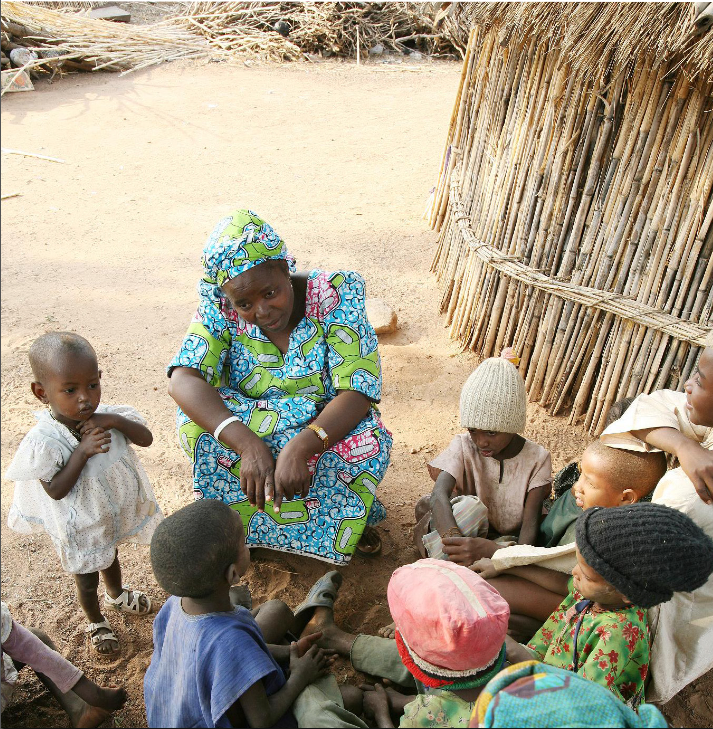
This 16-page report, published by WaterAid, is a regional synthesis of a series of in-country studies carried out to identify the socio-cultural barriers to improved sanitation specific to communities in Burkina Faso, Ghana, Mali, and Nigeria. In these countries, the practice of open defecation is surrounded by cultural taboos and beliefs particular to many of the ethno-linguistic groups who live there. While total sanitation techniques such as Community-Led Total Sanitation (CLTS) have been generally successful in West Africa, some communities where WaterAid works are particularly resistant to abandoning open defecation. Based on the findings of these reports, WaterAid is moving to address the issues in West Africa, and is gradually adapting its sanitation programming accordingly. As stated in the report, the strategies suggested still require further development and testing in the field, but it is hoped that some of the ideas may prove useful for other sanitation practitioners who may be experiencing similar difficulties.
The study sought to identify the traditional beliefs which act as social and cultural barriers to the adoption of improved sanitation. By mapping the social communication channels relevant to each community, the study also aimed to find potential ways of encouraging social change and to engage with communities to end their use of open defecation.
The study found a number of beliefs that prevented people from adopting improved sanitation. This included shame or embarrassment of being seen approaching a toilet or latrine; the belief that living with human excreta is offensive, unpleasant smelling, and off-putting; believing that latrines are meant only for wealthy people; that if someone feeds you, you should defecate in their field to fertilise the soil or give something back; the fear of being possessed by demons or losing magical powers by using a latrine; and the desire to continue ancestral practices.
Other barriers included poverty; the smell, heat, and maintenance of latrines; the safety of latrine structures; environmental constraints such as very hard or very sandy ground, requiring more expensive building techniques; and lack of discipline or carelessness and disrespect.
The research also identified factors or concerns that could be used to promote improved sanitation. These include the sense of shame and disgust experienced by community members during transect walks and when understanding the results of faecal calculation; risk of sexual attacks on women and girls; fear of snake bites, especially at night; social pressure; the distance to cover to the bush; pride and a sense of prestige for those who can afford a latrine; and the difficulty of going out to relieve oneself when it is raining.
Other positive social factors include the presence of grassroots organisations; diffusion mechanisms, such as the impact of migrants' adopting new hygiene behaviours and bringing them back to their home communities; and promoting education, health, and hygiene as a basis of sustainable development.
The final part of this report makes a number of suggestions for how total sanitation facilitators can tailor their approaches to 'shift' the social convention towards achieving total group behaviour change in the study communities. The author states that prior to starting an intervention it is important to understand the local context, as this should help identify opportunities or specific issues that could be drawn on to facilitate or trigger behaviour change. Different options and mechanisms should be explored. In addition, communities could be encouraged to make a collective public declaration to end open defecation.
Another recommendation is to ensure skilful facilitation. Organisations and individuals leading the CLTS process should have a good blend of skills to be able to adapt approaches to take into account socio-cultural issues specific to the community and use local diffusion mechanisms to facilitate behaviour change. Facilitators should always try to enlist the support of community champions and leaders to help break down barriers, sensitivities, and perceived taboos associated with using latrines. It is also important to provide ongoing support to help these champions stay focused and engaged.
47-49 Durham Street
2nd Floor
47-49 Durham Street
Water Supply and Sanitation Collaborative Council website on March 2 2011.
- Log in to post comments