After nearly 28 years, The Communication Initiative (The CI) Global is entering a new chapter. Following a period of transition, the global website has been transferred to the University of the Witwatersrand (Wits) in South Africa, where it will be administered by the Social and Behaviour Change Communication Division. Wits' commitment to social change and justice makes it a trusted steward for The CI's legacy and future.
Co-founder Victoria Martin is pleased to see this work continue under Wits' leadership. Victoria knows that co-founder Warren Feek (1953–2024) would have felt deep pride in The CI Global's Africa-led direction.
We honour the team and partners who sustained The CI for decades. Meanwhile, La Iniciativa de Comunicación (CILA) continues independently at lainiciativadecomunicacion.com and is linked with The CI Global site.
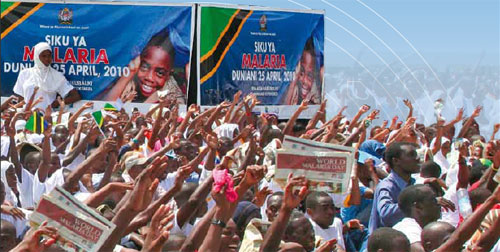
Where Social and Behaviour Change is Central to Eradicating Malaria
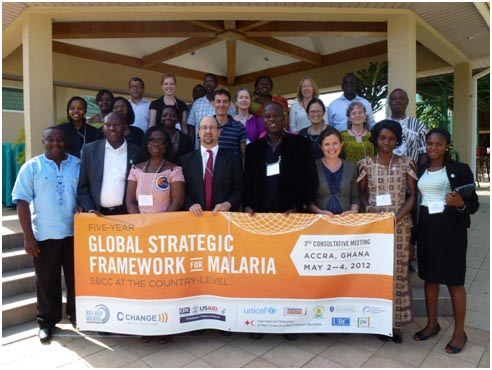
Participants at the 5-year Global Strategic Framework for Malaria Meeting in Ghana (see more below)
This issue of the Soul Beat Malaria Extra shares with you a variety of recent malaria news, resources, initiatives, research reports, and training resources to help support malaria and communication initiatives in Africa
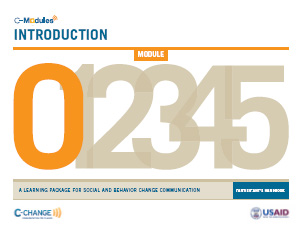
A Learning Package for Social and Behaviour Change Communication.
We hope you find these selections useful and invite you to visit the Soul Beat Africa Malaria website, where you will find more resources. Please also share the summaries you like to your networks by, for example, "liking" or sharing the summary to your Facebook page or by spreading the word through Twitter.
If you have not yet registered, we hope you will take the time to join us on the Malaria Online Social Network for knowledge sharing and upcoming discussion and exploration of social and behaviour change communication (SBCC) for malaria prevention, control, and treatment in Africa.
Please also share our knowledge by liking our Facebook page or by voting "Like" on any of the pages visited from the selections below.
About the Soul Beat Malaria Extra Newsletter
Soul Beat Malaria Extra is a newsletter for practitioners utilising social and behaviour change communication (SBCC) for malaria prevention, control, and treatment in Africa. It keeps you in touch with an ever-growing collection of practical tools, research, and resources together with inter-active forums that link an increasing network of people and organisations committed to expanding the use of SBCC in African malaria initiatives.
C-Change/FHI 360 led the meeting of the Five Year Global Strategic Framework for Malaria held May 2-4, 2012 in Accra, Ghana. Thirty participants came from five countries (Ghana, Kenya, Ivory Coast, Liberia, Tanzania, and Zambia) and 13 partner organizations including FHI360, JHU/CCP, United Nations Children's Fund (UNICEF), Roll Back Malaria, Malaria No More, Ghana Health Service, Centers for Disease Control and Prevention (CDC), President’s Malaria Initiative (PMI), USAID/Ghana, Population Services International (PSI), the International Federation of Red Cross and Red Crescent Societies (IFRC), and Kenya Red Cross. Participants adopted the strategic framework, which describes complementary processes for mobilizing financial, social, and political resources to position communication as a core part of malaria control, particularly at the country level. The framework calls for partners to advocate for programmes that: position communication as a critical component; ensure that communication strategies are evidence-based, context-specific, and results-driven; further capacity building in communication from global to local levels; and invest adequate resources to communication at the country level. Participants also established a Roll Back Malaria (RBM) Communication Working Group to support ongoing discussions. The final strategic framework document is forthcoming this month.
Click here for more information on the RBM website and here for more information on the C-Change website.
In their effort to achieve universal coverage with long-lasting insecticide-treated nets across Senegal, the NetWorks malaria prevention project teamed up with religious leaders and local women’s groups to share malaria prevention messages with a group which had never been the focus of malaria prevention campaigns before – the tallibes, or Koranic students. Ranging in age from five to 18 years, the tallibes study and frequently live in daaras (Koranic schools), far from their families and, often, under poor conditions. As discussed in this article, the overcrowded and poor living conditions provided some unique challenges for the campaign. Click here for the full article.
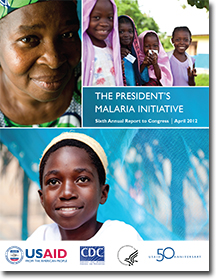
On the occasion of World Malaria Day this year, the President's Malaria Initiative (PMI) released its sixth annual report which describes the role and contributions of the U.S. Government in the effort to reduce the burden of malaria in Africa, and to monitor antimalarial drug resistance and decrease malaria transmission in the Greater Mekong Subregion. Click here for the full article and to download the report.
Soul Beat Africa has started a forum space for practitioners working in malaria communication to share experiences and lessons learned around gathering impact evidence on malaria communication. As part of this forum, Malaria No More has shared with us their experiences of measuring the impact of their work. Amongst other issues, they talk about how measuring impact through a pilot study can stir up political trouble when choosing a pilot site.
To find out more, to comment, or to contribute your own experiences, click here to go to the relevant section in our Malaria Online Network (if you are already a member, you may need to log in).
If you are not a member, please join our Online Malaria Social network by registering here (and select Malaria Network).
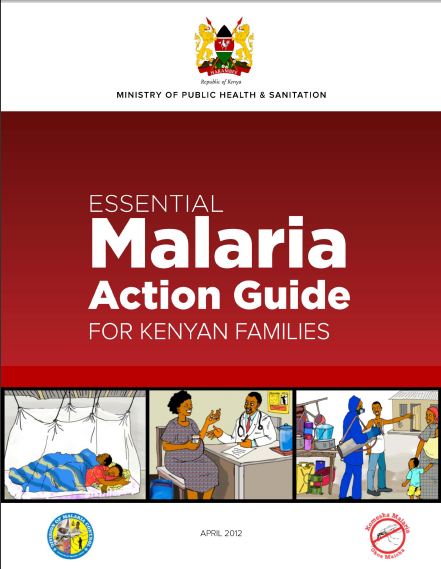
This Essential Malaria Actions (EMA) guide, developed with a coalition of partners, led by FHI360, and published by the Division of Malaria Control (DoMC) Kenya, is designed to assist district health managers, health workers, and non-governmental organisation (NGO) partners in planning and implementing malaria social and behaviour change communication (SBCC) activities at the community level. The guide seeks to ensure harmonisation of communication approaches and promotes seven essential malaria actions that fall into four categories: LLIN use, malaria case management, indoor residual spraying, and prevention of malaria during pregnancy. Click here to access this resource.
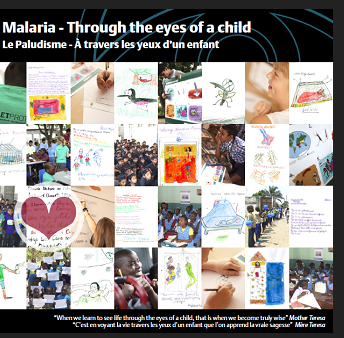
Published by Bestnet, this book documents Bestnet education activities in celebration of World Malaria Day 2011, and shares poems, stories, and drawings by children themselves about malaria. Bestnet and partners reached out to educate hundreds of school children on five continents about malaria and the protection provided by sleeping under LLINs. The children were asked to inform Bestnet about the devastating effects of this life-threatening disease through their own poems, stories, and drawings. The children’s thoughts and illustrations were then compiled into this book. Click here to access these resources.
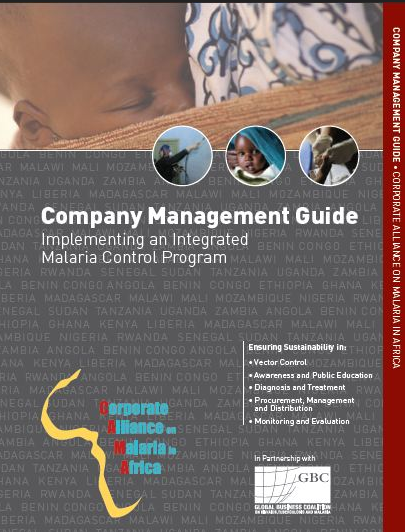
Published in 2009 by the Corporate Alliance on Malaria in Africa (CAMA), this evidence-based management guide is designed to encourage increased investment in malaria programmes, add value, increase effectiveness, and reduce the impact of malaria as a major public health threat in Africa. The guide intends to provide experience-based guidance on key programme elements and is meant as a high-level overview with links to documents that provide more in-depth and specific information about various technical aspects of malaria control. Click here to access these resources.
For more malaria resources on the Soul Beat Africa Malaria themesite, click here.
The President's Malaria Initiative (PMI) seeks to reduce malaria-related deaths by 50 percent in 15 focus countries in Africa by expanding coverage of effective malaria prevention and treatment measures to the most vulnerable populations: pregnant women and children under five years of age. To access communication materials developed by USAID/PMI partners go to the PMI Special Collection on C-Hub. C-Hub is a service of C-Change that provides a place to find and share communication materials on development.
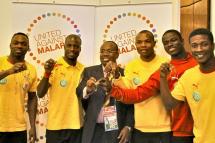
Launched in November 2011, Malaria Powerbrokers is a 2-year malaria advocacy initiative to expand the national movements of private and public sector leaders in four African countries (Ghana, South Africa, Tanzania, and Uganda) to collectively motivate African governments to use available resources (domestic, donor, and private sector) more efficiently to scale up effective malaria control, laying the foundation for eventual elimination. Led by the Johns Hopkins University Center for Communication Programs (JHUCCP), and funded by the Bill & Melinda Gates Foundation, the initiative builds on Voices for a Malaria-free Future, a project led by JHUCCP from 2006 to 2011, and the United Against Malaria (UAM) campaign, which uses soccer as the catalyst to raise global awareness and galvanise worldwide commitment to end malaria deaths by 2015. Click here for more information.
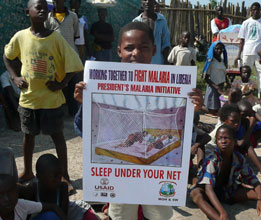
The President’s Malaria Initiative (PMI) and it’s partners are working to reduce malaria related morbidity and mortality by 50% in Liberia by 2012, focusing on reaching pregnant women and children under five years of age with lifesaving services, supplies, and medicines. Running from October 2008 to September 2013, along with supporting the distribution of insecticide-treated nets (ITN) and medication, the project is working to build capacity to prevent and respond to malaria, as well as promote awareness through dramas, music, radio, and television. Click here for more information.
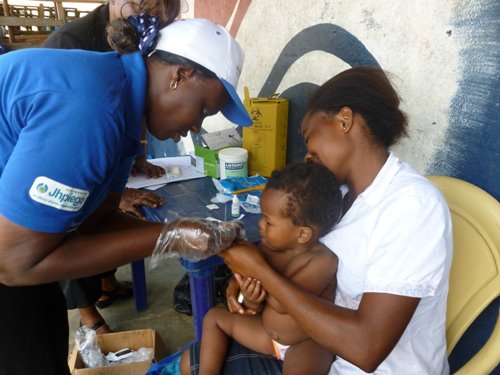
FHI360’s Community Malaria Programme focuses on building the capacity of community health workers (CHWs), improving knowledge and awareness of malaria illness, and encouraging preventive and health-seeking behaviours. Funded by Glaxo Smith Kline's African Malaria Partnership Program and implemented in collaboration with Mission of Hope for Society Foundation and Search for Rural Development, this project is working to reduce malaria related morbidity and mortality in Ghana. Key activities include training CHWs, and peer learning though mothers’ clubs and school-based malaria prevention clubs. Click here for more information.
For more malaria programme summaries on the Soul Beat Africa Malaria site, click here.
This brief provides ministries of health, donors, and malaria and reproductive health implementing partners with a synthesis of lessons learned in malaria in pregnancy (MIP) programming in three relatively high-performing countries - Malawi, Senegal, and Zambia - highlighting best practices and successful strategies that can be applied to other malaria-endemic countries throughout Africa. It highlights the importance of community involvement, the role of community health workers in educating the community, and the importance of adequate in-service training and mentorship. Click here to access this report.
Published by the Malaria Journal, this article shares findings of a study to determine factors influencing the use of LLINs in three rural communities of Côte d'Ivoire, two of which benefited from recent interventions. According to the article, the study not only confirmed that education and socioeconomic position play important roles in the prevention and control of malaria and promotion of health in general, but pointed to the basic essential knowledge and the key behavioural elements that should guide education and learning processes among the economically poorer segments of the population. Click here to access this report.
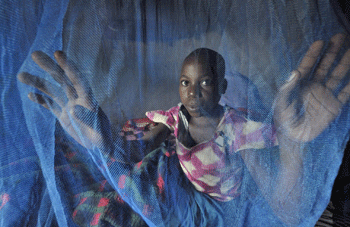
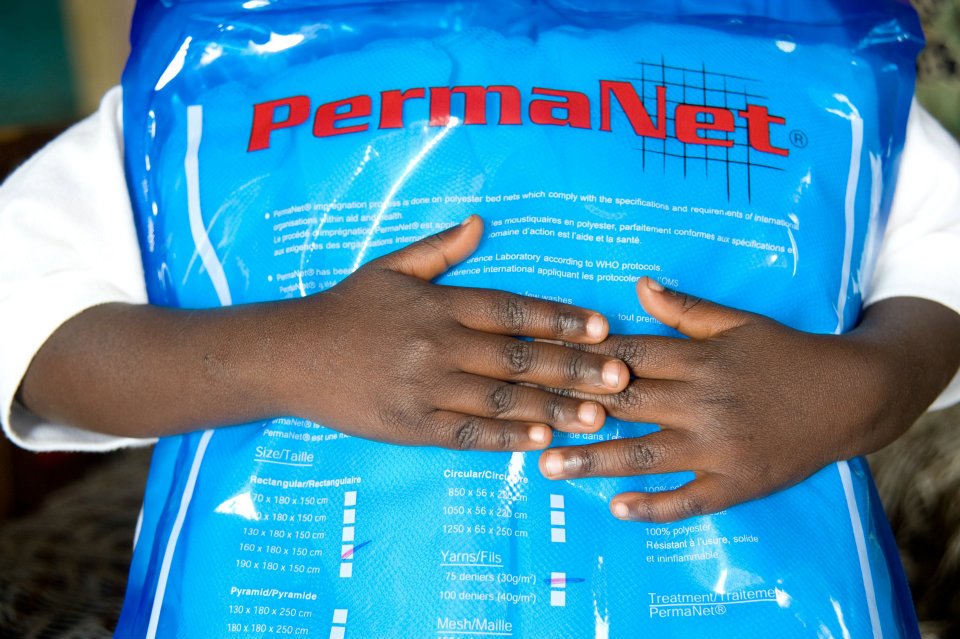
This 2-page brief, published by Roll Back Malaria, shares the experience and lessons learned in Kenya from the country’s strategy of continuous LLIN distribution to prevent malaria. According to the brief, continuous distribution systems are a crucial complement to free distribution campaigns, maintaining the coverage that campaigns build. At the core of success of the distribution systems, led by Kenya’s Division of Malaria Control (DoMC), is that all donors and partners support the principal of one strategy, one co-ordinating body, and one monitoring and evaluation plan. The brief also credits a strong communication programme with mobilising community support for the system. Click here to access this report.
Photo credit: David Snyder/Centre for Disease Control Foundation
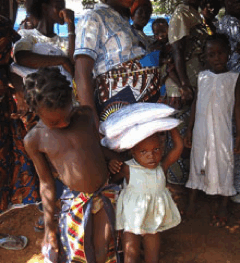
This report, published by the Roll Back Malaria Partnership and the World Health Organization (WHO) as part of the Roll Back Malaria Progress & Impact Series, shares findings from an assessment of Tanzania's National Malaria Control Programme (NMCP). In addition to reporting on the impact of activities implemented around the distribution of ITNs, indoor residual spraying (IRS), and the use of rapid diagnostic tests (RDTs) and artemisinin based combination therapies (ACTs), the document looks at the strategies and impact of the main communication initiatives - Zinduka! Malaria Haikubaliki (Swahili for “Wake up! Malaria is Unacceptable”) and the Communication and Malaria Initiative in Tanzania (COMMIT) programme - which have been extracted from the report in this Soul Beat Africa summary. Click here to access this report.
Photo credit: Robert Ainslie/COMMIT Project
Please send your malaria research, communication programme evaluations, and impact data to soulbeat@comminit.com
Communication for Change (C-Change) has created this learning package for facilitated, face-to-face workshops on social and behaviour change communication (SBCC). The package for communication practitioners working in development includes a series of 6 modules and accompanying facilitator guides for each module. Click here to access this learning package.
The Soul Beat Malaria Extra e-magazine, supported by PMI and C-Change and implemented by Soul Beat Africa, is an e-magazine that highlights social and behaviour change communication (SBCC) case studies, reports, analyses, and resources related to Malaria. Please encourage your colleagues and friends to subscribe here and select Malaria under Development Issues.
Share your knowledge Do you have programme descriptions, strategic planning documents, project evaluations, training manuals or resources, and trainings and events you think are useful to others working on SBCC and Malaria? If you do please go to the knowledge sharing area of Soul Beat Africa's Malaria Network where, once you've registered, you can upload the resources you want to share. Or you can send your information to soulbeat@comminit.com
Send us your feedback We would love to get your feedback on some of the knowledge shared in this newsletter. After you have clicked on the links provided, at the bottom of each Soul Beat Africa webpage you will see a star rating option as well as a comments form. Please rate the content and/or let us know what you think by sending a brief comment through the comments form. Your feedback will be greatly appreciated and will help us to better support your work.
This publication is made possible by the support of the American people through the United States Agency for International Development (USAID) under the terms of Agreement No. GPO-A-00-07-00004-00. The contents are the responsibility of The Communication Initiative and the C-Change project, managed by FHI360, and do not necessarily reflect the views of USAID or the United States Government.