










































Promoting Quality Malaria Medicines Through SBCC Implementation Kit
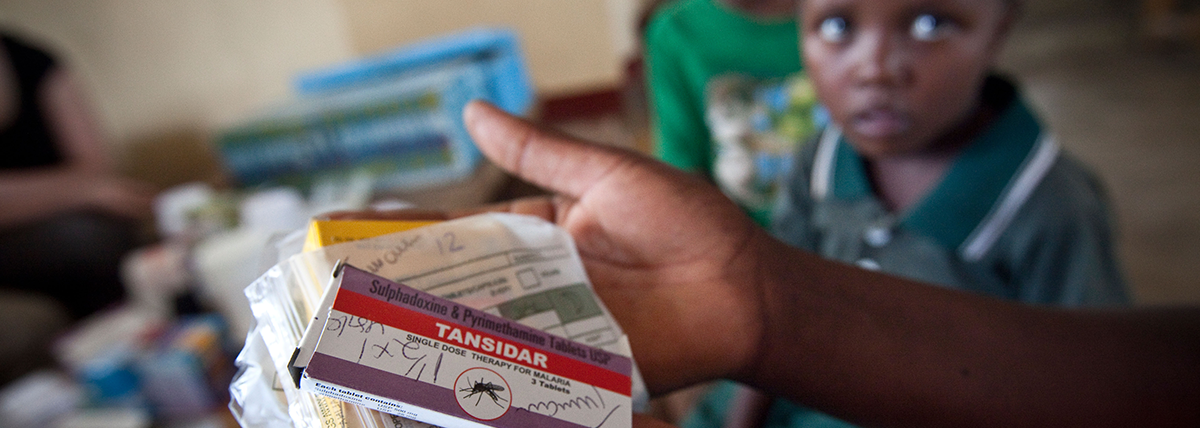
This Implementation Kit (I-Kit) provides national and local stakeholders, as well as programme managers, with key considerations and a roadmap for designing and implementing a country-specific social and behaviour change communication (SBCC) campaign that protects the public from poor quality malaria medicines. As explained in the kit, “Substandard, spurious, falsified, falsely-labeled and counterfeit – or SSFFC – malaria medicines cause undue harm because they cannot effectively treat malaria. SSFFC malaria medicines can also negatively influence consumer behavior, threaten national healthcare systems and contribute to artemisinin resistance.”
The I-Kit is therefore meant to help design and implement SBCC interventions that seek to address consumer practices that influence the risk of obtaining SSFFC malaria medicines, including purchasing, using, verifying the authenticity of, and reporting substandard malaria medicine. The content is based on lessons learned from global research and a strategically developed and evaluated programme in Nigeria, providing examples from that experience.
The following are the key intended audiences for the I-Kit: health promotion officers in ministries of health who are responsible for malaria SBCC programmes; communication specialists within drug regulatory authorities, who are involved in creating public awareness about medicine quality; SBCC specialists working for non-governmental organizations or projects, who are responsible for malaria communication programmes; public relations and marketing specialists working for pharmaceutical companies or trade associations, who are already working on or interested in incorporating SBCC into their marketing and communication work; and global malaria partners or donors who make policy and programmatic decisions and want to educate themselves on how to best respond, given the resources and context where they work.
The I-kit is organised as follows:
- Learn - explains what SBCC is about, what influences people’s behaviour, and gives a brief overview of different SBCC theories.
- What is Being Done Globally (background, justification and global activities) - Provides the necessary background and information to use the I-Kit, as well as information on global and country examples to combat SSFFC malaria medicines and promote positive medicine use behaviours.
- Promoting Quality Medicines - Describes five steps for designing and implementing a campaign to promote the use of good quality malaria medicines.
- Working with the Media - Provides guidance, tools, and resources for engaging with the media to combat SSFFC malaria medicines.
- Global SSFFC Malaria Medicine Resources - Provides resources and tools for understanding the malaria medicine situation, as well as developing and advocating for strategies to address medicine quality issues. It also provides descriptions and links to resources and tools for protecting and advocating for malaria medicine quality.
English
SBCC Implementation Kits website on November 23 2016.
- Log in to post comments