










































Mwananchi Programme Zambia - Atwaambe
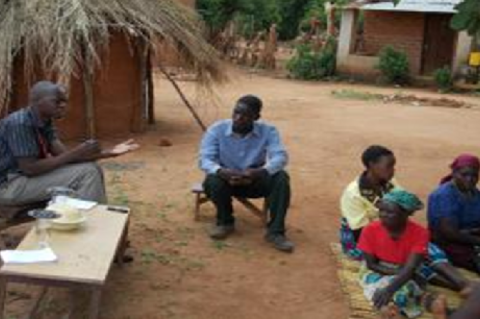
Led by Panos Southern Africa, the Mwananchi programme in Zambia seeks to engage civil society, media, and elected representatives in how evidence-based approaches can be used to shape government policies and practices around women, youth, and children. Policy implementation at national and local levels, as well as citizen awareness of and engagement with labour laws, especially the protection of workers' rights, are the key issues addressed in this programme. The Mwananchi Programme is a five-year project led by the Overseas Development Institute, funded by United Kingdom Department for International Development, working in Ethiopia, Ghana, Malawi, Sierra Leone, Uganda, and Zambia to provide a dynamic platform that can give citizens a voice in enabling the state to be responsive, accountable, and capable of delivering public services to marginalised people.
Governance in Zambia is defined according to the strategic objectives of the National Capacity Building Programme for Good Governance, which was formulated in 2000. The Mwananchi programme is working in line with this programme, to build institutional capacity and strengthening institutional linkages, as well as to promote constitutionalism, human rights, accountability and transparency, economic management and democratisation, decentralisation, and local governance. The programme is working to increase opportunities for constructive dialogue, promote models of good practice, and create opportunities and entry points for effective citizen voice and government accountability.
More specifically, Panos Southern Africa is working with partners, including civil society organisations, elected representatives, and the media on initiatives to:
- build capacity development for women, youth, and children;
- promote children's rights and participation;
- create citizen awareness of and engagement with labour laws;
- strengthen participatory engagement involving key stakeholders and the state; and
- encourage stakeholder collaboration and use of evidence-based approaches on identified issues.
Panos Southern Africa is a also creating partnerships with implementing organisations, through grant funding. For example, the Media Network on Child Rights and Development's children's reporting bureau initiative in Petauke is working to spark debate on child rights violations and is mobilising local coalitions and action to address violations through partnerships with local organisations. The Christian Information Network is also engaging the Parliamentary Committee on introducing e-learning for the deaf in primary and tertiary schools, as well as advocating for the standardisation of sign language in Zambia.
The Mwananchi programme is initially focusing on three provinces – Lusaka, Western and North-Western provinces. The core of its actions will be spread around peri-urban Lusaka, Kafue, Chongwe, Mongu, Solwezi and Kasempa. These have been chosen based on the high levels of poverty and marginalisation, as well as existence of stakeholders already working with the communities. In the subsequent years of implementation, there may be need to extend capacity building efforts to stakeholders working in other areas deprived of 'voice' and reach due to poor infrastructural development.
Governance
The Mwananchi programme's theory of change centres on citizens effectively expressing their views and interests and holding governments accountable for their actions at different levels in the governmental system. This includes three key participants - citizens (the "wananchi") or ordinary people, interlocutors, such as journalists, civil society organisations, and elected representatives, and the state. To increase the ability of citizens to effectively express their views and hold governments accountable, the overall programme seeks to sharpen the roles of civil society, media, elected representatives (members of parliament and councilors), and traditional leaders; strengthen partnerships between interlocutors for comparative advantage synergies; and increase the use of research-based evidence to influence government policies and engage citizens.
The results of a stocktaking and baseline study in Zambia highlighted some gaps around constitutionalism and human rights, decentralisation and strengthening of local governance, accountability and transparency.
United Kingdom Department for International Development, Overseas Development Institute, Panos Southern Africa
Mwananchi website and Mwananchi-Zambia annual report 2011-2012 - Atwaambe [PDF] on October 20 2012.