The Mobile Outreach Approach: Best Practices from FARM-Africa’s Pastoralist Development Project in Kenya
FARM-Africa
This 19-page report, published by FARM-Africa, is one of a series documenting the Pastoralist Development Project (PDP) - originally the Camel Improvement Project - initiated in Kenya in 1988. The project, which ran for 12 years in Northern Kenya, aimed to promote camel husbandry and production because the camel is seen as a drought-resistant and environmentally friendly animal. The PDP was designed for pastoral nomadic people, and, as such, was developed to be a mobile outreach programme. This report looks at how the project was developed, outlines the lessons learned along the way, and presents the best practices that evolved from the work.
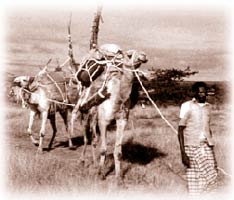
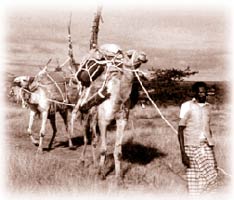
The project involved setting up Mobile Outreach Camps (MOCs) which were the centre of operation for the project's more mobile Mini-MOCs as well as another group of Special Outreach Services (SOS) who visited nomadic populations on foot, bringing food, water, and equipment on camels. SOS personnel included community health workers and animal health workers. These smaller groups visited pastoral communities individually, conducting workshops about camel husbandry, and providing basic health services for both the community and their animals.
Based on key findings, the report concludes that the PDP had a significant impact in reaching remote communities and training its members without creating dependency. It showed that mobile outreach could be more effective - both in terms of costs and messaging - than traditional sedentary methods. According to the authors, the approach was also an effective way to reach remote pastoralists living far from any traditionally accessible routes. Organisers found that the MOCs were popular with pastoralists, and that they provided a close environment for two-way learning with little distraction.
In addition, according to the report, the approach minimised the risk of ethnic conflict, as PDP units were seen as non-partisan and conducted workshops equally with communities from opposing sides of a conflict. They found that there is great potential for MOCs to mitigate conflict and encourage peacebuilding. However, as stated here, "General promotion of appropriate technologies is ineffective. A project must address the immediate needs of the community; otherwise much time, energy and resources are spent on promotion but uptake is minimal. Although many appropriate technologies were advocated and demonstrated by PDP, many were not adopted by the communities." In addition, the report found that the isolation from their professions (colleagues and information) and from their families and communities was difficult for staff, as were environmental circumstances of working in temporary structures and constant mobilisation.
FARM-Africa website on August 10 2008, and FAO Corporate Document Repository.