










































Mobile for Development: Transforming Global Healthcare through Mobile Technology
Aid and International Development Forum
According to this report, as mobile connectivity continues to grow through increased technological innovations, the health sector will have many opportunities to meet rising patient demand with mobile health interventions. As a result, mHealth will become better understood and integrated into public health systems allowing greater investment in technological health solutions.
The Aid & International Development Forum Mobile for Development report seeks to address challenges that may arise during these transformative years. These may include unsustainable consumer business models and highly regulated health care markets that could restrict the adoption and use of mHealth technologies. This first report takes a close look at the global spread and economic impacts of mHealth adoption and the implications of remote monitoring of patients in developing countries.
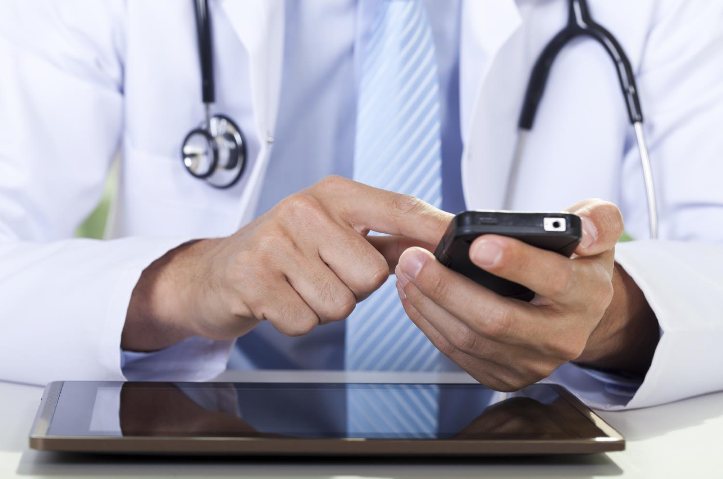
mHealth technology aims to enhance individual patient care and health through the adoption of mobile devices such as phones, tablets and wireless patient monitoring devices by those working in the medical profession and patients. “Simple technology like a basic SMS phone can support and strengthen the additional communication efforts that are already happening by connecting people to better, more accurate information faster than before,” according to Dana Zucker of the United Nations Children’s Fund (UNICEF).
As stated here, in the developing world, where the rural populations lack access to health care services and resources, mHealth technology has the potential to deliver the greatest benefits. The growing accessibility and affordability of mobile phones in these areas provide a ready-made platform for improved healthcare communication and service.
The report addresses the Global Goals for Sustainable Development, 2016, Goal #3, Health and Well-being Targets, including such topics as:
- Crossing the Urban-Rural Divide (Addressing the health disparities between rural and urban communities - critical in developing countries)
- At Risk Populations Including the Elderly, Mothers, Children & Adolescents (Ensuring access to mobile technology for the elderly, women, and children)
- Remote Disease Monitoring (Ensuring the accuracy and reliability of diagnostic applications for long-term care management) – recommendations include: self-monitoring tools to promote patient health ownership; secure and open information and communication technology (ICT) platforms; collaboration between new and traditional healthcare providers; and remote monitoring of high risk populations.
- Mobile Based Disease Surveillance (Understanding how remote mobile surveillance can help track and control outbreaks of contagious diseases) – recommendations include analysing the use of mobiles in the 2014-2015 Ebola outbreak; scaling up mobile subscriptions; incentivising joint approaches in crises; establishing innovation hubs that can assist with key problems facing humanitarian action; increase data collection and analysis; include an online interactive framework for data visulaisation and reporting; empower district-level reporting, including data verification and intervention; promote local technology, including modification and system integration; use stakeholder participation for system development, building capacity through supervision; and use open source and cost free mHealth infrastructure, including SMS messaging for improved health outcomes.
In conclusion, the author emphasises the necessity of providing resources and finances that will ensure that emerging solutions will be sustainable over the long-term so that communication and health care connect on multiple platforms to deliver innovative, practical, and efficient health care services to communities. As stated by Patrick Gordon, United Nations Office for the Co-ordination of Humanitarian Affairs: “All these digital forms of aid have one underlying dependency - and that is robust networks. None of this will actually work unless people - both the aid workers and the beneficiaries - have access to communications. Where communications was a 'nice to have' at one point, now it is a 'need to have'."
C4D Network Twitter Trawl of November 9 - 15 2015, accessed November 30 2015.
- Log in to post comments