










































Malaria Education: Tapping All Means of Outreach
This online report, published by AudienceScapes, details the results of a 2010 AudienceScapes survey in Tanzania to measure people's access to information in general, and access to health information in particular, as well as access to health services. The author states that the data yields some guidelines for public health professionals seeking to educate the public about malaria. The survey found radio continues to be the main source for news and entertainment for most of the population, with television remaining a luxury for those outside major urban centers.
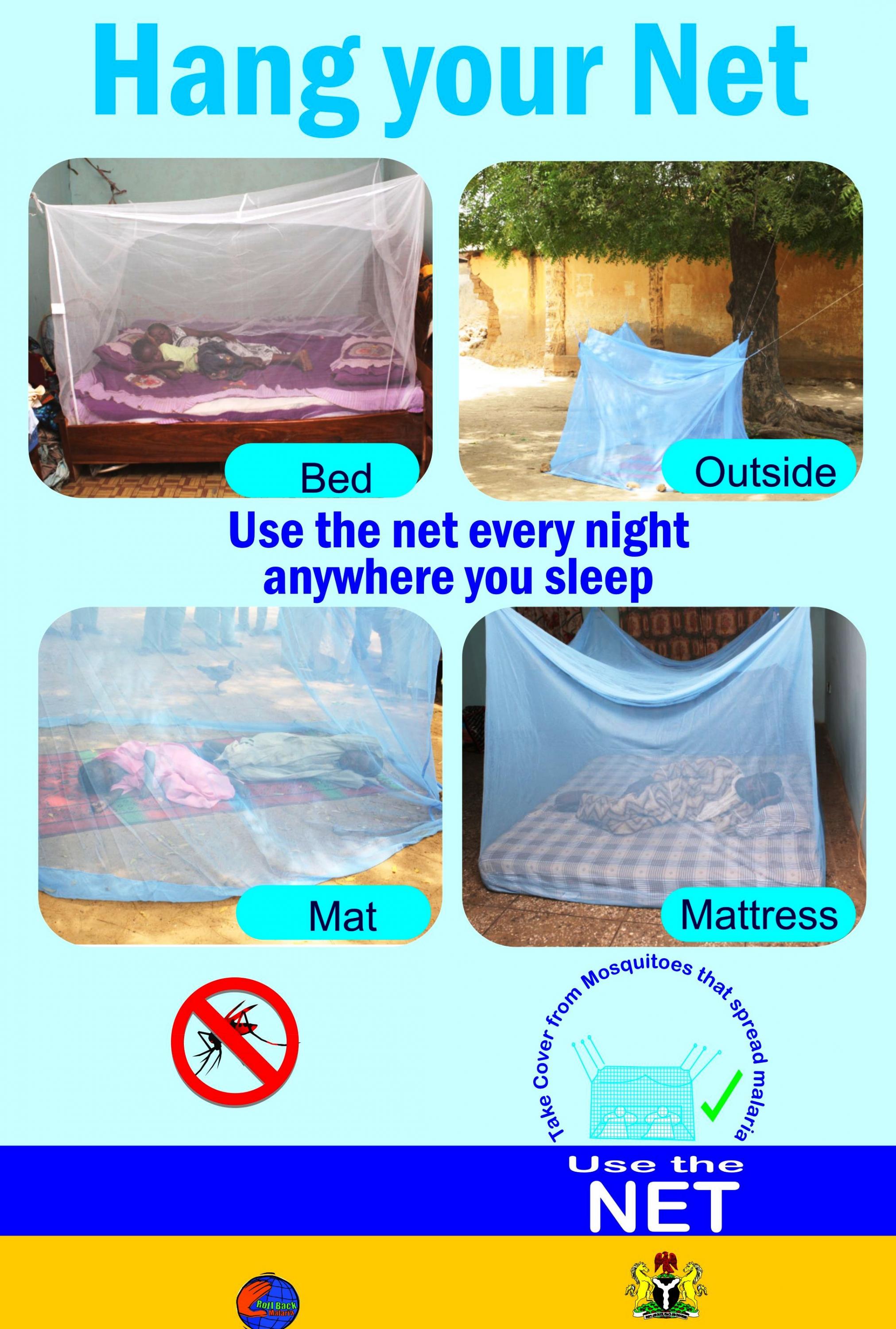
The large majority of TV viewers residing outside of Dar es Salaam tend to watch TV outside the home. In most provinces, less than half of TV viewers said they watch at home. Overall, the importance of television as a source for either news or health communication increases in areas like the capital where weekly TV viewership is twice the national average. The report states that use of mass media is also a key factor for some at-risk provinces. For example, only 29% of respondents in Kagera province said they had received information about malaria in the past month or longer. The province also had the lowest rate of weekly radio listeners in the survey. The reports says that this gap in general media exposure in Kagera is critical as radio remains the most useful mass media tool across the country. In 2008 and 2009, radio was a crucial part of the United States President’s Malaria Initiative’s behaviour change and communication education efforts through the broadcasting of messages stressing the importance of sleeping under bed nets, medical treatment adherence, and prevention measures.
However, the report also adds that word of mouth networks also require attention from public health workers, particularly among socio-economically constrained populations with low levels of access to media outlets. The report details one particular anti-malaria programme that recognised this media access gap and has utilised word-of-mouth mechanisms. The programme trained 1200 Community Change Agents in 11 regions on the proper use of insecticide-treated nets and malaria medications. These Change Agents were tasked to work closely with local Ministry of Health clinics. The clinics offer Change Agents a venue to identify at-risk populations and influential community members, along with an opportunity to share a more in-depth educational message than a mass media message might offer.
A majority of survey respondents said they receive enough information about malaria prevention. However, malaria is also one of the heath issues that many Tanzanians say they want more information about. The author states that this suggests a case of improper messaging, whether it is ineffective framing of the issue or the use of inappropriate communications mediums, and the need for improved message testing. The survey also found that, overall, the level of an individual's consumptions of news media appears to influence their level of exposure to information about malaria - the 17% of respondents who had not received malaria information during that past month or longer were also significantly less likely to be daily or weekly consumers of news media. More than 50% of this low access group resides in households earning US$ 2.00 a day or less, and around three quarters have only a primary education or less.
The report further adds that a large proportion of Tanzanians across the country said they have access to clinics and medical doctors. However, there is a there is great variability among respondents of different regions as to the usefulness of medical doctors as a source of information about malaria. This points to the need for increased outreach to clinics and hospitals in high risk provinces of the country.
Click here to read the full report online
AudienceScapes website on June 9, 2011.
- Log in to post comments