










































Lessons from Link Up! - Link Up Experiences of Reaching Adolescents Living with HIV
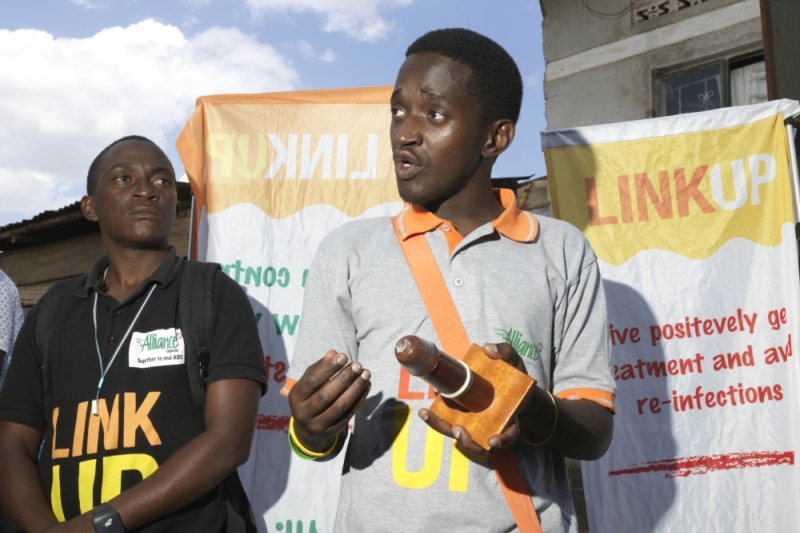
"ALHIV [adolescents living with HIV] have to manage a highly stigmatized sexually-transmitted condition, as well as the impact of this on their sexual health, relationships and emotional wellbeing. HIV services have failed to address the SRHR needs of this population, and there are major gaps in the provision of information, interventions and support."
This brief highlights new understanding and recommendations gained through the Link Up project around engaging and providing services for ALHIV. Link Up, implemented by the International HIV/AIDS Alliance and its partners, sought to improve the sexual and reproductive health and rights (SRHR) of 10-24 years olds affected by HIV. Over three and a half years (2013 – 2016), the project’s delivery of integrated HIV and SRHR programmes helped reach almost 1 million young people in Bangladesh, Burundi, Ethiopia, Myanmar, and Uganda (for more information, see Related Summaries below). This brief is based on data drawn from the Link Up monitoring system, research studies, community dialogues, and interviews with implementing partners and providers.
In particular, the brief seeks to a) gain a better understanding of how adolescents were reached and engaged; b) outline the key challenges encountered and the factors considered critical to success in reaching adolescents with services from the providers’, programmers’, and adolescents’ perspectives; and c) identify gaps and make recommendations for future adolescent programmes.
Key findings from Link Up indicate that adolescents:
- Do not seek out SRH services for multiple reasons including lack of awareness, stigma, and taboos;
- Are open to new experiences and willing to learn;
- Are receptive to peer influence; and
- Have limited knowledge of SRHR due to poor access to information.
In addition, service providers and family members lack the skills and experience needed to communicate effectively with adolescents.
The brief makes the point that the development, experiences, and world views of ALHIV are defined more by their age/life stage than by their HIV status; however, the barriers adolescents face in accessing reproductive health services – knowledge, resources, school/work/social life demands, treatment side effects, discrimination, etc. – are exacerbated for those living with HIV. Support that empowers ALHIV is considered essential to supporting their ability to not just survive but to live full, healthy lives with confidence and optimistic views for the future. Link Up’s strategies and approaches included:
- Peer-based interventions including group sessions led by ALHIV;
- Interactive activities such as music or sports events that conveyed key messages and information;
- A range of integrated interventions that allowed the services to be flexible enough to respond to adolescents’ diverse and constantly evolving individual needs, and to the different requirements of different age and population groups; and
- Engaging with parents and other gatekeepers in order to facilitate open discussions of adolescents’ SRHR and challenge cultural barriers to access.
Link Up also focused on integrating HIV testing and counselling into SRH services and providing capacity building training to support integrated services and improve not only clinical competencies, but also communications skills and attitudes. Link Up partners advocated for referral of adolescents to psychosocial support services.
The brief offers a set of recommendations for future programming for ALHIV. The recommendations focus on strengthening both clinical services and psychosocial support for ALHIV, advocating for ALHIV to have an active role in their health care decisions and to participate in planning, delivery, monitoring, and ongoing use of services. There are also recommendations related to improving skills such as the communications skills of parents and caregivers, and on reducing stigma. The brief also offers practical ideas to help achieve the recommendations. For example, to reduce stigma, the brief recommends: continuing community dialogues; investing in school-based interventions; and ensuring that ALHIV are informed about their rights and have access to mechanisms for reporting stigma and discrimination, especially within the health system.
The International HIV/AIDS Alliance is taking learning from Link Up into new programming through a new portfolio of work called READY. Click here to read more about READY.
International HIV/AIDS Alliance website on October 12 2017; and email from Laura Mundy to The Communication Initiative on November 16 2017. Image credit: © 2016 International HIV/AIDS Alliance
- Log in to post comments