










































Integrating Mobiles into Development Projects
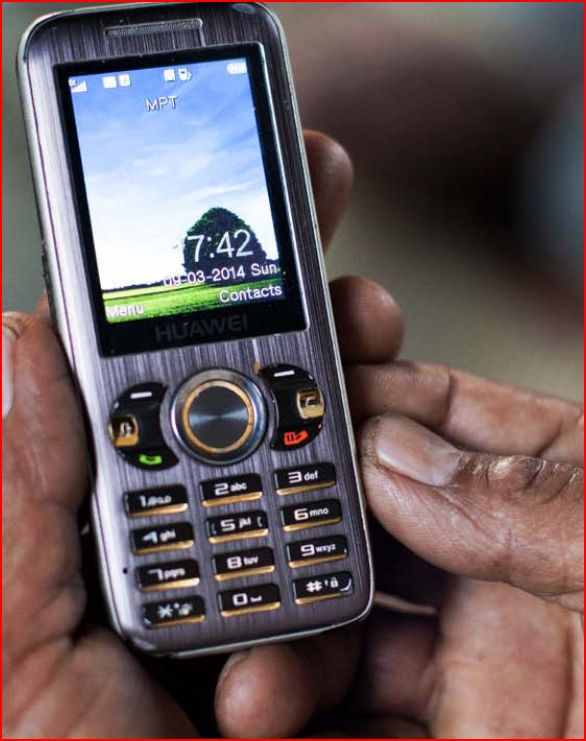
"Since the mobiles for development space is evolving rapidly, the handbook is intended to equip readers with a set of questions to ask when using or considering mobiles, rather than providing a prescription for how to use mobiles in a given country or sector."
The Integrating Mobiles into Development Projects handbook is intended for anyone interested in integrating mobile phones into development projects more effectively, though the focus is on reaching United States Agency for International Development (USAID) staff. Most of the examples highlighted are from Southeast Asia, although the relevance of the content is global.
The resource is divided into two sections. The first section is entitled Understand, and is meant to be an in-depth guide on mobiles for development (M4D). The section includes, for example, lessons learned, including this one on the need for collaboration, not isolation: "A couple of years ago in Uganda, there were so many organizations implementing their own mHealth initiatives across the country that the Ministry of Health had to issue a letter ordering a halt of new initiatives until a framework was put in place to coordinate these efforts. Unfortunately, it is not uncommon for development organizations to work in isolation on their M4D initiatives. In the case of USAID-funded projects, Mission staff can help to prevent this by taking the same proactive steps towards enabling collaboration as the government of Uganda."
Entitled Implement, the second section provides practical tips and information related to integrating mobiles into a project in practice. For example, one component here provides an introduction to some of the commonly used indicators for determining the impact of mobile-based activities, as well as tips for assessing project outputs and evaluating the impact that mobiles are having on a project. The section also addresses language issues, such as the fact that language scripts for mobile texting are not always available for each local language. In addition: "While mobile phones can send SMSs up to 160 characters long for Latin-based scripts, that number can be as little as 70 characters for non-Latin-based scripts, such as Thai or Khmer. This, plus the fact that the average number of characters per word varies by language, means that the amount of information that can be included in one SMS can vary greatly by country."
The two sections and each component within them are designed to be complementary, although they do not need to be read sequentially. Call-out boxes and tips are placed throughout the handbook to allow the reader to scan and identify specific issues of interest. Worksheets and other relevant resources, several of which are editable forms that the user can type directly into, are included. The resources section also includes a glossary of terms, an M4D inventory, and list of USAID projects using mobiles, which provide an overview of various mobile services and applications being used in development programmes in Southeast Asia.
This handbook was developed by FHI 360 and OpenRevolution, with funding and support from USAID's Regional Development Mission for Asia (RDMA) through the Mobile Solutions Technical Assistance and Research (mSTAR) project.
149
Email from Josh Woodard to Soul Beat Africa on August 26 2014 and to The Communication Initiative on April 8 2015.