










































Integrated Mental Health Radio Programme
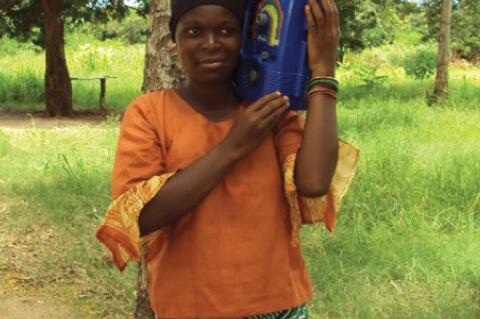
The project was initiated in Zambia following a year trial in Malawi. According to Farm radio International, depression is a widespread and serious illness that affects people throughout the world, usually beginning during youth. About 5-7% of adolescents in Malawi and Zambia suffer from depression. However, the awareness of the mental disorder remains low and is often stigmatised, creating barriers to access to support and treatment. Over the three-year period, the project will build mental health literacy through a series of peer training sessions, and will also work with 5 radio stations in Malawi and Zambia to broadcast interactive radio programming about youth depression.
Through this integrated approach, the partners are working to strengthen the capacity of education and health systems to ensure that young people who recognise they are suffering from depression can identify where to get help, and receive appropriate care. The project is working in partnership with Dr. Stanley Kutcher from Dalhousie University in Halifax, Canada, who has developed mental health curricula and training programmes.
The radio programme is called "Nkhawa Njee", which means "Depression free". Five radio stations are participating, three in Malawi and two in Zambia. The radio campaign works with youth, counsellors, teachers, mental health experts and health providers to develop interesting youth-focused programmes that are content-rich, accessible, and entertaining. Programmes will be broadcast for one school year (8 months), and will be directed toward specific, measurable learning and behaviour outcomes. Producers will work wth mental health champions in each country, who will assist with ensuring that the content of the campaign is accurate, culturally appropriate, and tailored to local needs. The campaign will include building the capacity of each of the partner stations to make youth-centered, entertaining radio programmes, to use ICTs effectively, and to deliver accurate information about youth depression.
Mental Health, Youth
According to Harry Kawiya, the psychiatry clinical officer of Zomba Mental Health Hospital, depression is the fourth most common health problem in Malawi. And the age of onset for depression ranges from 12 to 25, which indicates that young people are the most vulnerable. Youth with this illness are unable to function in school or work, withdraw from their families and social networks, experience pain and continuous grief, and are at risk of committing suicide. With the right support services, it can be overcome, especially if it is identified and treated quickly. But in southern Africa and elsewhere, people with depression experience, at best, misunderstanding and lack of appropriate care and, at worst, stigma, discrimination, and isolation, making the impact of the illness much worse.
The goal of the project is that by the end of the 36 months, 5 stations will have aired 200 hours of mental health programming in Malawi and Zambia. At least 40 mental health trainers, 350 peer educators, 120 go-to teachers will have received training, and mental health literacy sessions will be provided to to 12,000 youth.
Guidance Counselling and Youth Development Centre of Africa, Farm Radio Malawi, Dalhousie University
Farm Radio website, Integrated Mental Health in Malawi and Zambia Project Brief [PDF], and Farm Radio website on October 30 2013.
- Log in to post comments