










































1 minute
Integrated Family Life Education into Distance Learning during COVID-19 Closures in Kinshasa, DRC
Abstract for Preformed Panel Presentation from the 2022 International SBCC Summit in Morocco:
"During the COVID-19 pandemic, the DRC's Ministry of Primary, Secondary and Technical Education adapted core school curricula to TV and radio to enable children's access during school closures. Comprehensive sexual education (known as Family Life Education (FLE)) was initially not included in the broadcasts. In response, Save the Children partnered with DRC's Directorate of Life Skills Education to adapt FLE material from Growing Up GREAT! - a gender norms-shifting SRH intervention for VYAs, ages 10-14 years. A mixed-methods study was conducted to: 1) document how FLE was incorporated into the broadcasts, and 2) understand the experiences and acceptability of the FLE distance learning among adolescents, parents, and implementing partners. Data sources include program monitoring data, survey data from the Global Early Adolescent Study (n=397) and semi-structured individual interviews among 13 adolescents and 12 adults. A total of 64 core and FLE lessons were broadcast a cumulative 192 times on TV and radio. FLE lessons were watched or listened to by 13% of adolescents. Of adolescents who had seen the FLE lessons, almost all reported that it helped them improve their knowledge of: contraceptive methods; prevention of abuse and sexual violence; and gender-equitable behaviors. Access to televised programs was more prevalent among boys than girls. Electrical outages were the biggest barrier to viewership. Broadcasts on FLE topics are a feasible and acceptable mode of education in the urban DRC context. This approach may be a useful mode of education in times of crisis-related school closures."
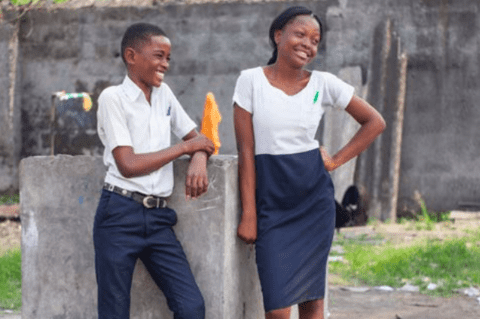
Approved abstract for the 2022 SBCC Summit in Marrakech, Morocco. From SBCC Summit documentation. Image credit: The Institute for Reproductive Health