










































How to Mainstream Gender in Forestry - A Practical Field Guide
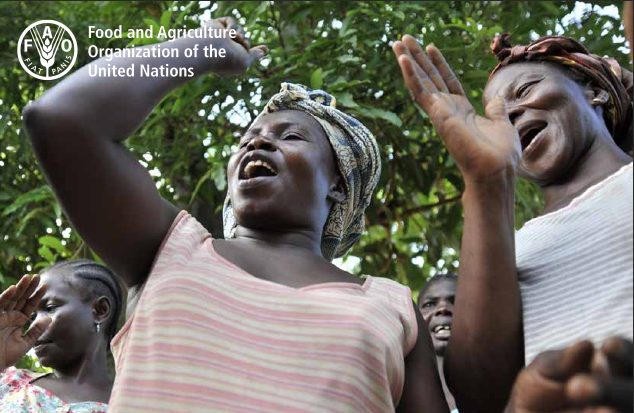
The United Nations describes gender mainstreaming as the process of assessing any planned action’s implications for women and men and “making the concerns and experiences of women and men an integral part of the design, implementation, monitoring and evaluation of policies and programmes…so that men and women benefit equally…” This gender mainstreaming guide, published by the Food and Agriculture Organization of the United Nations (FAO), was designed to assist the organisation’s technical officers, especially those working in forestry, to develop actions that ensure their forestry-related projects and programmes meet those goals. The guide describes how to conduct a gender analysis, identifies key opportunities and tangible steps for gender mainstreaming, and discusses the value of and approaches to collecting gender-disaggregated and other relevant data to support mainstreaming efforts within forestry programmes.
The guide begins with a gender analysis section presenting:
- a set of basic questions to use to identify the roles, needs and priorities of men and women at the household, local, national, regional and global levels
- a set of in-depth questions that can help provide greater insights on gender, relevant gender-related rights and norms, and the intersection of these with the project or programme
- a data recording tool (see Annex 1)
- six steps to take after the data has been collected to support the design, implementation, monitoring and evaluation of gender-responsive activities and actions within a project or programme. The guide suggests other tools available to facilitate completion of each of the steps and Annex 2 provides a tool to support integrating gender into a logical framework.
The guide then describes key opportunities for gender mainstreaming, focusing on:
- Increasing women’s participation in forestry management and enterprise, village administration, and higher level institutional decision-making.
- Capacity development for men and women and the key steps necessary to identify, design, and implement activities and disseminate lessons learned.
- Approaches to improving gender mainstreaming in institutions with a set of practical actions that could be taken, involving different types of organisations and different approaches to addressing identified needs.
The guide argues that “there is a major lack of sex-disaggregated and socioeconomic data in the forestry sector” and suggests that addressing gaps in data could assist in the development of gender-responsive policies, strategies, frameworks, and programmes. Practical considerations for designing gender-sensitive surveys are presented along with four quantitative indicators and three qualitative indicators. Finally, the guide references relevant FAO and other resources that readers can turn to for more in depth information.
English
12
FAO website on January 31 2017.
- Log in to post comments