










































How Change Happens
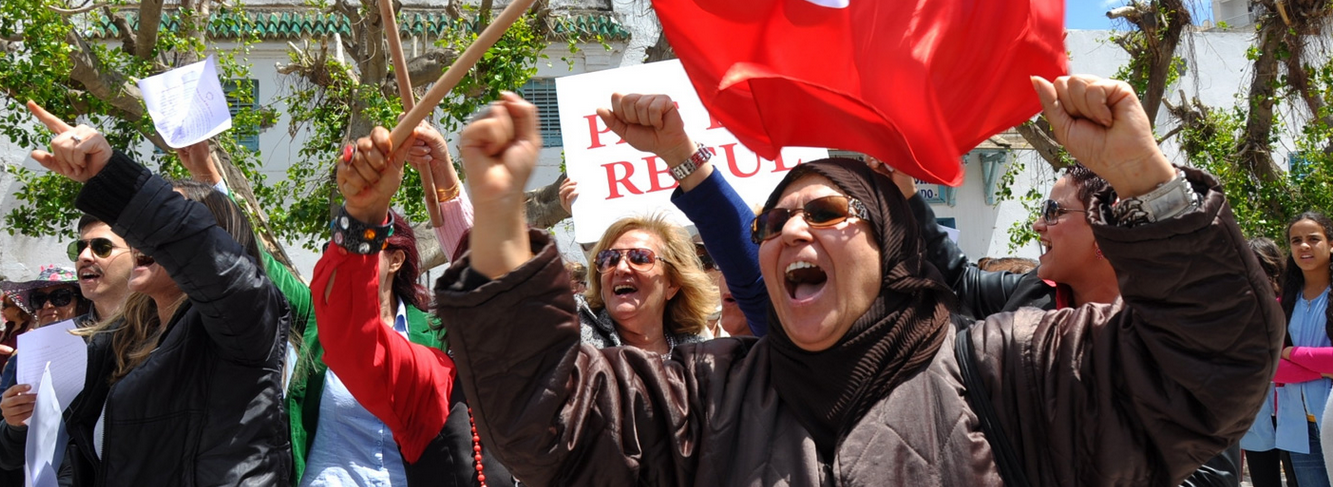
“Despite the fact that much of human history has been about attempting to create different realities, we do not understand the process of social change very well.”
In this book, the author combines research with practical experience to explore the topic of social and political change. Drawing on many first-hand examples, insights from the social sciences, and experiences in international development, it seeks to understand how power and systems shape change, and how they can be influenced.
Intended for activists, campaigners, development practitioners, lobbyists, entrepreneurs, individuals, and organisations who want to change the world, the book offers a framework for understanding social change by focusing on power analysis and systemic understanding - known as the ‘power and systems approach’. As explained in the book, “[T]he power and systems approach emphasizes that, in order to generate social change, we first need to understand how power is distributed and can be re-distributed between and within social groups: the emancipation of women; the spread of human rights; the power of poor people when they get organized; the shifting power relationships behind the negotiations around the international economic system. While emphasizing the role of power struggles, the book does not see them as voluntaristic clashes of raw forces, in which whoever has more arms, money, or votes wins. It tries to situate those power struggles within complex systems that are continuously changing in unpredictable ways, affecting and being affected by diverse factors like social norms, negotiations, campaigns, lobbying, and leadership.”
The book is divided into four parts. Part I sets out the conceptual underpinning of the book, an effort to understand change through the prism of complex systems, power, and social norms. Part II discusses some of the main institutions that are both the object and subject of most change processes: central government, legal systems, political parties, and other channels of accountability such as the international system, as well as large transnational corporations. Part III discusses some of activism’s main players: citizen activists, advocacy organisations, and the role of leadership. And Part IV explores the implications of the author's analysis for individual activists and their organisations, fleshing out the power and systems approach.
The author explains that the book is not intended as a manual - “[I]nstead it offers a combination of analysis, questions, and case studies, with the aim of helping readers look afresh at both the obstacles and the enthralling processes of change going on all around them, and to gain some new energy and ideas about how to contribute.”
The book contains the following sections:
Introduction
Part I: A power and systems approach
- Systems thinking changes everything
- Power lies at the heart of change
- Shifts in social norms often underpin change
- Case study: The Chiquitanos of Bolivia
Part II: Institutions and the importance of history
- How states evolve
- The machinery of law
- Accountability, political parties, and the media
- How the international system shapes change
- Transnational corporations as drivers and targets of change
- Case study: The December Paris Agreement on climate change
Part III: What activists can (and can’t) do
- Citizen activism and civil society
- Leaders and leadership
- The power of advocacy
Part IV: Pulling it all together
- A power and systems approach to making change happen
Conclusion
Index
English
268
How Change Happens website on November 2 2016.