










































Harnessing the Potential of ICTs - Literacy and Numeracy Programmes using Radio, TV, Mobile Phones, Tablets and Computers
“It is my hope that this publication contributes to the advancement of innovative and effective ICT-oriented solutions for literacy teaching and learning. It should support the building of a more solid knowledge base for what works (and what doesn’t) in the field of adult literacy programmes using ICTs.” Arne Carlsen, Director, UNESCO Institute for Lifelong Learning (UIL)
This compilation of case studies from all world regions presents promising literacy and numeracy programmes that use information and communication technologies (ICTs) in their access and outreach strategies. The twenty-six case studies in this report illustrate how ICTs such as radio, television, mobile phones, tablets, and computers can be used as media of instruction, can supplement face-to-face teaching, and can help to develop and strengthen youth and adult literacy, language and numeracy skills. It is hoped that the creative solutions and strategies highlighted in the publication will encourage literacy stakeholders, including policymakers, programme providers, and practitioners, to invest in new technologies that address the learning needs of young people and adults with lower skill levels in reading and writing. This is the second edition of the publication (the first edition was published in 2014), which has been updated with new case studies.
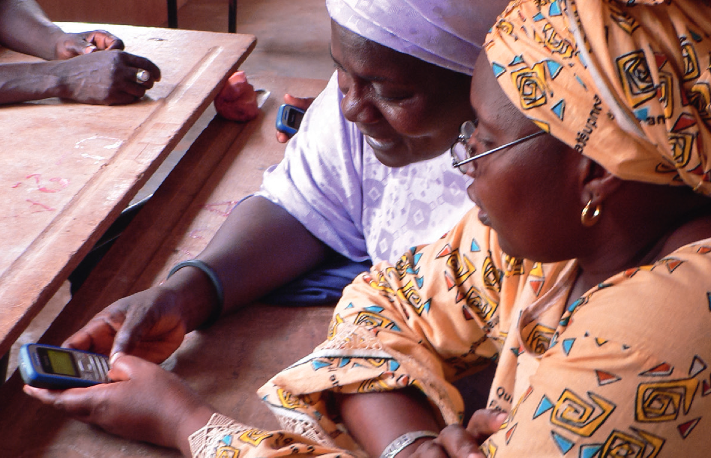
To mention just a few examples of how ICTs are being used to teach literacy and numeracy, the case studies from Cape Verde, Panama, Solomon Islands, and Somalia show how radio helps to preserve local cultures and languages while contributing to global understanding and promoting development, lifelong learning, and cultural diversity. In Mongolia, a face-to-face teaching strategy is supplemented by a distance learning mode using radio, video-CDs, and DVDs. The case study from India highlights how millions of newly literate people can be motivated to further develop their reading skills by combining this practice with the consumption of popular culture on TV. The case studies from Afghanistan, Brazil, Cambodia, Iraq, Niger, Pakistan, Senegal, and the United Kingdom show how smartphones and tablets - the most recent generation of ICTs - are outperforming other technologies because of their independence from landlines and because they provide the opportunity to include interactive learning features. Some case studies also highlight the empowering impact of mobile technologies on young and adult women, such as the Cambodian Pink Phone project, which shows how mobile technology has empowered women leaders at grassroots level to reduce domestic violence incidents in their communities by enabling them to take action in a timely manner. The collection also looks at the use of web-based learning programmes through computers from Brazil, Canada, Colombia, Costa Rica, Germany, Ireland, Jamaica, Kenya, Lebanon, and Turkey.
However, despite the wide and creative potential of using ICTs to promote literacy, the case studies also show that harnessing the potential of ICTs is challenging, particularly in rural contexts with poor infrastructures. Most countries are still too far removed from conditions that would allow them to use ICTs optimally, although the rapid development in smartphone technologies may change this.
Overall, as stated in the report, “[T]he experiences documented in this publication show that the practice of effectively integrating ICTs into the teaching and learning of literacy and numeracy is not a simple one-step process. It involves a series of deliberate decisions, preparatory actions, creativity and pilot testing.” In addition, "[A] successful approach to introducing ICTs in the teaching and learning of literacy and numeracy recognizes the central role of facilitators, educators or teachers who do not only need to be convinced of the benefits of ICTs and sufficiently trained in its pedagogical use, but also should be actively involved in the early stages of planning and developing such learning systems.”
The following is a list of the case studies included in this compilation. Each case study offers the following information: country profile, programme overview, context and background information, programme description, objectives, approaches and methodologies, programme impact and achievements, lessons learned, and contact details.
Africa
- Cabo Verde - Distance Learning for Adults: Radio ECCA
- Kenya - Empowering Self-help Groups through ICT for Better Education
- Niger - Alphabétisation de Base par Cellulaire (ABC): Mobiles 4 Literacy
- Senegal - Literacy Project for Girls and Women using ICTs
- Senegal - Jokko Initiative
- Somalia - Somali Distance Education and Literacy
- South Africa - Bridges to the Future Initiative
Arab States
- Iraq - Civic Education Information Service for Female Iraqi Leaders
- Lebanon -Adult Literacy Using Information Technology (ALIT)
Asia and the Pacific
- Afghanistan - Mobile Literacy Programme
- Cambodia - Pink Phone
- India - Reading for a Billion: Same Language Subtitling
- Mongolia - Literacy through Distance Learning
- Pakistan - Mobile-based Post Literacy Programme
- Solomon Islands - Community-based Radio Network for Development and Learning
Latin America and the Caribbean
- Brazil - Programa de Alfabetização na Língua Materna (PALMA)
- Colombia - Virtual Assisted Literacy Programme
- Colombia - Sistema Interactivo Transformemos Educando
- Costa Rica - Information and Communication Technologies in Andragogical Mediation
- Jamaica - AutoSkills
- Panama - El Maestro en Casa
Europe and North America
- Canada - AlphaRoute
- Germany - Ich will lernen
- Ireland - WriteOn
- Turkey - Web-based Literacy Programme
- United Kingdom of Great Britain and Northern Ireland - Maths Everywhere
The case studies featured in this publication can also be found in the United Nations Educational, Scientific and Cultural Organization (UNESCO) Effective Literacy and Numeracy Practices Database (LitBase).
English and French
157
UNESCO Institute for Lifelong Learning website on May 30 2017.
- Log in to post comments