










































Gender Responsive National Communications Toolkit
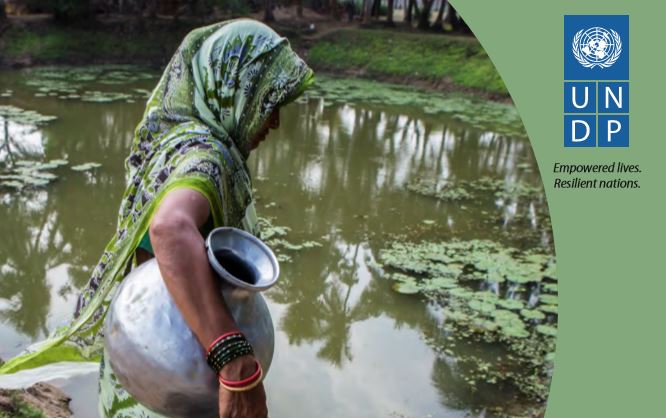
This toolkit from the United Nations Development Programme (UNDP) was created "to strengthen the capacity of national government staff and assist them in integrating gender equality into the development of National Communications (NCs)." As described in the toolkit, "National Communications (NCs) are progress reports by signatories of the United Nations Framework Convention on Climate Change (1994). NC reporting processes can be an "entry point for training, awareness-raising and capacity-building efforts. Preparation of reports can also influence other, ongoing climate change planning and policymaking processes. As such, the toolkit can support Biennial Update Reports and planning documents such as National Adaptation Plans (NAPs), and inform the development and/or implementation of Intended Nationally Determined Contributions (INDCs), national and sectoral Gender and Climate Change Plans, and the strategic plans of individual government agencies. This toolkit can also inform sector policies related to both social and natural resource issues." The toolkit is intended for government staff as well as technical experts, non-government and community organisations, and staff of development agencies.
It is divided into two main sections, each of which provides information and guidance to support genderresponsive National Communications. The first section provides the rationales for integrating gender equality and women’s empowerment issues into climate change reporting. The second section is broken into three parts and examines approaches and information relevant to integrating gender into the required framework of NC reporting. In each section, the toolkit provides references, advice, options, and examples. In this way, the kit shows that despite local circumstances, geographic differences, and levels of development, "gender is relevant to NCs and the topics reflected therein."
The toolkit also provides context and information on a range of issues; good practice examples; and lessons learned. Issues examined include:
- How climate change impacts men and women in sectors such as energy, agriculture and waste management, as well as their different vulnerabilities to climate risks and the ways in which they seek to adapt to climate change.
- How women and men are differentially engaged in supporting or reducing greenhouse gases and how including gender analysis into greenhouse gas inventory reporting can contribute to reducing emissions.
- How men and women are innovating and adopting both new and old technologies to mitigate climate change.
Finally, the toolkit looks at steps required to ensure the sustainability of gender-responsive climate change reporting. This requires ensuring commitment, funding and integrated capacity development across sectors, and using gender indicators and sex-disaggregated data for monitoring.
English
61
UNDP website, April 24 2016.
- Log in to post comments