










































Gender Barriers to Polio Immunization in Nigeria: Literature Review
"Addressing the geographic and gender-related factors affecting vaccination uptake and healthcare-seeking behavior for polio-like symptoms can help identify key levers to improve ...outcomes."
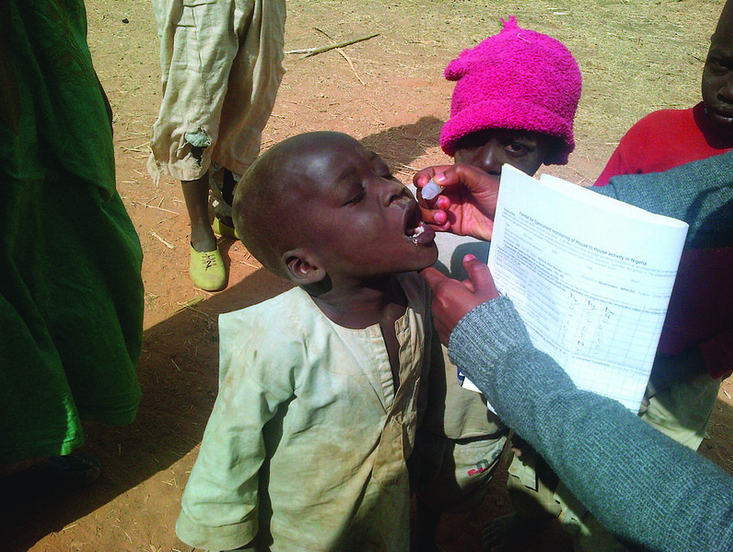
In Nigeria, lack of progress in combating polio in some northern regions of the country has significantly affected eradication efforts. The Bill and Melinda Gates Foundation's (BMGF) polio team engaged the University of Washington's Strategic Analysis, Research & Training (START) Center to conduct a literature review identifying gender-related factors influencing Nigerian female caretakers' decisions to vaccinate and/or to seek care for their young children. The goal was to enhance understanding of the gender-specific barriers and facilitators to immunisation and healthcare access, ultimately supporting BMGF's efforts to eradicate polio in Nigeria.
The review screened over 1,700 articles, resulting in 61 relevant articles included in this analysis. START analysts then conducted a rapid thematic analysis to identify key themes and considerations. Findings fell into three categories:
1) Gender-related factors: caretaker
Women predominantly serve as primary caretakers within families, influencing healthcare decision making and vaccine uptake. Identified barriers include:
- Caretakers' schedules/daily patterns - Caretaking duties and work result in significant time and travel constraints, introducing challenges in attaining vaccination.
- Birth experiences - Experiences during childbirth have significant influence on women's trust and decisions regarding healthcare for themselves and their children.
- Lack of education and literacy- Lower educational and literacy levels among women impact understanding of vaccine benefits and schedules, reducing vaccine uptake.
2) Gender-related factors: intra-household
Intra-household gender dynamics are shaped by complex societal power structures and unique family relationships. In turn, intra-household dynamics can play a critical role in influencing vaccine decisions, often introducing barriers to vaccine acceptance and access.
- Spousal influence - Husbands have a demonstrable influence on the healthcare decisions of their wives, impacting vaccine uptake of families based on their vaccine and healthcare beliefs and perceptions.
- Influence of elder males - Elder males in positions of authority within communities, religious groups, and families have influence on opinions and decisions related to vaccination.
- Influence of elder females - Elder females within the family, such as grandmothers, mothers-in-law, and aunts, influence health decisions, including vaccinations, through advice and traditional practices.
- Sex of child - Cultural values and biases towards male vs. female children and decisions about their health can affect caregiver vaccination decisions.
3) Gender-related factors: communities and contexts
The relationships between gender and community contexts and healthcare environments have impacts on vaccine demand and uptake, particularly when looking at the gender of who is delivering care, as well as vaccine misinformation within the community.
- Gender of health workers - The gender of health professionals has influence on vaccine acceptance due to individual preference or trust of practitioners of a specific gender.
- Gender of campaign workers - The gender of individuals leading vaccination campaigns can affect how these initiatives are received and trusted within different communities.
- Vaccine misinformation - Misinformation related to the effects of vaccines on pregnancy and fertility disproportionately affects women, resulting in hesitancy and reduced vaccine uptake due to fears and misconceptions.
- Autonomy in decision making and movement - Cultural and social norms can limit women's autonomy in health-related decision-making and their freedom to travel.
These gender factors exist in a larger, complex environment and are inextricably interconnected with additional factors, which are highlighted throughout the report. For example:
- A female caretakers' environment, social sphere, and personal experience dictate her healthcare journey map, from birth to immunisation of their children.
- In Northern Nigeria's nomadic communities, influential males, particularly religious leaders, hold sway over vaccination perceptions. Multiple highly relevant studies from the state of Zamfara are featured in the report; there is opportunity to learn more about other states such as Sokoto, Kebbi, and Katsina, as well as additional ethnic experiences, such as the Fulani.
- Shifting beliefs and behaviours around polio dictate understanding of and response to polio-like symptoms. Factors include myths, unorthodox traditional care, barriers to orthodox care, and the influence of family members.
Despite significant insights from the literature, there are gaps and limitations that might suggest avenues for future research, such as:
- Representation of the full range of immunisation delivery strategies: Data comparing different immunisation strategies, such as door-to-door campaigns versus routine clinic visits, are lacking but could be critical for improving vaccination initiatives.
- Capturing the complexity of family structure and its influence on care-seeking behaviour: The effects of diverse family structures, such as polygamous households, on vaccination uptake are poorly documented, impeding understanding of how familial contexts influence health behaviours for caregivers.
- Information on accessing vulnerable populations: Limited data exists on strategies to reach hard-to-access, vulnerable populations, as well as on the impact of current political environments on immunisation efforts.
Gates Open Research https://doi.org/10.21955/gatesopenres.1117102.1. Image credit: CDC Global via Flickr (CC BY 2.0)
- Log in to post comments