










































End FGM/C Social Change Campaign
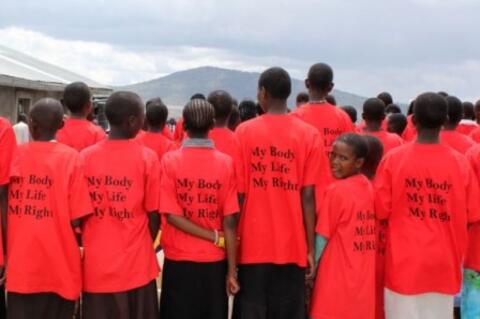
The programme is designed to catalyse a global movement to end FGM/C through programming for social change, building a supportive enabling environment, and conducting research and learning to create an evidence base for future work. Three core values underpin the campaign: do no harm (which can result from insensitive and poorly designed initiatives); African leadership and ownership; and recognising FGM/C as violence against women and girls.
In order to create a united movement, the campaign also supports a network of national coalitions and grassroots activists based in 10 focal countries in Africa. Within these countries, the campaign will help to provide activists with resources such as communications expertise and products to support social norms change and accountability. Activities include mass media campaigns, developing and distributing communications resources for frontline workers and community groups, and working with journalists and civil society groups to promote accountability and encourage governments to honour their human rights commitments to protect girls and women from FGM/C.
Outside of Africa, the campaign is working to mobilise a critical mass of people, organisations, and donors, as well as raise financial resources to end FGM/C and promote increased political will to tackle the issue. It is mobilising Africans living in the Diaspora to contribute skills and resources to support efforts to end FGM/C in their countries of origin. Activities include heightening global web and social media presence for FGM/C, high profile media events, recruiting of ambassadors to speak for the cause, and leveraging additional funds, resources, and political commitments.
According to the organisers, detailed research, consultation, and technical appraisals where undertaken to inform the design of the overall strategy and implementation plan.
Female Genital Mutilation/Cutting, Gender, Rights
United Kingdom Department for International Development (DFID), Equality Now, FORWARD, Ogilvy Africa, Options Consultancy Services, Advocacy International
Options website, End FGM/C Social Change Campaign Brief [PDF], Advocacy International website, and DFID website on September 18 2014.
- Log in to post comments