










































Developing Women Leaders Through Community Radio in Senegal
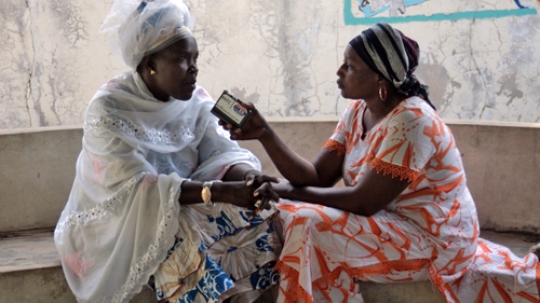
This 8-page technical brief shares the experience and insights gained from World Education's "Women's Leadership: Civic Leadership and Journalism" programme, which was designed to empower women and promote gender equality in the Thiès and Diourbel regions of Senegal by giving women a voice through their local community radio. By training women journalists, improving the gender responsiveness of the local radio station, and engaging with both men and women in the community, the programme has enabled women to take on new leadership roles, as well as contribute to community development and women’s empowerment through practical measures.
World Education, in collaboration with local partner Association Rurale pour la Lutte Contra la SIDA and with the support of the United States Agency for International Development, launched the Women’s Leadership and Civic Journalism programme in October 2010. As part of the initiative, "women reporters produce content for the radio by engaging with community members through listening groups and other forms of community dialogue and advocacy," while radio station management receive training to be more gender aware. Listening groups comprised of both women and men are a space for discussion, while also helping to inform the programming through feedback. The programme also addresses practical issues that might impede women’s participation through income-generating activities and a community health insurance programme. The programme works in 60 villages in 13 rural communities. Partner station, Guindiku FM, reaches over 500 villages that are home to approximately 450,000 people.
According to the brief, there is evidence that this approach has resulted in community-level improvements in local service delivery, economic opportunities for women, and access to local decision-making positions for women. The report outlines a number of quantifiable achievements, such as (as of October 2012): 60 women trained and working as community-based correspondents; 900 women and 300 men participated in listening groups; 2,047 radio programmes broadcast related women’s leadership and gender equity; and 2,400 women joined community health insurance plans.
In addition, there have been improvements to programming at Guindiku FM which "now supports a full schedule that features programming on women's issues, health, education, political participation, human rights, and entertainment." This programming is complemented by listening groups, training of women community journalists, and community outreach which have resulted in improved awareness, engagement, and actions around gender equality and women's empowerment.
World Education attributes the achievements of the project to the following:
- "the strength of local partners;
- program design that links the powerful tool of community radio with concrete activities in communities, efforts to engage all stakeholders (religious, traditional, and governmental leaders), including those who would be potential barriers to program success; and
- program implementation that was flexible enough to respond to the interests and needs of the community members and resulted in a more holistic approach to increasing women's leadership."
Despite successes, the brief makes the point that prevailing social norms and potential opposition to women's leadership require that efforts be continued and sustained in order for the progress that has been achieved to be maintained and extended.
World Education website on January 29 2015.
- Log in to post comments