










































1 minute
Content Development and Communication Methodologies: A Manual for Community Radio and Other Communication Interventions for Development in Southern Africa
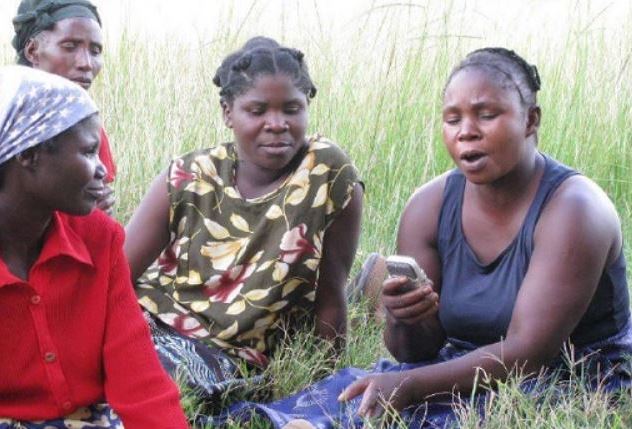
Produced by Panos Institute Southern Africa (PSAf), this booklet profiles the content development and communication strategies and methodologies PSAf has used in its information for empowerment and development programmes in governance, health, media, and environment and natural resources management. The booklet outlines and explains the strategies, which include radio listening clubs, interactive radio programmes, oral testimonies, as well as the production of policy briefs and toolkits. As stated in the publication, "The PSAf content development and communication methodologies are aimed at empowering poor and marginalised communities with information necessary for them to make informed decisions, build their knowledge and broaden their opportunities so as to add their voice to, and influence the socio-economic development process in their favour. In essence, the methodologies accord the communities the power to drive their own development agenda."
The booklet was produced so that users can better understand how Panos works, and also to encouraget readers to try similar methods in their own work.
The manual consists of the following chapters, each focussing on a different methodology:
- Chapter 1: Goal of the methodologies
- Chapter 2: Radio listening clubs
- Chapter 3: Interactive radio programmes
- Chapter 4: Roundtable discussions and debates
- Chapter 5: Direct response radio programmes
- Chapter 6: Oral testimonies
- Chapter 7: Media fellowships
- Chapter 8: Policy briefs
- Chapter 9: Vox populi
- Chapter 10: Research and survey reports
- Chapter 11: Manuals and toolkits
English
36
PSAf website on October 29 2015.
- Log in to post comments