










































Connected Women 2015: Adaptation Framework for the Mobile Technical Literacy Toolkit
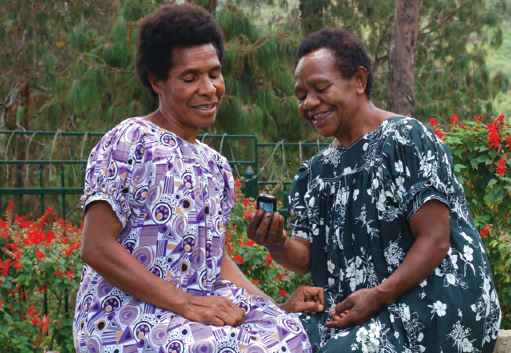
“Not being able to operate a phone is one of the most reported barriers to women adopting and using mobile technology and ultimately accessing life-enhancing mobile services in low- and middle-income markets globally.”
The Group Speciale Mobile Association Connected Women programme works to bring socio-economic benefits to women through the greater inclusion of women in the mobile phone industry. The programme focuses on closing the digital skills gender gap and encouraging female leadership in mobile technologies worldwide.
Extensive research has shown that women value the use of mobile technology as a means to enhance their lives. Using mobile phones helps women feel more: empowered; better connected to their family, friends, and community; and better equipped to save money and access new opportunities. Despite these advantages, women tend to use mobile technology at a rate significantly lower than men, in part due to lower levels of mobile ownership, lower technical literacy rates, and lower confidence levels.
In 2014 and 2015, the Connected Women programme worked with local partners and community groups in Papua New Guinea to develop the Connected Women Mobile Skills Toolkit (see Related Summary at the bottom of this page), a resource to improve women’s mobile phone literacy and technical skills. Although such toolkits can be helpful to women in other regions, it was recognised that a “one-size-fits-all” approach would not be effective. Instead, adapting the Mobile Skills Toolkit requires additional research and design input relevant to individual regions served. The Adaptation Framework delivers a process that any non-governmental organisation (NGO) or community group can use to teach women how to use mobile phones and their features.
The framework provides an outline of five simple steps to research and design a training that is tailored to fit the needs of a specific community. Because women’s lives vary across cultural, economic, and geographical sectors it is important to invest time in understanding these different contexts and develop local partnerships to establish trust and participation among women. The five steps are as follows:
1. Scope - Understand the community where the toolkit will be used. How do factors such as education, social status and age affect mobile phone usage among women? What are the barriers to women learning and are they being addressed by other programmes?
2. Understand - Develop an understanding of current technical and literacy skills among the target community. Tools include surveys, individual interviews or focus group discussions. What do women in a target community need and want from a mobile phone? How do they prefer to learn?
3. Design and Create - Identify topics to include in a toolkit and materials needed to deliver messages effectively. Work with test groups to provide feedback before and after the toolkit is designed. What is the best way to engage women during the training? What means of communication can be used to deliver information accurately?
4. Test and Deliver - Identify the best way to deliver information. Is it through a workshop or a smaller group session? What kind of supporting materials can be used to amplify the effects of a workshop?
5. Evaluate and Refine - Assess the success of a training programme. Did participants change their behaviour after the training? What components of the training did they find to be most, or least, successful?
English
43
GSMA website, March 2 2015.
- Log in to post comments