










































The Change Initiative
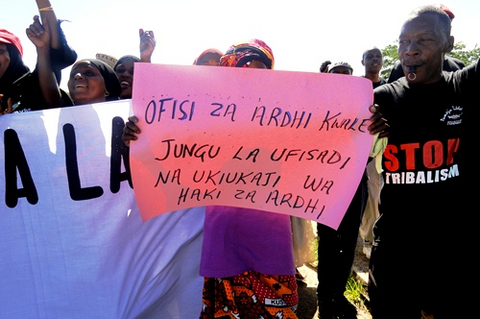
Launched in 2009, The Change Initiative is working to create platforms through which citizens in Kenya can critically examine their role in democratic processes and create platforms for enhanced engagement. The initiative is built on the premise that through self- organising people are and can leverage their own power and set the development agenda. The project shares information and engages in dialogue through online and face to face forums, and implements constitutional reform monitoring activities.
The Change Initiative is designed to harness and support citizen engagement through enhancing people centred democratic governance by:
- amplifying community voices in decision-making;
- re-activating grassroots democratic culture and civic engagement; and
- using new and innovative technology to boost community participation and as a means of promoting awareness for social justice.
The initiative was conceptualised in October 2009 at a two-day conference on Citizenship and Development, hosted under the theme Reflections on Change, convened by Fahamu, the Society for International Development (SID), and other partners in civil society, in collaboration with the Embassy of Sweden. The conference was organised to provide a forum to reflect and clarify the content of the change sought in Kenya, to support on-going policy and political reform processes, and to provide space for change agents to reflect on and audit their experiences to deepen understanding on the circumstances of change.
The discussions that took place during the conference led to the development of a Change Framework [PDF]. This Framework for Change is based on the experiences of Change Conference participants and seeks to guide individuals, organisations, or institutions that aspire to positively change Kenyan society. Using case studies and key concepts, the Framework is intended to engage users by using a number of key questions to examine their progress towards realising the transformation they seek.
One of The Change Initiative's strategies is the Kenya Reforms Monitor (KRM). The KRM tracks the progress and quality of reforms made, as part of Kenya's constitution implementation process, while also facilitating public participation. In particular, the KRM initiative makes available documents and relevant information related to the implementation process i.e. proposed bills and Acts of parliament and critical analysis, with the goal of raising awareness. The Kenya Reforms Monitor is also designed to facilitate public participation and discourse on the legislative and policy steps made in the implementation process, and provide a platform to advocate for citizen driven legislative and policy changes or alternatives to parliament in the implementation process.
Hosted by Fahamu, The Change Initiative website shares blogs, videos, and publications intended to facilitate discussions and information sharing to contribute towards shaping the change agenda in Kenya.
Citizen Engagement
Fahamu is a pan-African organisation supporting and working collaboratively with social movements over the long term. Rather than imposing generic solutions to address the needs of and to strengthen movements, Fahamu is committed to ensuring that interventions are relevant, timely, and significant to the movements with which they work. Fahamu seeks to provide diverse and innovative approaches, tactics, and resources to social movements.
Fahamu website and The Change Initiative website on December 13 2012.
- Log in to post comments