










































Behaviour and Communication Change in Reducing HIV
Health and Population Evaluation Unit and Cambridge University Health, Cambridge University, UK
In 2003, the South Africa-based Centre for Aids Development, Research and Evaluation (CADRE) implemented the Communicating AIDS Needs (CAN) project, with first-phase funding from DFID, Johns Hopkins University, and USAID. The project, which draws on quantitative and qualitative research approaches, focuses on community-based experiences of HIV/AIDS within selected communities in South Africa. Calls made to the national tollfree AIDS Helpline are analysed to provide an understanding of HIV/AIDS impacts and communication needs. Comparative research is also conducted in relation to HIV/AIDS in other African countries. The purpose of CAN is to understand needs and gaps in communication in relation to HIV/AIDS and to draw together lessons learned in African contexts, with a particular focus on individual and community level responses to the epidemic.
An excerpt from the report follows:
"The clearest example of declines in HIV prevalence and changes in sexual behaviour comes from Uganda. Are there lessons to learn for other countries or is Uganda unique? In this paper, we assess the epidemiological and behavioural data on Uganda comparatively to other African countries, and then analyse data from other populations where HIV has declined. In Uganda, HIV prevalence declined from 21% to 9.8% from 1991-98, there was a reduction in non-regular sexual partners by 65%, and greater levels of communication about AIDS and people with AIDS through social networks, unlike the comparison countries.
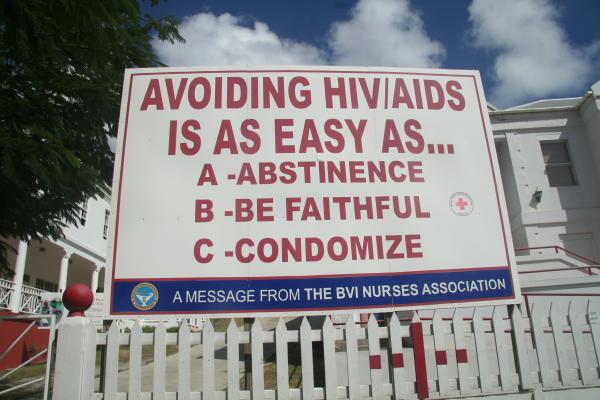
There is evidence of a basic population level response initiated at community level, to avoid risk, reduce risk behaviours and care for people with AIDS. The basic elements - a continuum of communication, behaviour change and care - were integrated at community level. They were also strongly supported by distinctive Ugandan policies from the 1980s. We identify a similar, early behaviour and communication response in other situations where HIV has declined: Thailand, Zambia and the US Gay community. In Thailand, visits to sex workers decreased by 55% and non-regular partners declined from 28% to 15% (1990-93): as important as the '100% condom use policy'.
Similarly, in Zambia and Ethiopia risk behaviour has decreased, and analysis of sexually transmitted disease(STD) rates among Gay populations in USA shows declines as early as 1985 in white Gay populations, with later declines in Hispanic and Black Gay populations. These responses preceded and exceeded HIV prevention. However, where they were built on by distinctive HIV policies, HIV prevention has been scaled and led tonational level declines in HIV. It is not easy to transfer the lessons of these successes. They require real social and political in addition to financial capital.
Nevertheless, similar characteristics are present in community responses in Africa, Asia and USA, and even in fragmented signs of HIV declines in other African cities. Only ina few situations has this behaviour and communication process been recognized, mobilised and built on by HIV prevention policy. Where this has occurred, HIV prevention success has been greater than biomedical approaches or methods introduced from outside. It represents a social vaccine for HIV from Africa, and available now."
- Log in to post comments