










































Assessing the State of Sexual and Reproductive Health Rights Among Women Living with HIV and AIDS in Blantyre and Nkhotakota Districts
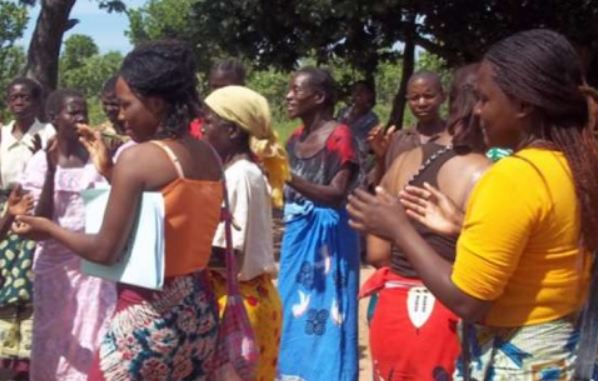
This 57-page report presents findings from a survey conducted in Malawi to understand the experiences of women living with HIV/AIDS (WLHIV) in relation to their sexual and reproductive health and rights (SRHR). According to the report, WLHIV in Malawi face immense barriers to asserting their SRHR needs and aspirations. This baseline report was intended to inform the We Have Rights Too! Project, a collaboration between World University Service of Canada, the Coalition of Women Living with HIV and AIDS, and Women for Fair Development. Overall it was found that SRHR violations, stigma, and discrimination continue at high levels.
The following are excerpts from the report on some of the findings:
- Overall, respondents demonstrated an awareness of their rights as WLHIV. When women were asked if they knew about their SRHR, 84.8% of respondents stated they were aware of those rights. On average, respondents from Blantyre knew seven of the nine rights they were examined on. For those from Nkhotakota, the average was only slightly lower at six out of the nine rights. The right of WLHIV to access loans, to education, to be pregnant or not, to human dignity, and to subsidised farm inputs were least known by respondents.
- Overall, 36.4% of respondents in Blantyre and 42.1% in Nkhotakota reported having faced at least one or more SRHR violations. In both districts, respondents most frequently reported incidents of helath care workers (HCW) violating their SRHR. Nearly a third of respondents reported at least one incident in which they faced verbal abuse, received substandard care, were refused medication or denied access to health services. Nurses were the highest perpetrators of violations in Blantyre and were implicated in 44.6% of the reported violations. In Nkhotakota, clinical officers contributed to the most violations faced by respondents at 48.5% of HCW cases. In both Blantyre and Nkhotakota, being left unattended or verbally abused in the midst of delivery was reported by 20 women.
- Violations inflicted by intimate partners were the second most common issue and reported by 16.7% of respondents. Respondents remain unable to negotiate the terms of sexual relationships and are being denied the right to safe sex and the right to control when and whether to be pregnant. The idea of sex with a condom as not being "sweet", among men, was a view that was found repeatedly in both districts. Other issues raised included women being forced to conceive or denied pregnancy, failure of husband to disclose status or refusal to be tested, as well as husbands denying the woman access to treatment, testing, and support groups.
- SRHR violations by community members were experienced by 4.2% respondents. The biggest issue lay in respondents being insulted or laughed at by those in the community surrounding their decisions to get married or to continue bearing children.
- Similar to issues being faced by respondents due to violations by community members, respondents were being insulted or laughed at by their relatives over their decisions to get married or due to their pregnancy status. Other reported incidents include a case of incest in Nkhotakota where a father forced sex on his own daughter and a case of a woman being beaten by a relative for taking ARVs.
The study found that 49.2% of women stated they would not know where to go if they faced a SRHR violation. Among those who did face an SRHR violation, only a third of them sought redress. Within this figure, the proportion of individuals seeking redress following a violation by health care workers was even less. Out of the 124 individuals who faced a violation at a health facility, only 7.3% sought redress. For those who faced with stigma and discrimination, less than a quarter sought redress. Levels of satisfaction expressed by respondents who had sought redress were also extremely low. For those who went for assistance for a SRHR violation, 72.1% claimed they were not satisfied with the response they were met with. In the cases where redress was being sought for an act of discrimination, 47.7% were not satisfied with the redress that was provided.
According to the report, based on findings derived from this baseline study, it is apparent that the We Have Rights Too! Project must address issues at multiple levels of society in order to fully support and protect the SRHR of WLHIV. The following are some of the recommendations excerpted from the report:
- Trainings and counselling provided through the We Have Rights Too! Project should deliver information on how to access relevant organisations and legal networks in the community. Yet given the weak system of redress that was evidenced, WLHIV should be trained in political advocacy to be able to enact changes in policy and programmes available to them at the community and district level. This could potentially be achieved through building the capacity of WLHIV to engage in and initiate public debates, district and community campaigns, meetings, and participatory radio campaigns (PRCs).
- The SRHR promoters should be trained to provide counselling, referrals, and follow-ups to WLHIV in the community. In addition, these community SRHR promoters should be intensively trained to advocate for: changes in the health care system to reduce the level of violations WLHIV are facing by HCW; increased legal, economic and social support for WLHIV seeking redress for SRHR violations; and effective implementation of anti-discriminatory laws and policies intended to protect their rights.
- The project will need to collaborate with key health officials in order to begin addressing issues that were reported by women regarding SRHR violations in health facilities. Initially, meetings should be held with the District Health Officers, District HIV and AIDS Coordinator, Sexual and Reproductive Health Coordinators to begin developing a plan to work with HCW in reducing barriers to access, overcoming resource limitations and knowledge gaps in the delivery of adequate and appropriate SRH advice and services for WLHIV.
- The project will need to work with traditional leaders in order to address issues in which WLHIV are being denied access to subsidised farm inputs, food-for-work, cash-for work, and loan programmes as well as being subjected to cultural violations. In Nkhotakota, a special effort to collaborate with religious leaders is warranted given the identification of their role in denying women access to ARVs, family planning methods, and HIV testing. Sensitisation meetings may serve as a starting point to addressing these issues.
- Rather than duplicating the activities of organisations already in place, the We Have Rights Too! Project should work with them to strengthen their activities in the project’s target areas, build referral networks between the organisations and WLHIV and educate women on how to access these institutions once we have successfully worked to strengthen them.
The report concludes that currently WLHIV face multiple levels of discrimination as HIV/AIDS-related stigma and discrimination compounds with pre-existing forms, including those based on gender, class, and ethnicity. This serves to further perpetuate their socioeconomic disadvantages. It is essential that the We Have Rights Too! Project works towards leading a concerted effort in ensuring WLHIV will be able to realise their SRH needs and aspirations in a manner that is free from coercion, discrimination, and violence. To achieve this goal, this project must commit to tackling the range of factors driving the persistence of SRHR violations and galvanise the political will needed to make certain SRHR of WLHIV becomes a focal concern among community members, traditional and community leaders, health care workers, police, and health and government officials.
Women for Fair Development website on March 20 2014.
- Log in to post comments