










































Addressing Low Uptake of Antiretroviral Drugs for Prevention of Mother-to-child Transmission of HIV in Sub-Saharan Africa
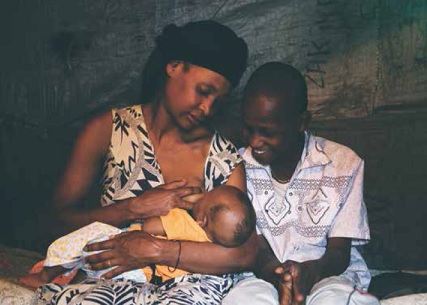
This 8-page brief discusses low uptake of prevention of mother-to-child transmission (PMTCT) of HIV treatments in sub-Saharan Africa. PMTCT was first introduced ten years ago and is widely recognised as a key strategy for preventing HIV transmission from mother to child, yet the numbers of women and infants using these lifesaving treatments within the context of PMTCT programmes is far below desired levels. The brief highlights key reasons for this poor access to, and low uptake and use of, anti-retroviral (ARV) drugs for PMTCT, and makes recommendations for how these challenges can be overcome. In conclusion, "basic health systems issues of staffing and service accessibility, together with community-level factors such as stigma and fear of disclosure to partners and others, emerged consistently over time and across different settings in sub-Saharan Africa."
Based on an analysis of 44 studies conducted in sub-Saharan Africa (Cameroon, Côte d’Ivoire, Ethiopia, Kenya, Lesotho, Malawi, Rwanda, South Africa, Tanzania, Uganda, Zambia, Zimbabwe) between 2000 and 2012, the brief states that factors impeding or facilitating the uptake of ARV drugs for
PMTCT exist at a number of levels: individual, family and community, and health.
At the individual level
Mothers who are living with HIV may respond to a diagnosis with shock, denial, depression, or fear of side effects and a lifelong commitment to treatment. All of these psychological factors can hinder treatment seeking behaviour. As well, lack of knowledge about HIV transmission and ART, as well as lack of confidence, or even distrust of the treatment, can hinder willingness to take up PMTCT. The brief recommends awareness raising and enhanced counselling with messages that include reassurance that ARV drugs will not harm the baby, and simple explanations of how the drugs work to reduce transmission of the virus, as well as reinforcing the importance of continuing to take medication even if physical symptoms decrease. Careful distribution of any printed educational information is needed to ensure confidentiality is not breached. Support should be tailored to young mothers, and could include community support and communication (i.e. peer-to-peer support from mothers living with HIV and networks) and mobile phone reminders.
Family and community-level
Fear related to stigma and disclosure to partners and family members still continues to be a key factor deterring mothers from seeking or continuing treatment. Many women anticipated or experienced negative reactions from partners, including violence and separation after sharing their HIV test results. However, some mothers did receive support from partners and others. Partner support was an important positive factor in improving uptake of PMTCT. The report states that cultural traditions such as preferences for traditional healers and traditional birth attendants, especially among elders, were also common community-level factors limiting attendance at modern facilities and use of ARV drugs. In response, the brief suggests that there is a need for participatory education and community engagement and involvement to strengthen support systems and reduce stigma. This includes addressing preferences for traditional healers and birth attendants by promoting antenatal care and institutional and assisted delivery. There is also a need for family centered approaches that include encouraging couples HIV testing and counselling and male involvement (i.e. through education, male-friendly clinic environments, and invitation letters to male partners).
Basic health systems issues
For some mothers systems issues deterred them from accessing treatment. For example the distance to health clinics and associated travel costs, and as well as staffing and resource issues. Staffing issues included a shortage of trained health care providers and poor behaviour among staff, including scolding or discriminating against HIV-positive clients. Delayed first antenatal care (ANC) attendance affects timely access to ARV drugs during pregnancy. Poor referral links and tracking systems hampered linkage between antenatal and ART services, while better integration of these services was generally found to improve linkage. To address some of these issues, the brief recommends improving integration of ANC and HIV treatment and care clinics, as well as improving interactions between mothers and providers through training and supervision.
International HIV/AIDS Alliance website on May 4 2014.
- Log in to post comments